Start with the action, not the container
A drawer can look beautifully arranged and still be inconvenient. If you have to move three things to reach the tape you use every afternoon, its assigned spot is working against you. Good storage begins with a simple question: when and where do you use this item? The answer matters more than matching baskets or perfectly filled shelves.
Choose one area, such as a desk, entryway or kitchen counter. Notice what you reach for during an ordinary week and what gets left out after use. Those items offer clues. Something left on the table may need a closer home, while an untouched object occupying prime drawer space may belong somewhere less accessible. You do not need to count every use; broad patterns are enough to guide a first pass.
Give daily items the easiest spots
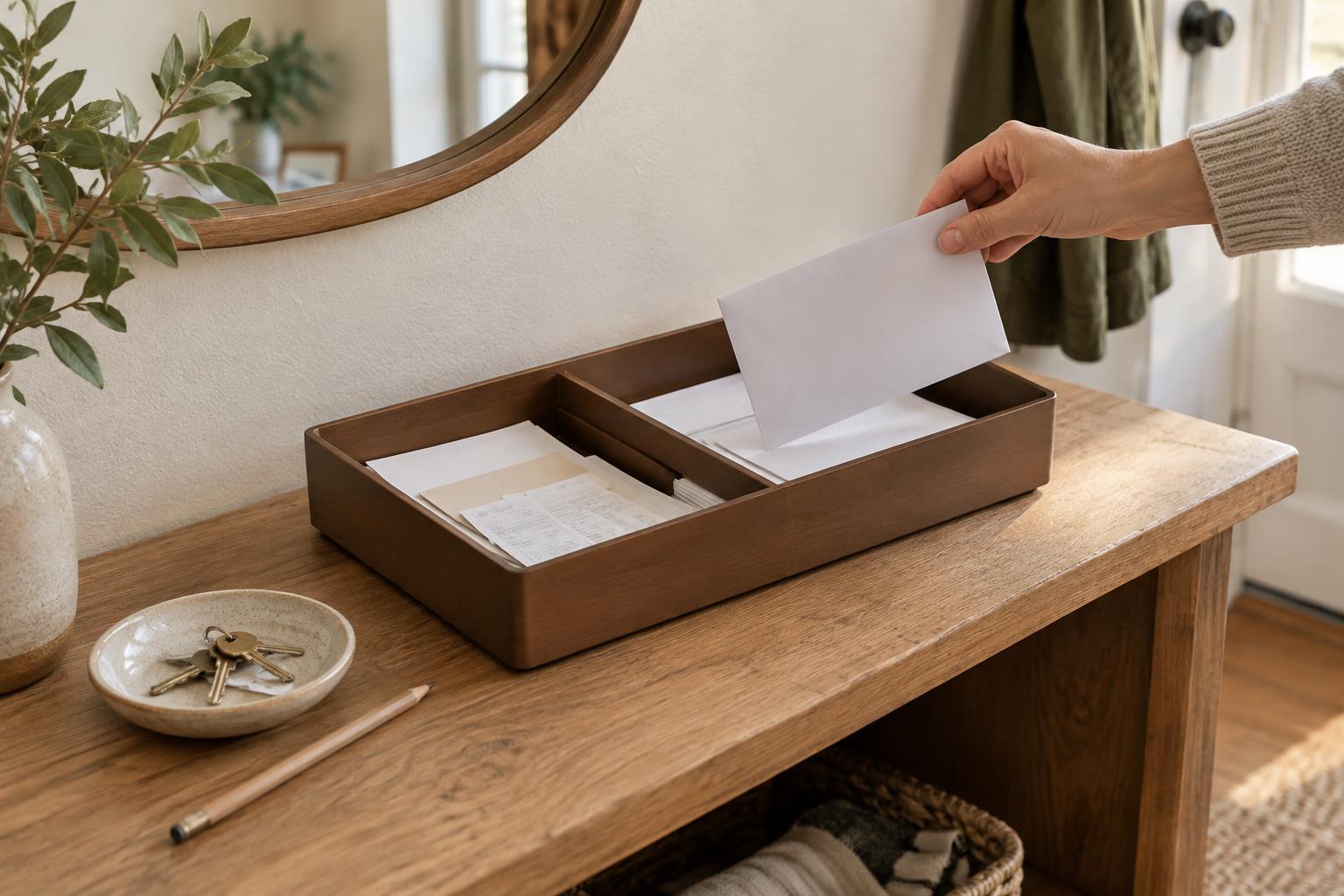
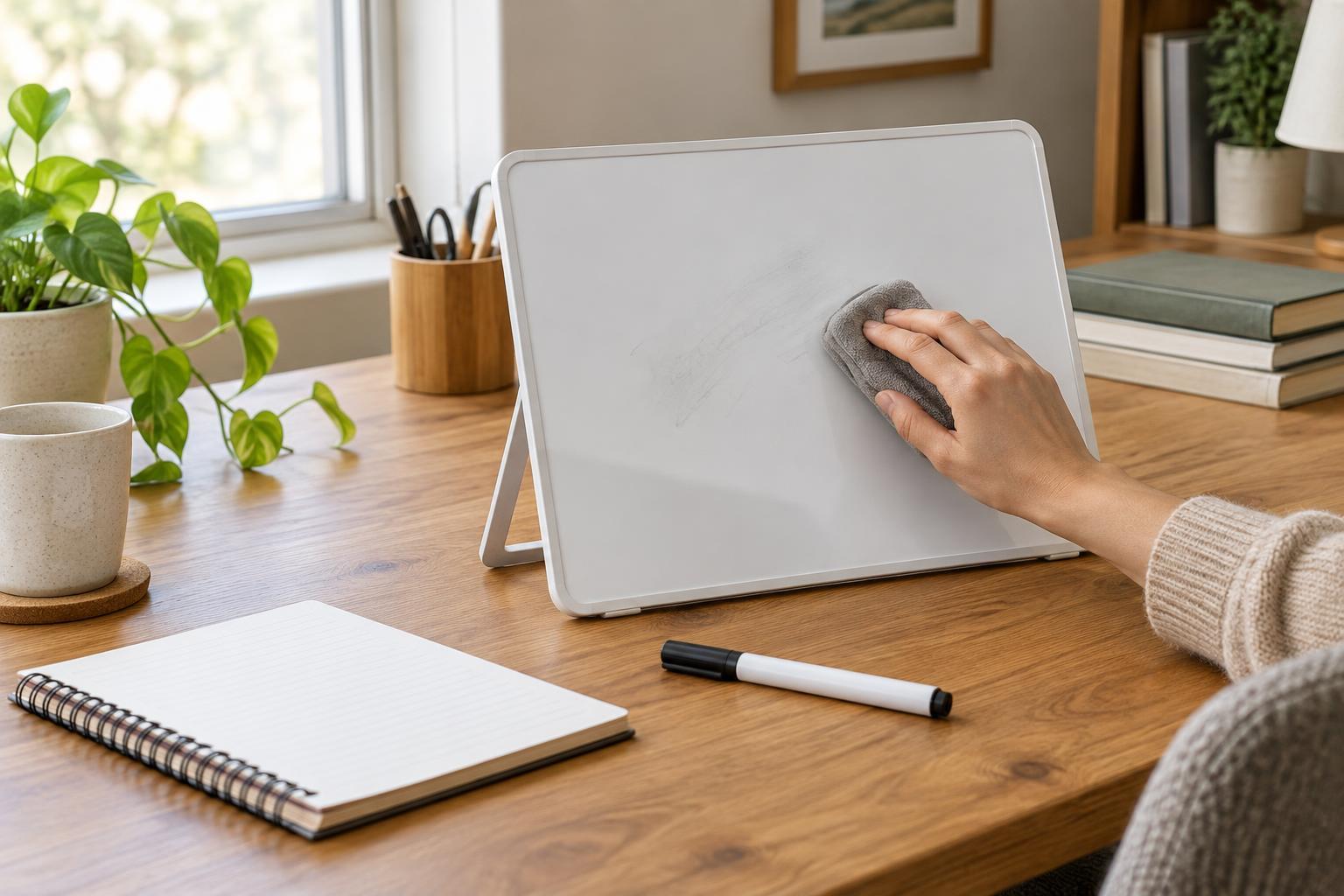
Items used every day deserve the shortest, simplest route from storage to use. Keep them near the activity they support, at a comfortable height, with nothing that must be lifted away first. Keys might go in a shallow tray by the door. A frequently used mug might sit on an open shelf near the kettle. Pens used at a desk belong within reach rather than in a cupboard across the room.
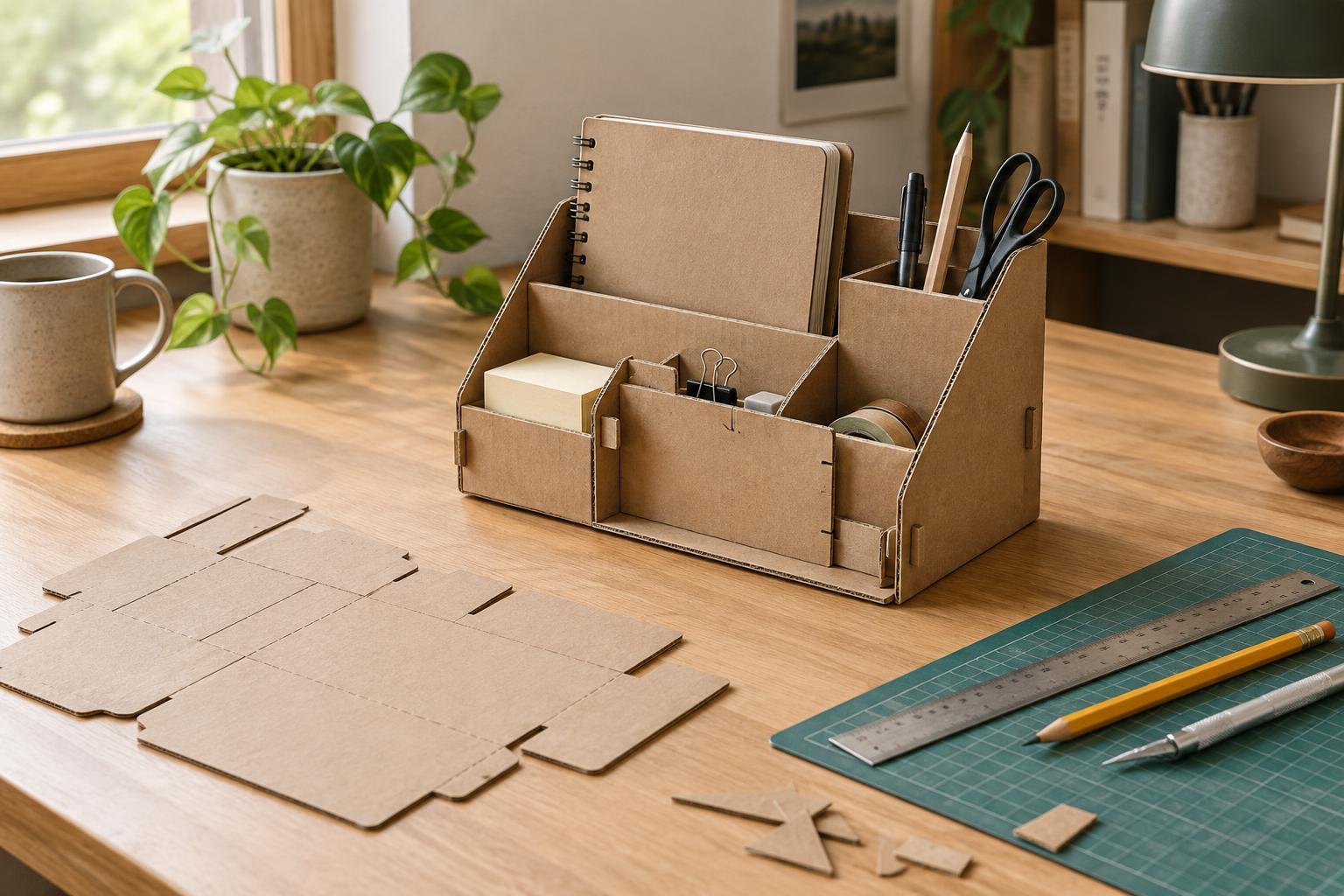
Ease of putting an item away matters just as much as ease of taking it out. A lid, a tightly packed drawer or a container nested inside another container adds a small obstacle each time. For daily supplies, an open bin, hook, tray or lightly filled drawer may be more useful. Leave enough free space that returning an item does not require careful rearranging.
The most convenient spot is not necessarily on display. If a clear counter helps you work, use the nearest drawer or cabinet instead. The goal is low effort, not maximum visibility.
Put occasional items nearby, but not in the way
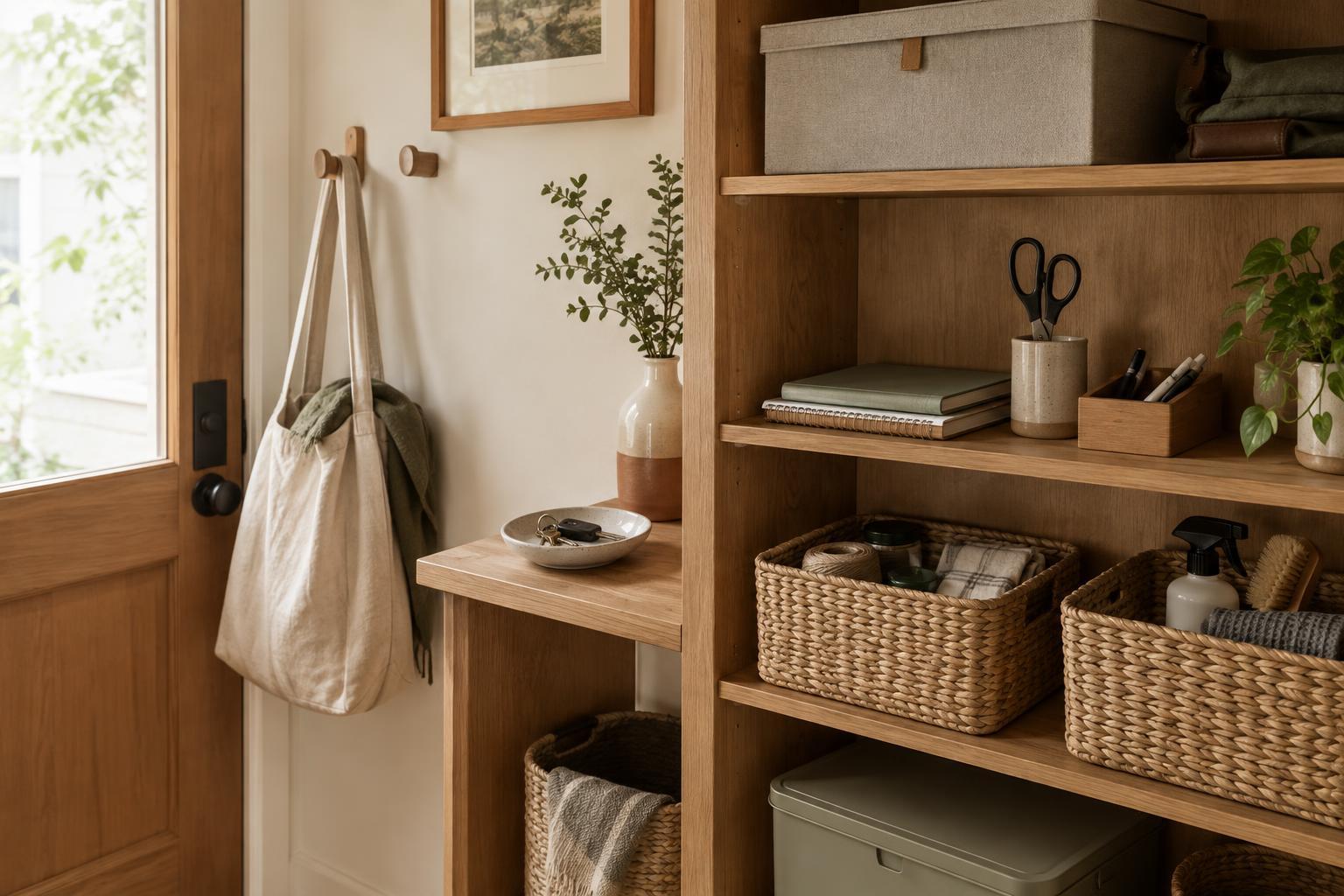
Some things are useful every few weeks or for a particular task: spare batteries, a sewing kit, serving dishes or basic repair supplies. They should be easy to find without occupying the space reserved for daily essentials. A labeled box on a reachable shelf or a designated section of a cabinet often works well. Group items by the job they help you do, so you can retrieve the whole kit when needed.
Consider how awkward an item is to move. A heavy mixer used occasionally may still need a low shelf, while lightweight gift wrap can go higher. Frequency is a starting point, not the only rule. Size, weight, fragility and who needs access should shape the final location. Store sharp or hazardous items appropriately rather than putting them in an easy-to-reach spot solely because they are used often.
Move rare-use items out of prime space
Holiday decorations, extra linens and supplies for infrequent projects usually do not need to be at eye level or within arm’s reach. Higher shelves, the back of a closet and less convenient cabinets are reasonable places for them, provided you can retrieve them safely. Keep related pieces together and label closed containers clearly enough that you can identify their contents without opening each one.
Before storing a rarely used item, ask whether you expect to use it again and whether it is worth the space it takes up. You do not have to discard something just because it is seldom used. A specialized tool or a meaningful keepsake can earn its place. The question is whether it should displace something you need every morning.
Test the arrangement in everyday life
Once you assign spots, live with them for a while before buying organizers or making permanent changes. If an item repeatedly lands somewhere other than its assigned home, investigate why. Perhaps the spot is too far away, too full or shared with things that make it hard to access. Sometimes the place where an object naturally lands is a useful suggestion for its new home.
In shared spaces, make the system understandable to everyone who uses it. A clear label can help, but an obvious location is even better. Revisit the arrangement when routines change: a hobby becomes more frequent, a child can reach a new shelf or a work area moves. Storage works best as an adjustable map of daily life, not a set of rules to maintain for its own sake.