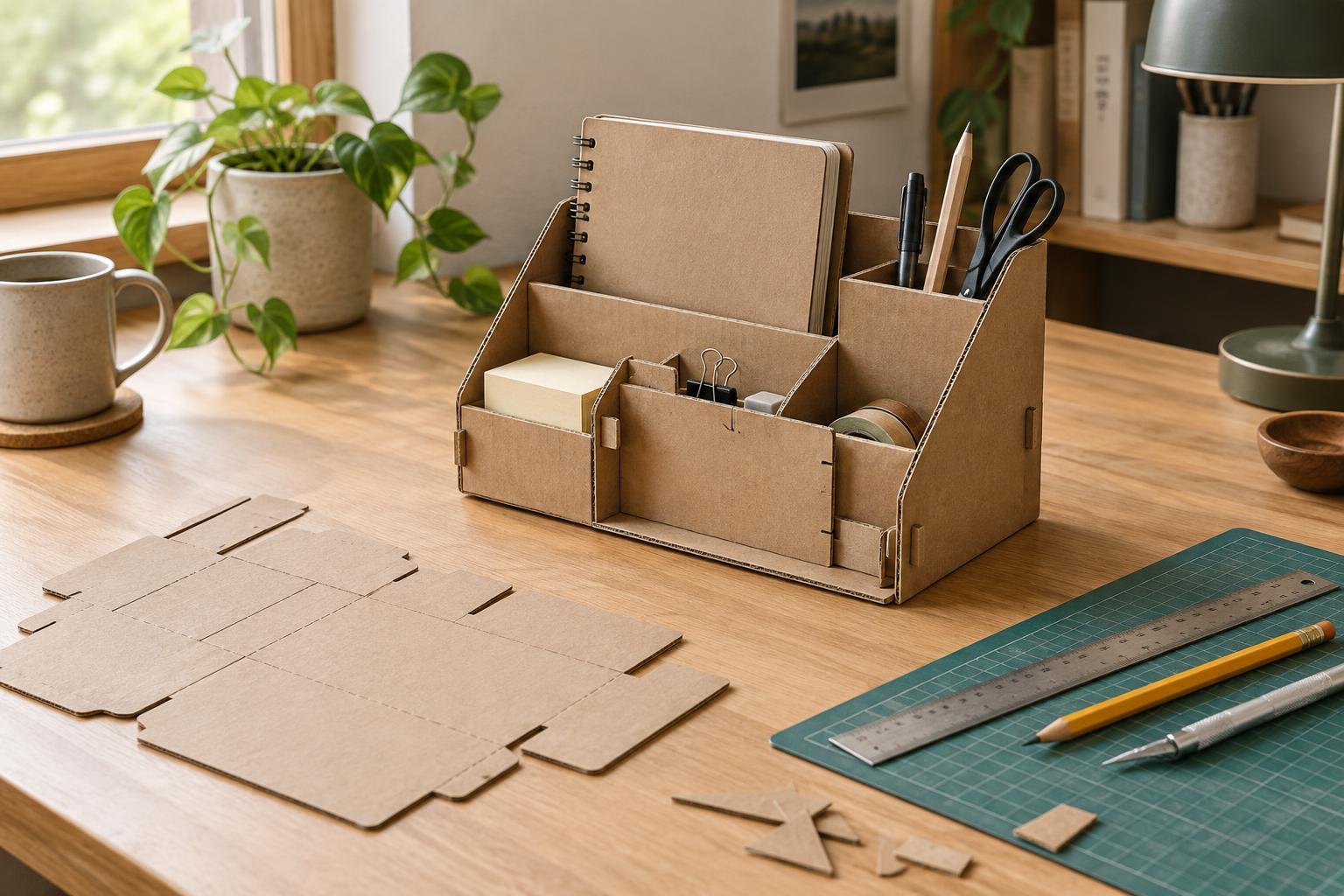
Materials and MakingCardboard can help you test the size, shape, and everyday use of an object before you commit to a final material. Learn how to choose a suitable sheet, make clean folds, assemble a quick model, and decide what to change.
Read article · 4 min↗
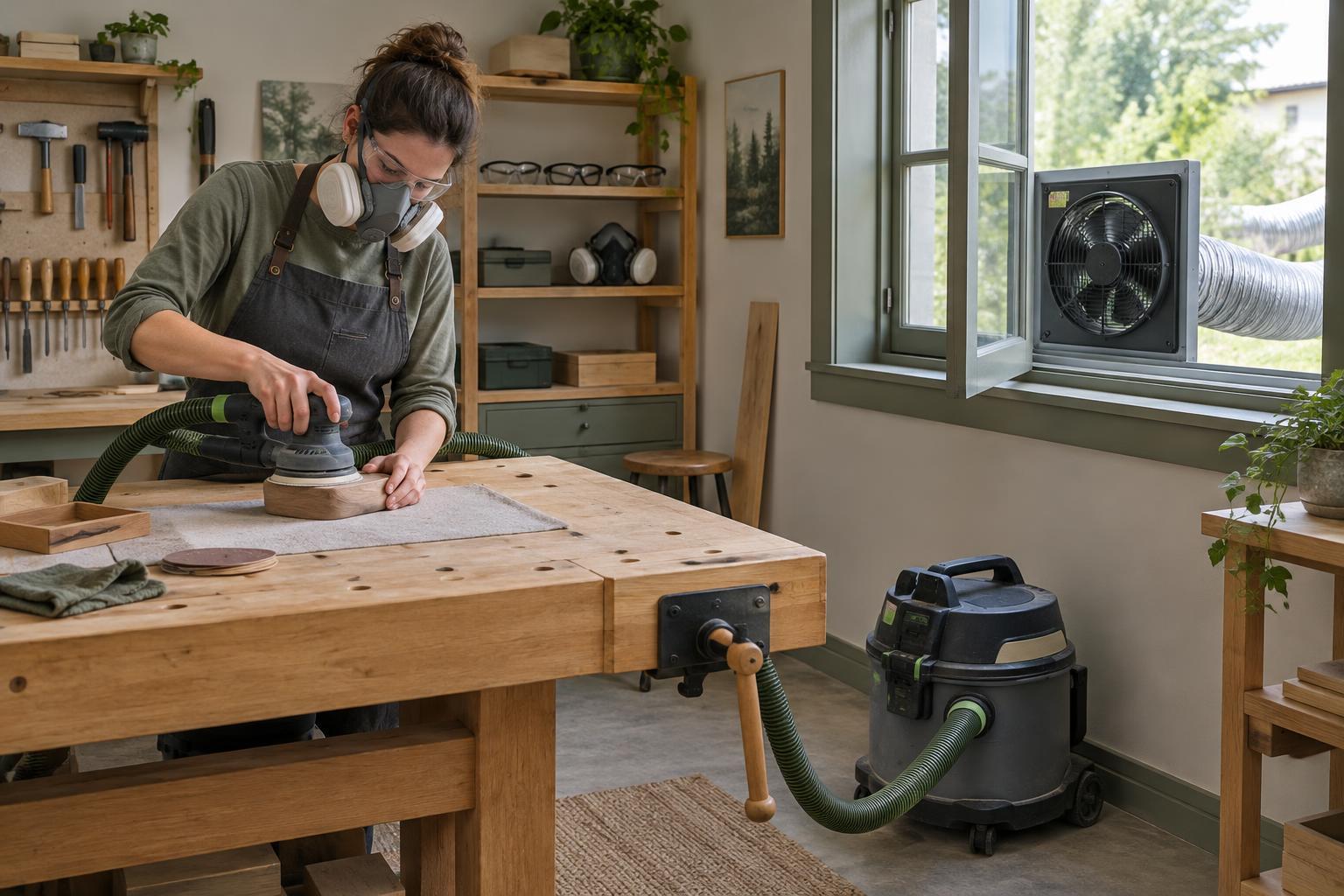
Materials and MakingA useful making space needs more than room for tools. Learn how to identify airborne hazards, control dust at the source, plan airflow, and decide when a project needs a different location or process.
Read article · 4 min↗
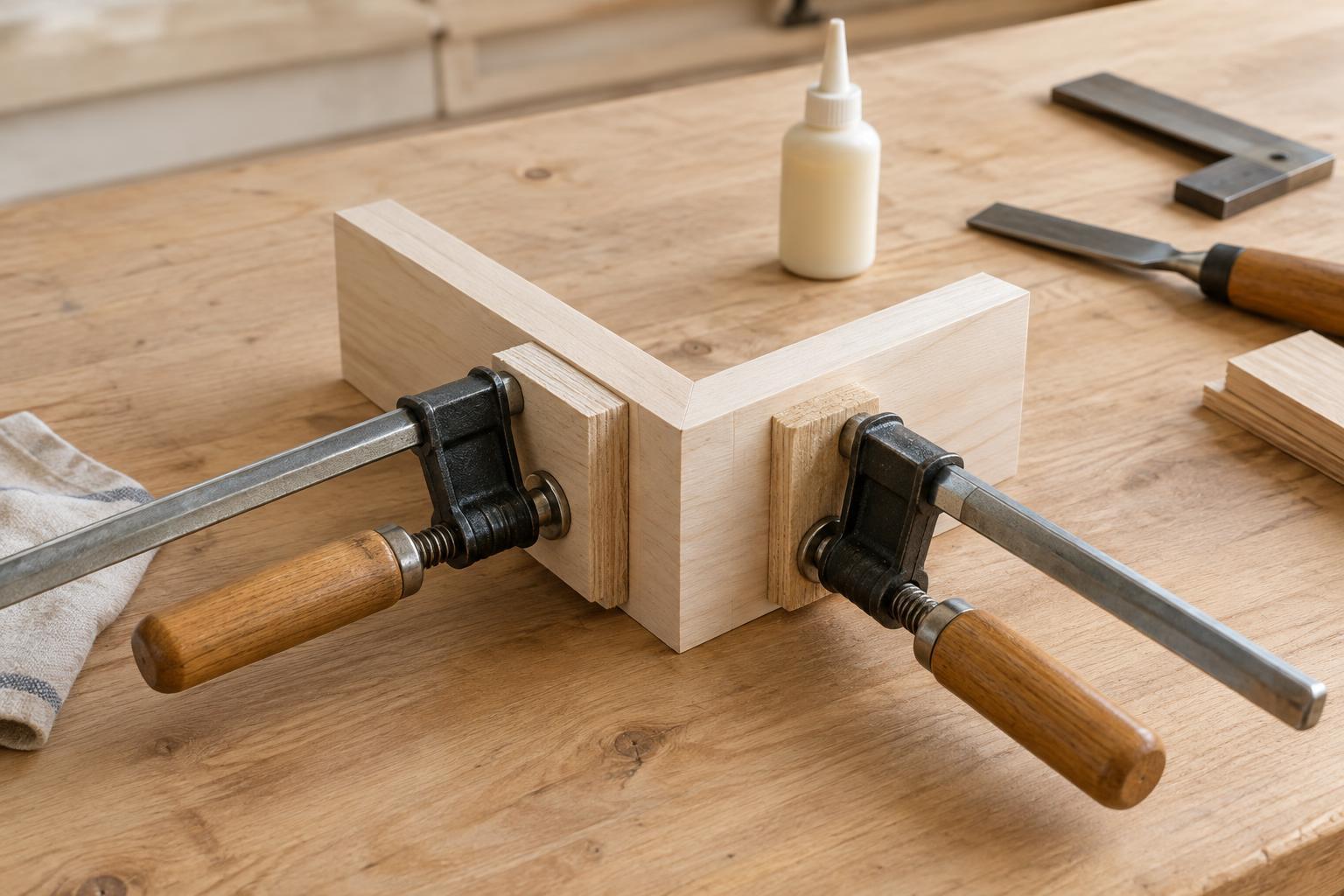
Materials and MakingA small assembly rarely needs a wall of clamps. Learn how to match a clamp to the joint, place pressure where it matters, protect delicate surfaces, and check alignment before the adhesive sets.
Read article · 4 min↗
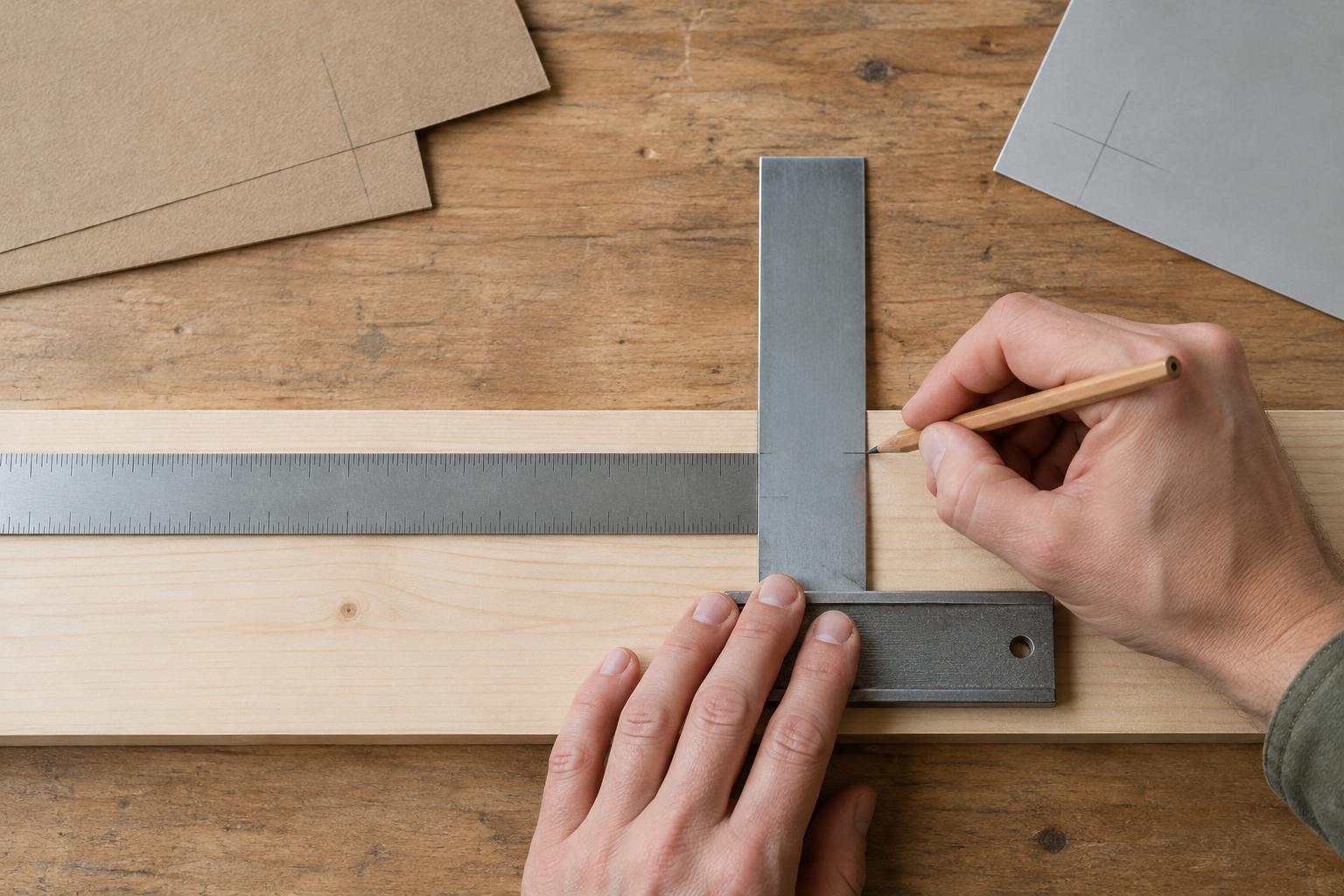
Materials and MakingAccurate making starts before the cut. Learn how to choose a reference edge, read a ruler, draw square lines and check your marks on wood, cardboard and sheet materials.
Read article · 4 min↗
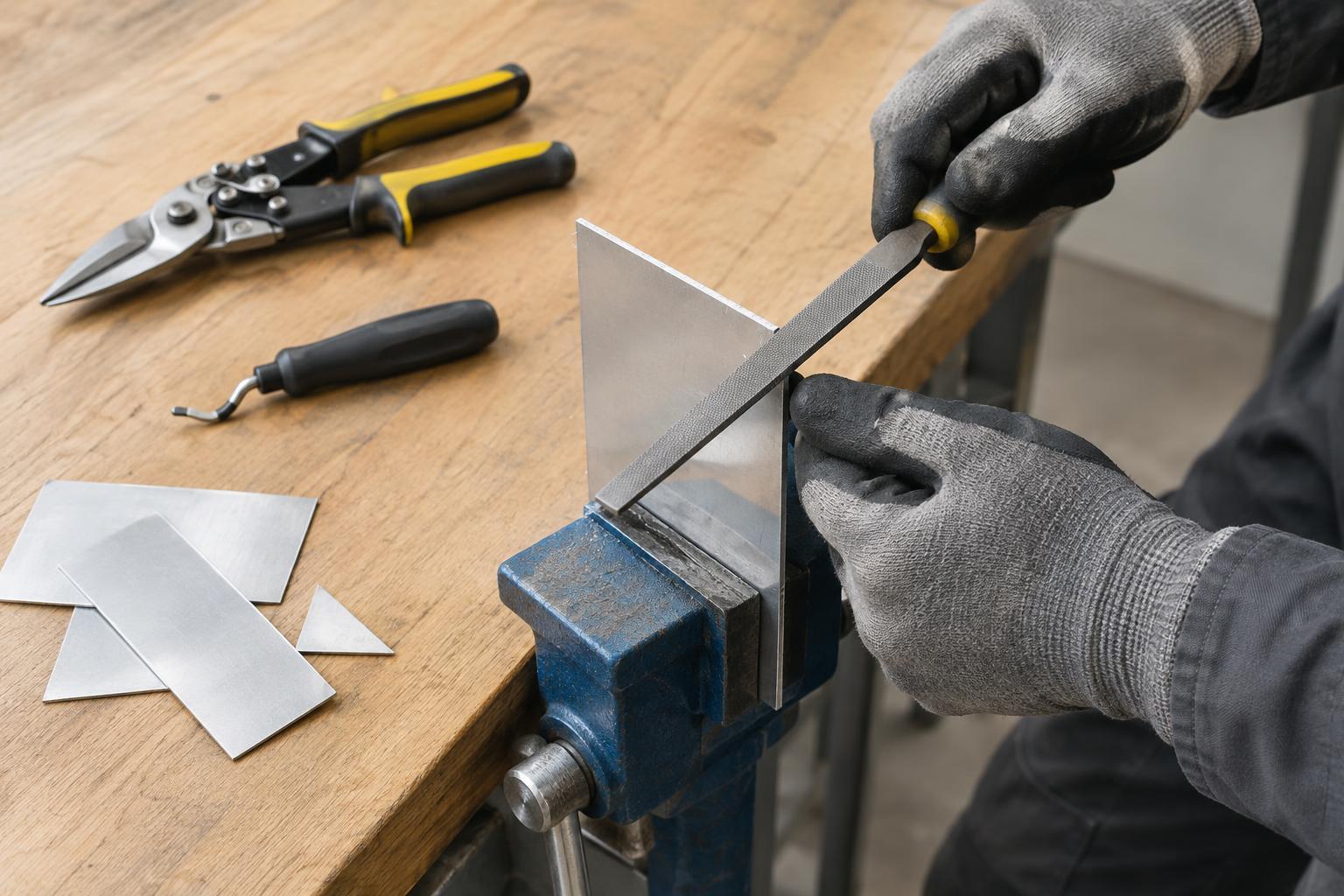
Materials and MakingThin sheet metal is useful for small trays, labels, brackets and repairs, but a freshly cut edge can be surprisingly sharp. Learn how to plan a cut, hold the sheet securely, choose a hand tool and finish the edge so it is more comfortable to handle.
Read article · 4 min↗
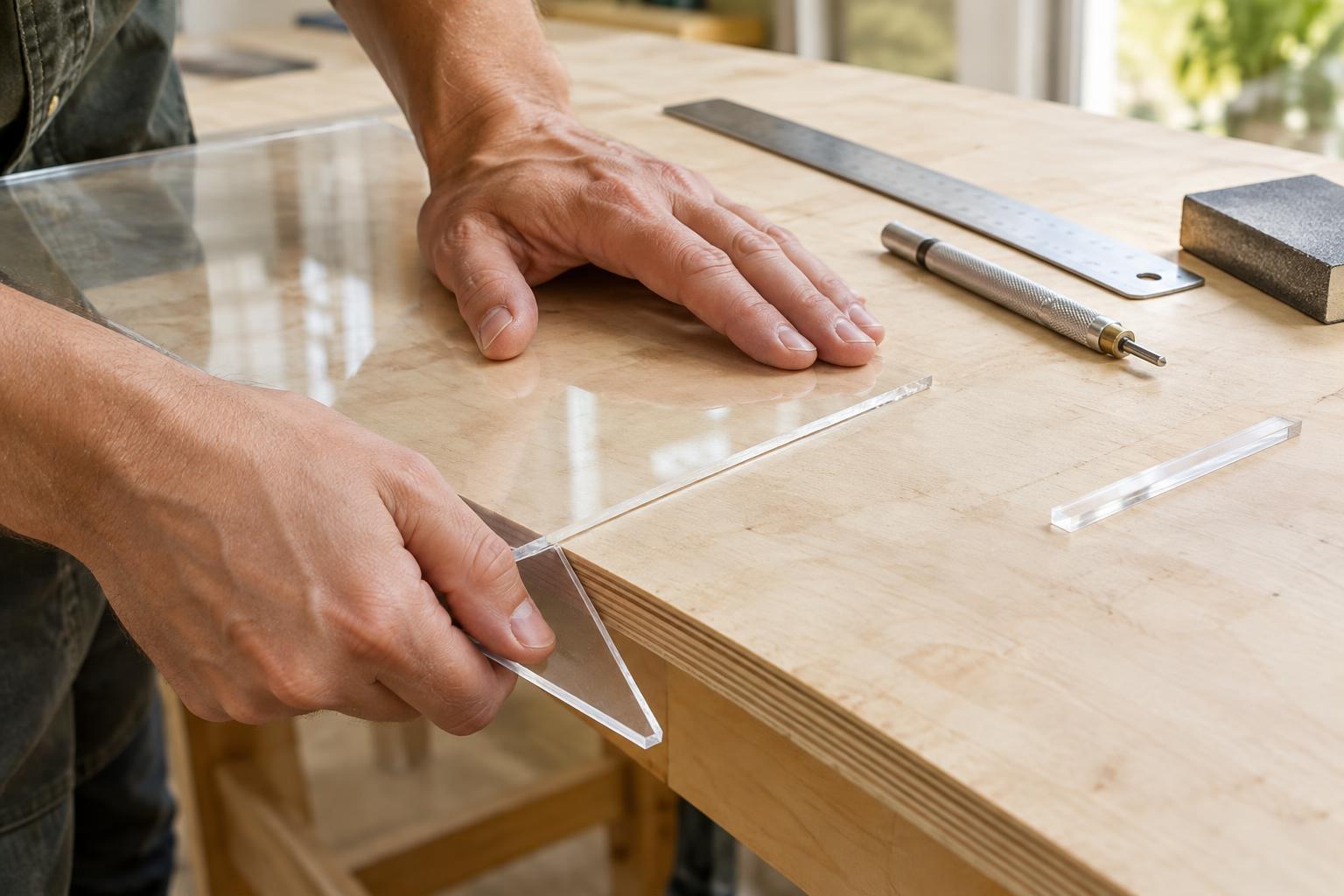
Materials and MakingA straight cut in thin acrylic does not always require a saw. Learn how to set up a stable work surface, make a consistent score, snap the sheet cleanly, and smooth the edge.
Read article · 4 min↗
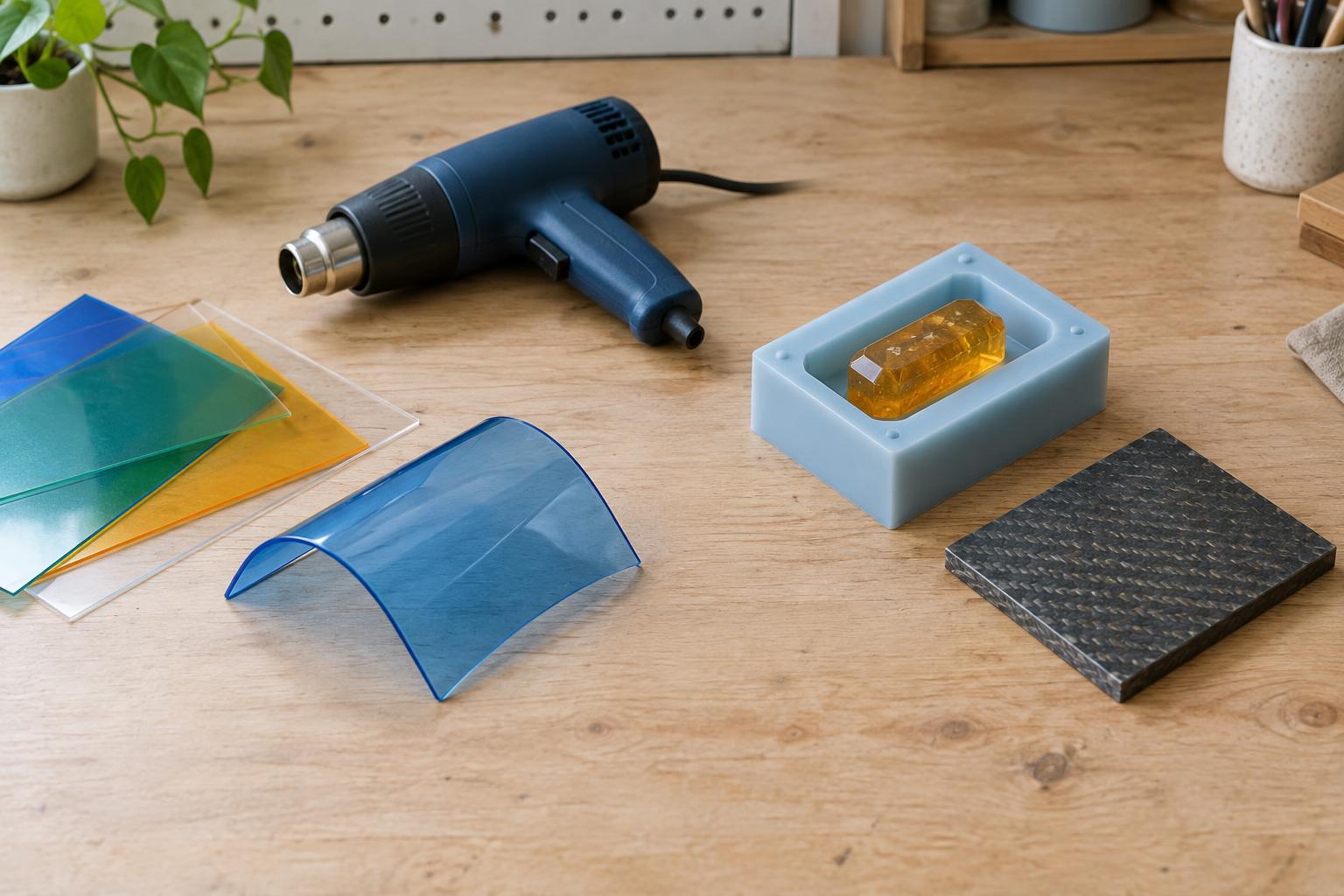
Materials and MakingSome plastics soften when heated; others cure into a shape that will not melt again. Understanding the difference helps makers choose materials, plan repairs and work more safely.
Read article · 4 min↗
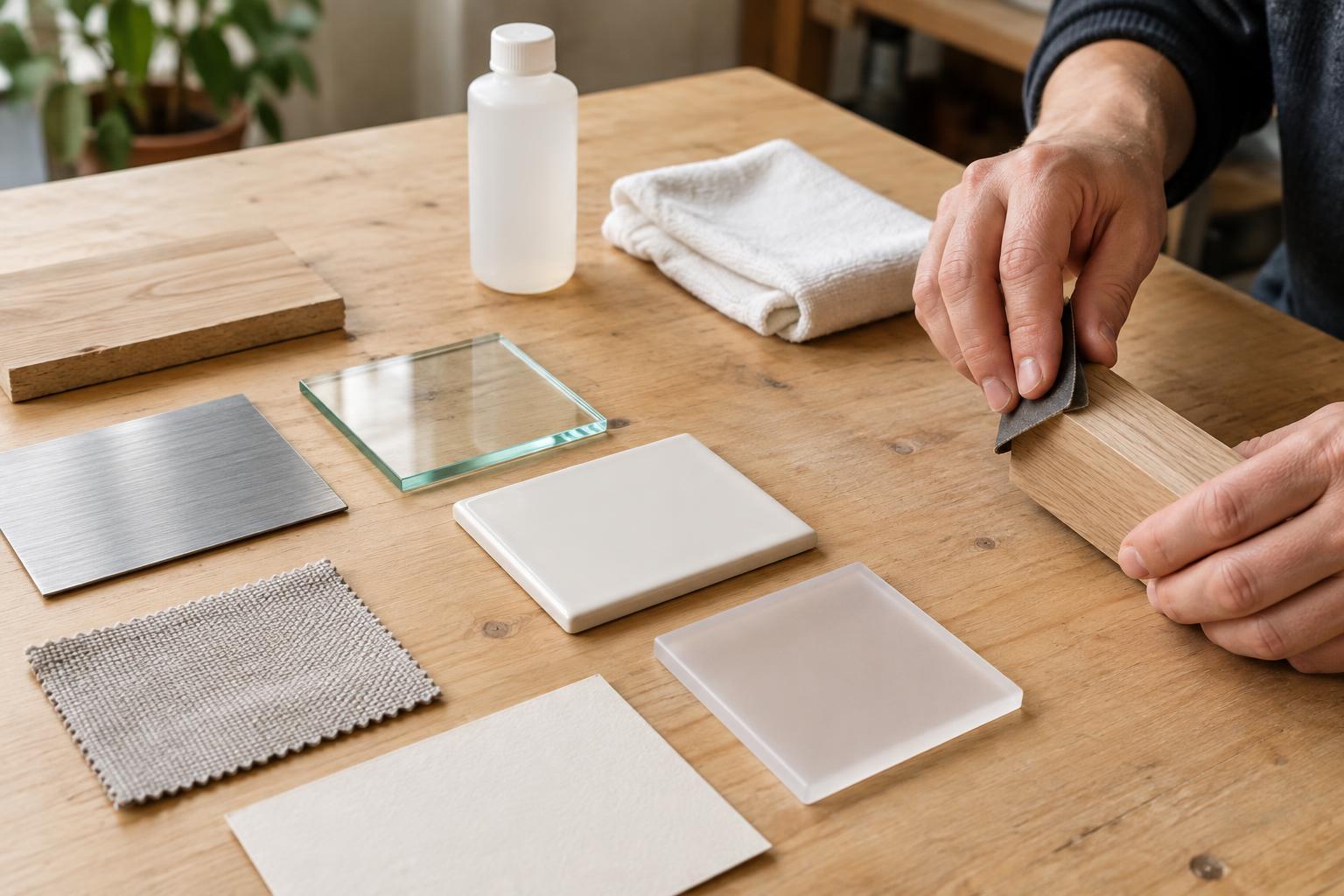
Materials and MakingA strong glue joint starts before the glue comes out. Learn how to clean, dry, roughen and test wood, metal, glass, plastic, fabric and paper so a small making project has a better chance of holding together.
Read article · 5 min↗
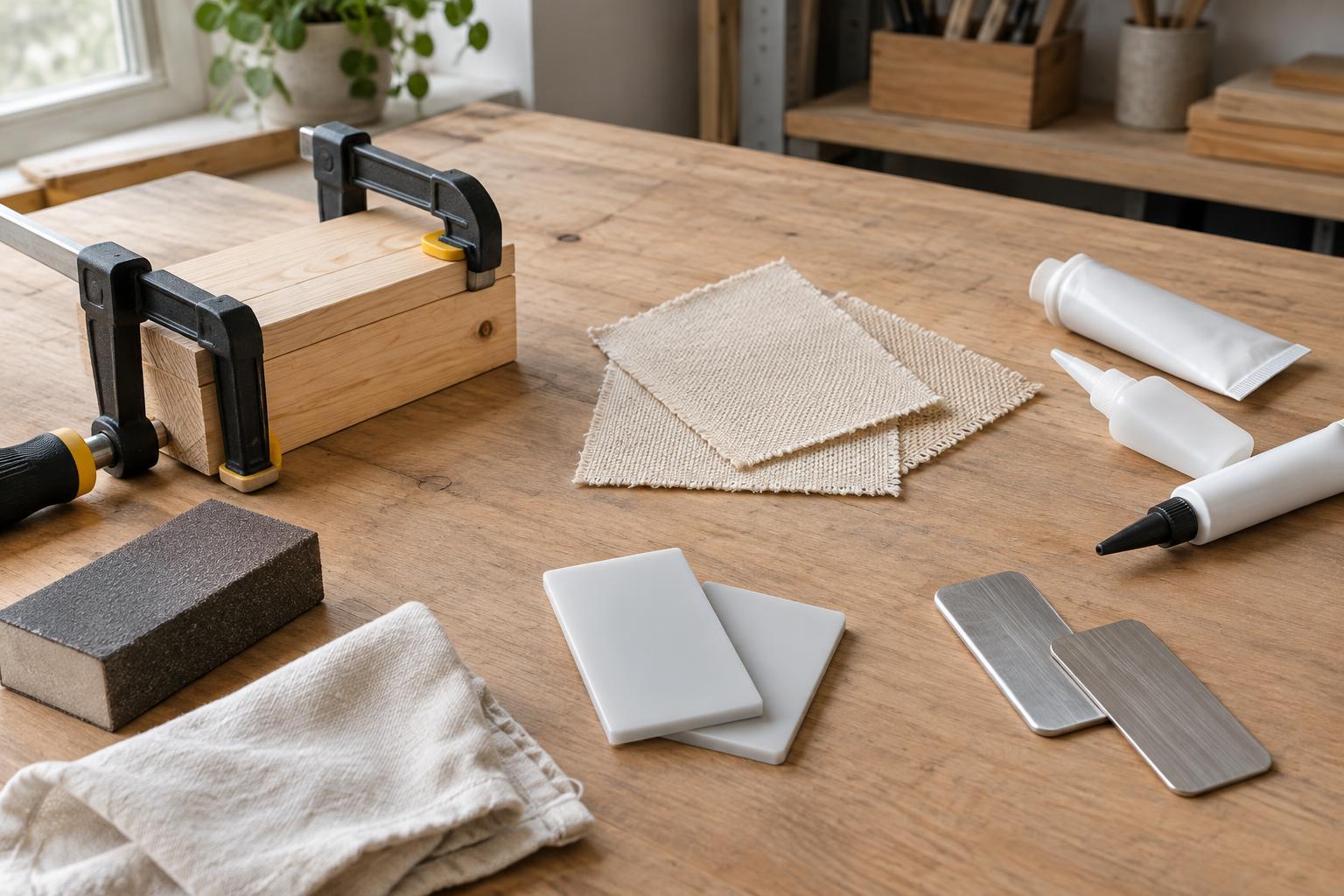
Materials and MakingA useful adhesive choice starts with the materials, but it does not end there. Learn how flexibility, surface preparation, moisture, and curing time affect a bond—and when a different way of joining parts makes more sense.
Read article · 4 min↗
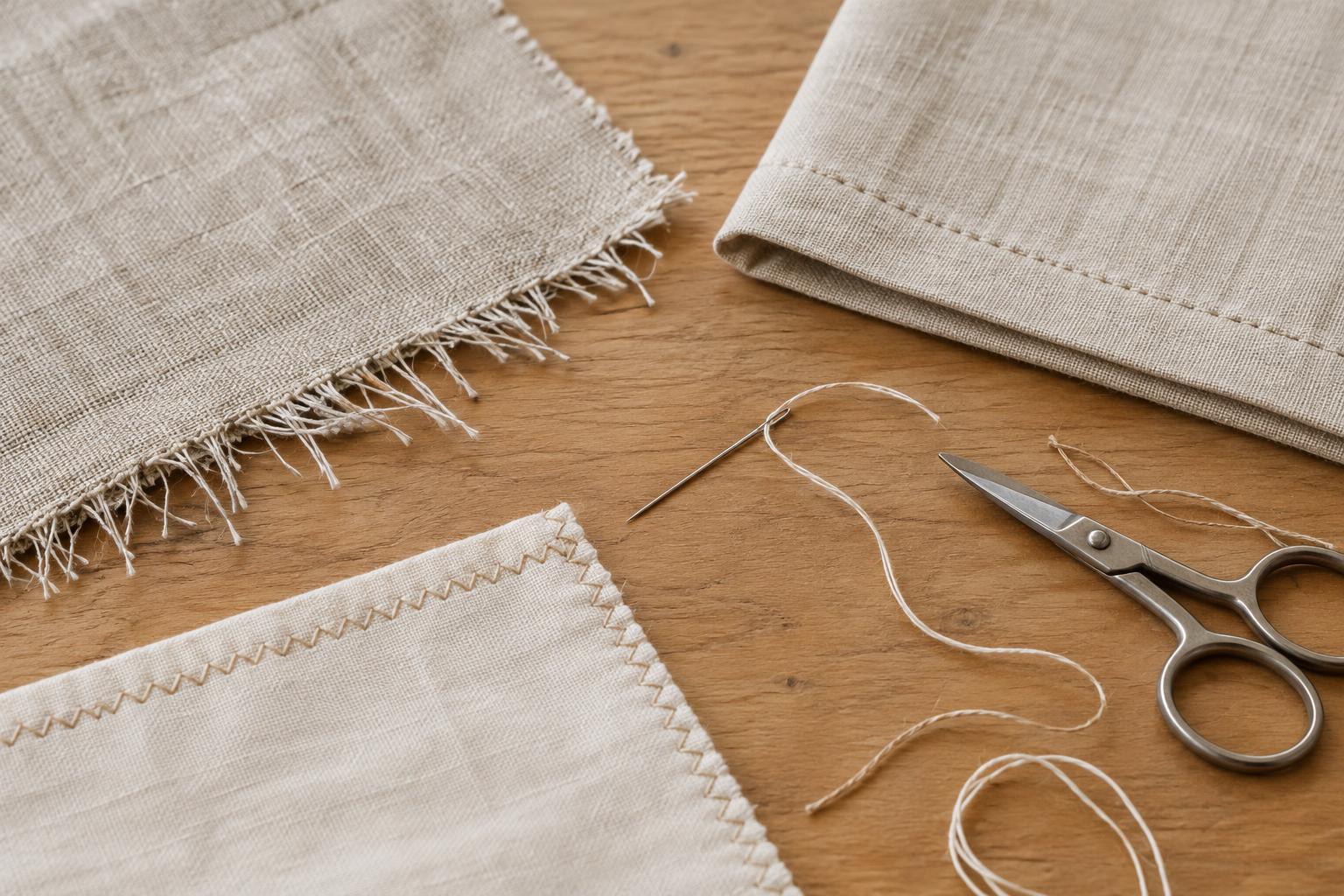
Materials and MakingA cut edge can turn a neat fabric project into a trail of loose threads. Learn why woven fabrics fray, how to choose an edge finish, and which simple methods work with common tools.
Read article · 4 min↗
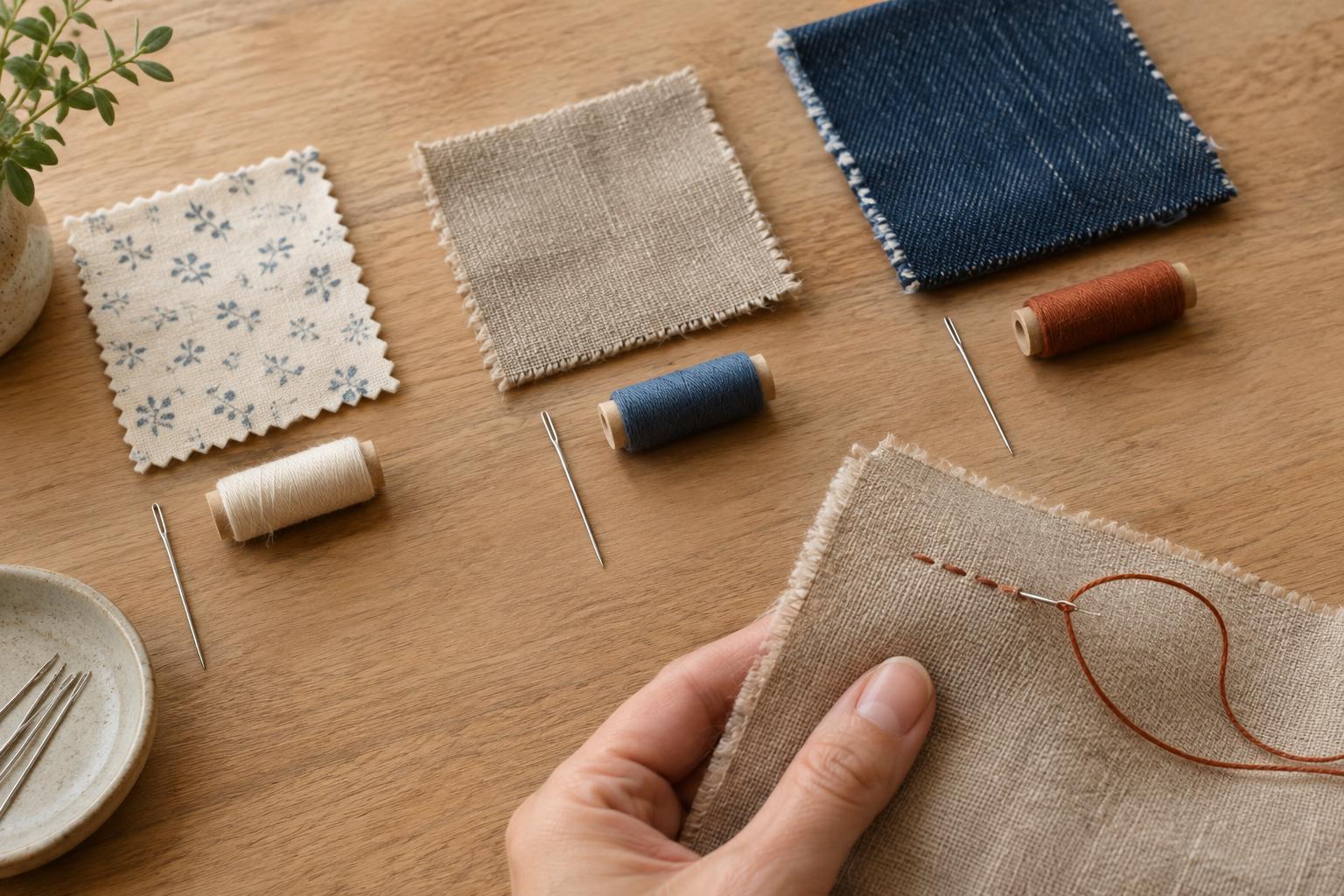
Materials and MakingA good hand-sewn stitch starts with a simple match: a needle that moves through the fabric without damage and a thread that suits the fabric’s weight and the job. Learn how to choose both, then test them on a scrap before you sew.
Read article · 4 min↗
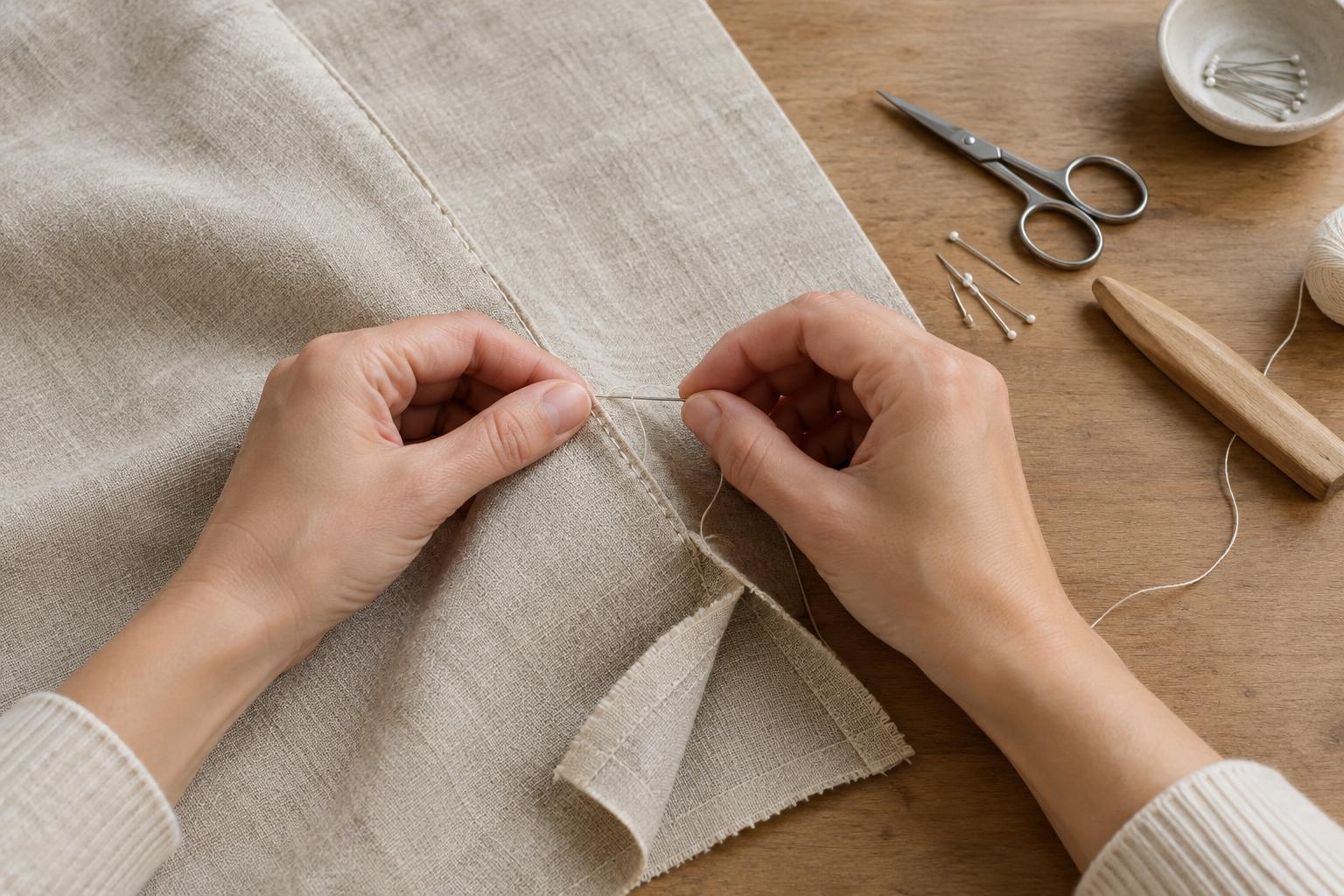
Materials and MakingA plain seam joins two pieces of fabric with one line of stitching. Learn how to prepare the edges, sew a firm hand backstitch, finish the allowances and check the seam before putting it to use.
Read article · 4 min↗
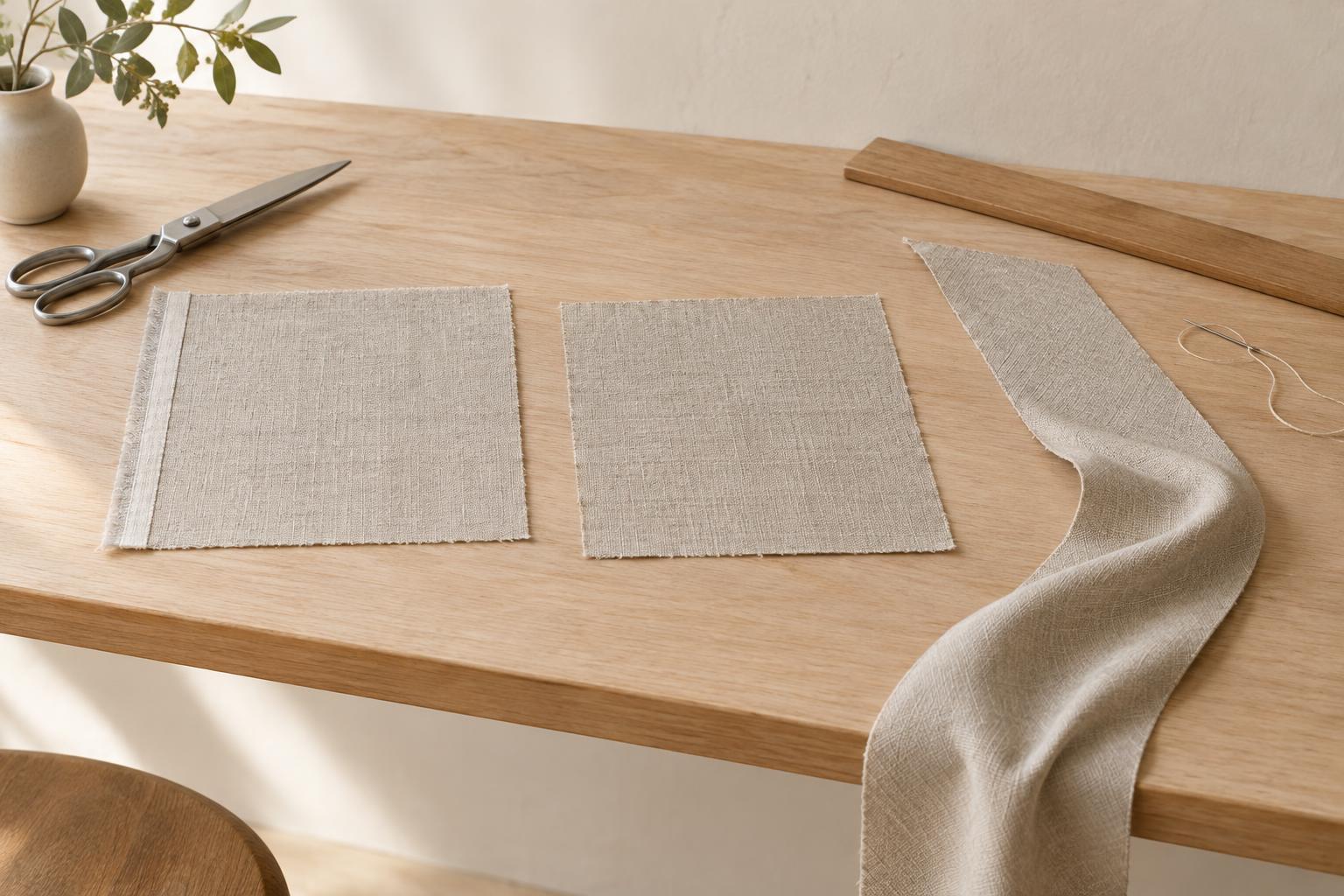
Materials and MakingA pattern can be cut accurately and still hang or twist in an unexpected way. The direction of the fabric’s threads affects how a piece stretches, drapes and holds its shape. Here’s how to recognize straight grain, cross grain and bias—and use each one deliberately.
Read article · 4 min↗
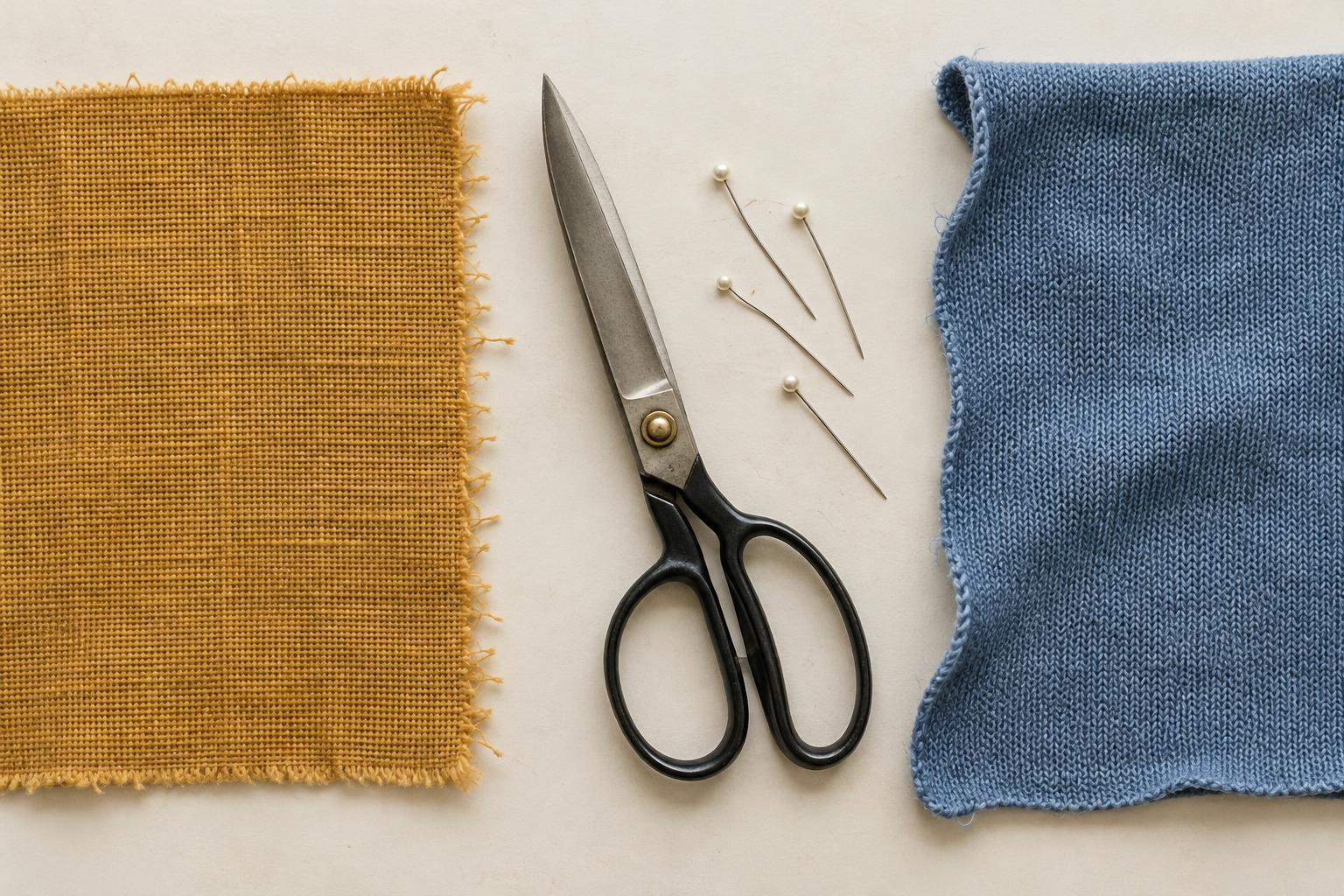
Materials and MakingWoven and knit fabrics can look similar on a shelf but behave differently on the cutting table. Learn how their structures affect stretch, fraying, curling, seams and finishing, plus a few simple tests to try before starting a project.
Read article · 4 min↗
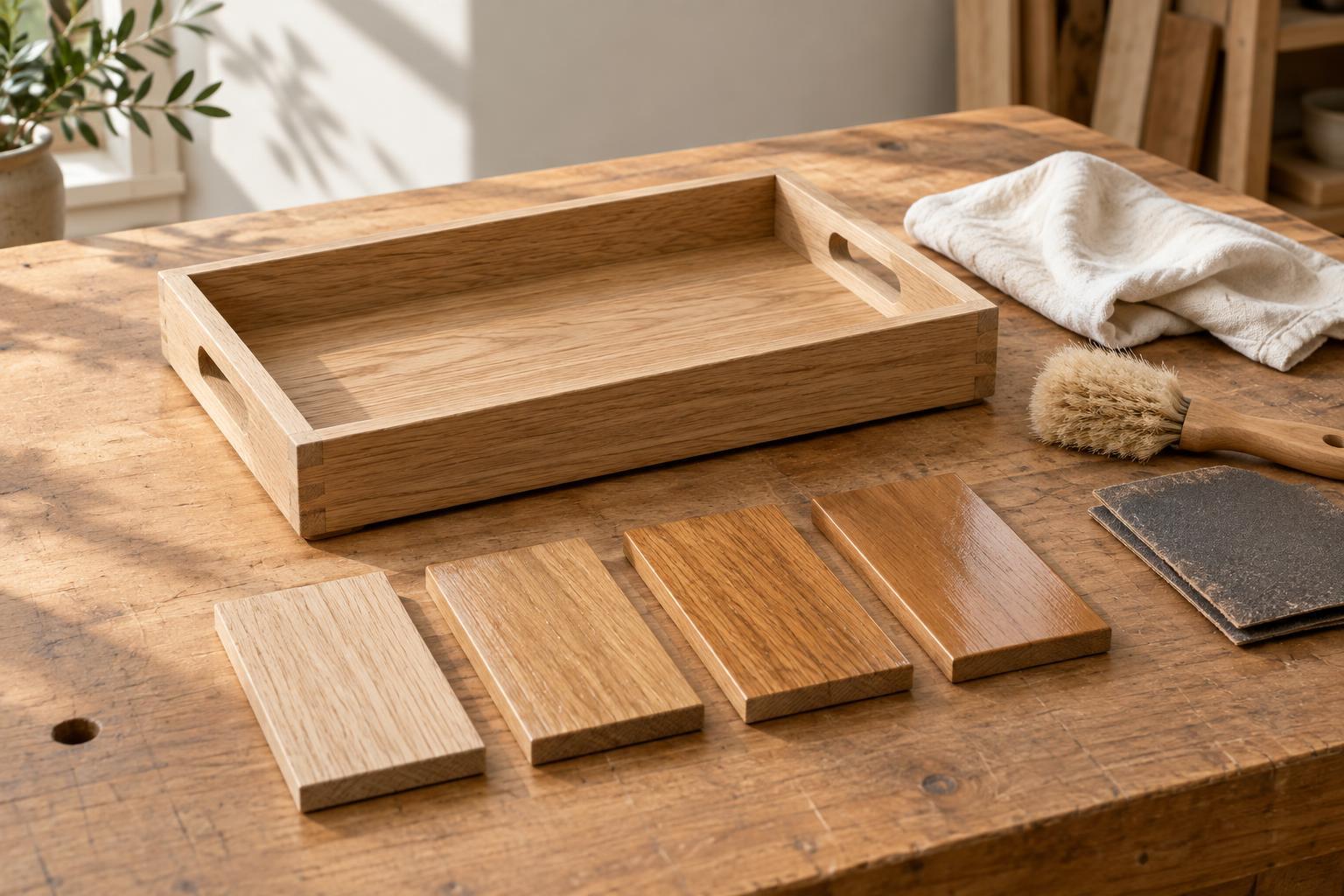
Materials and MakingA good finish should suit both the wood and the way an object will be used. This guide compares common options, from wax to film-forming finishes, and offers a practical way to test your choice before coating the whole piece.
Read article · 4 min↗
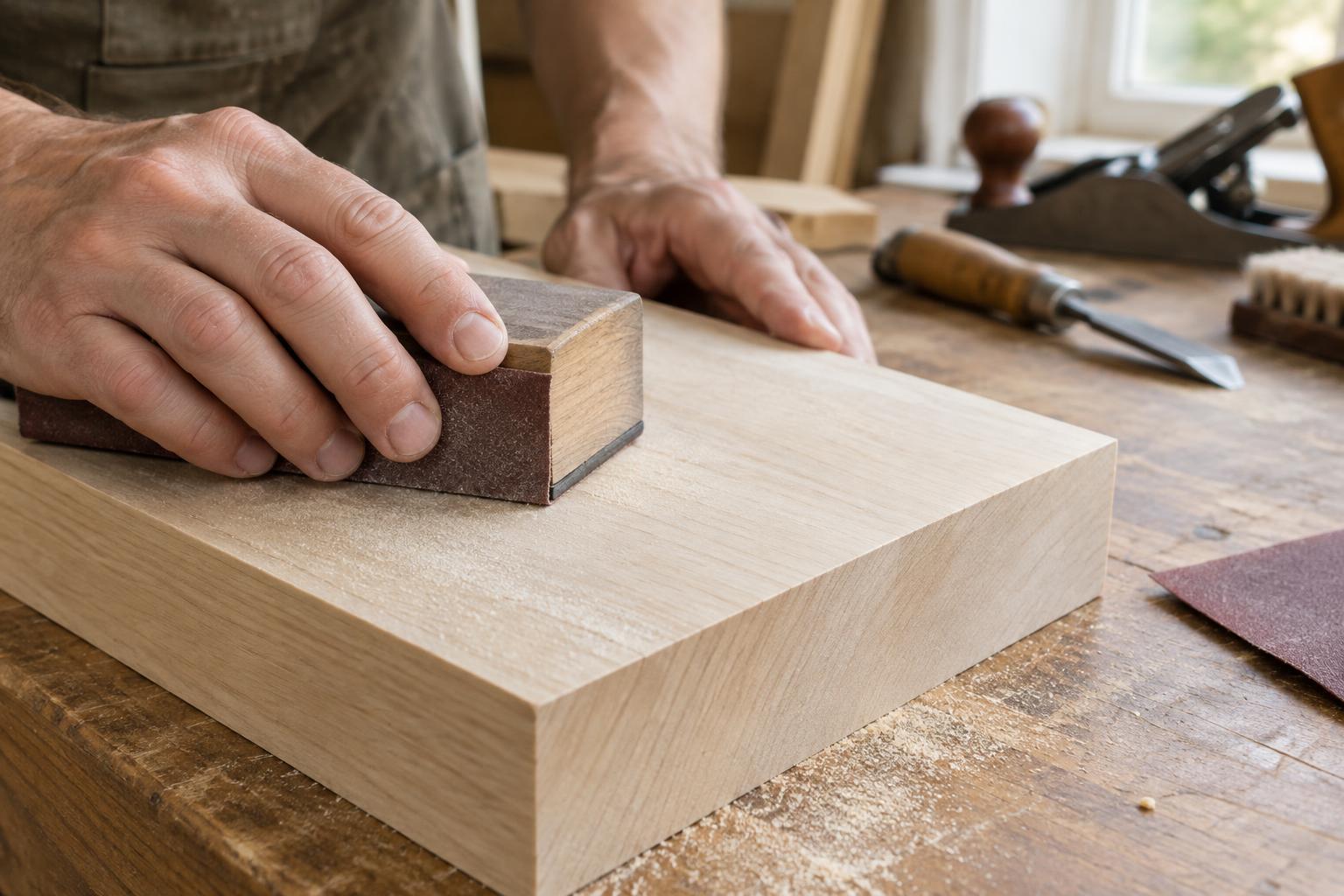
Materials and MakingCrisp edges are easy to soften while sanding, especially when a sheet of abrasive curls over a corner. Learn how to support the paper, control pressure and check your progress while preparing wood for a finish.
Read article · 4 min↗
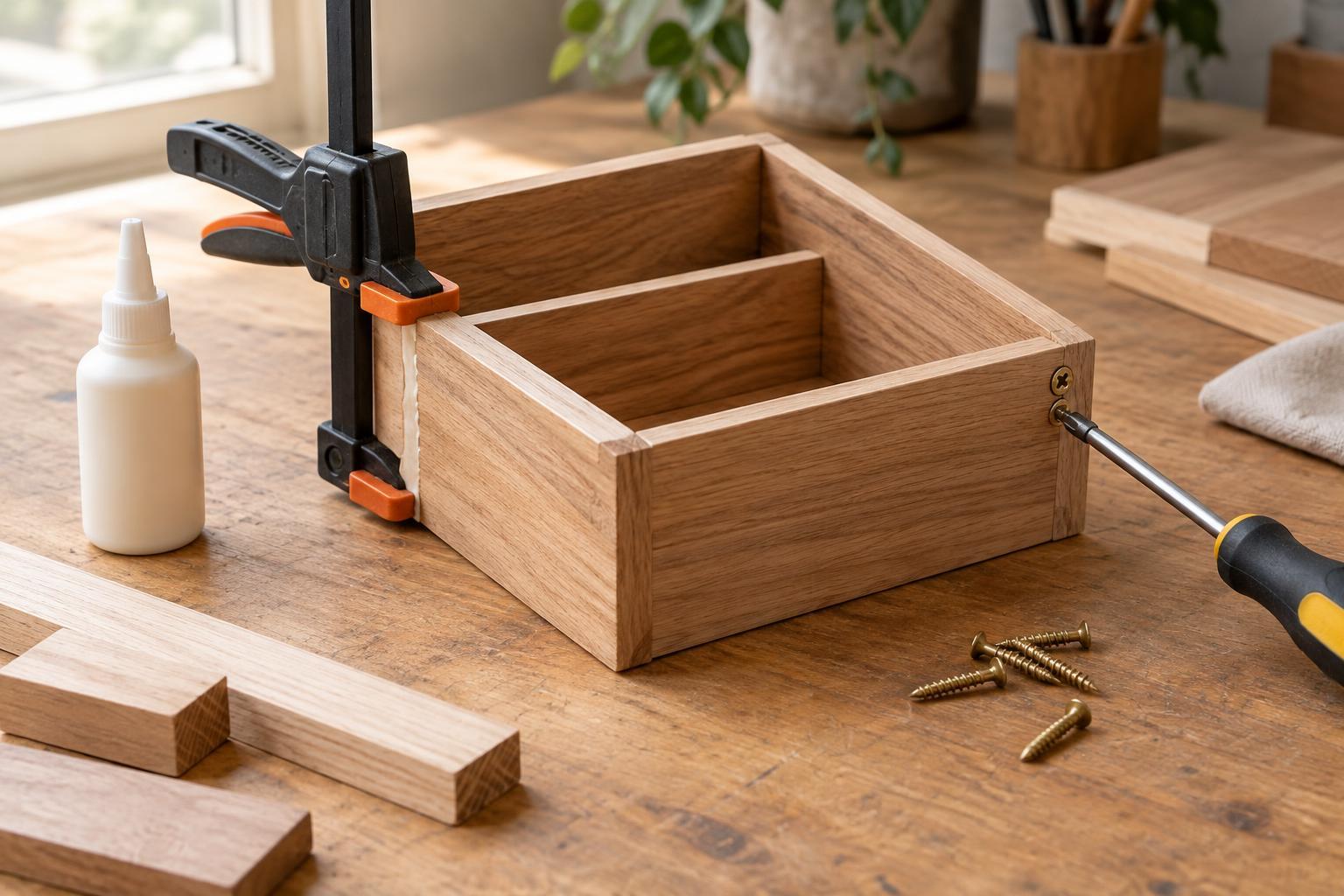
Materials and MakingA small wooden project rarely needs the strongest joint imaginable. It needs a joint that suits its shape, material and use. Here is how to decide when glue, screws or a combination makes sense.
Read article · 4 min↗
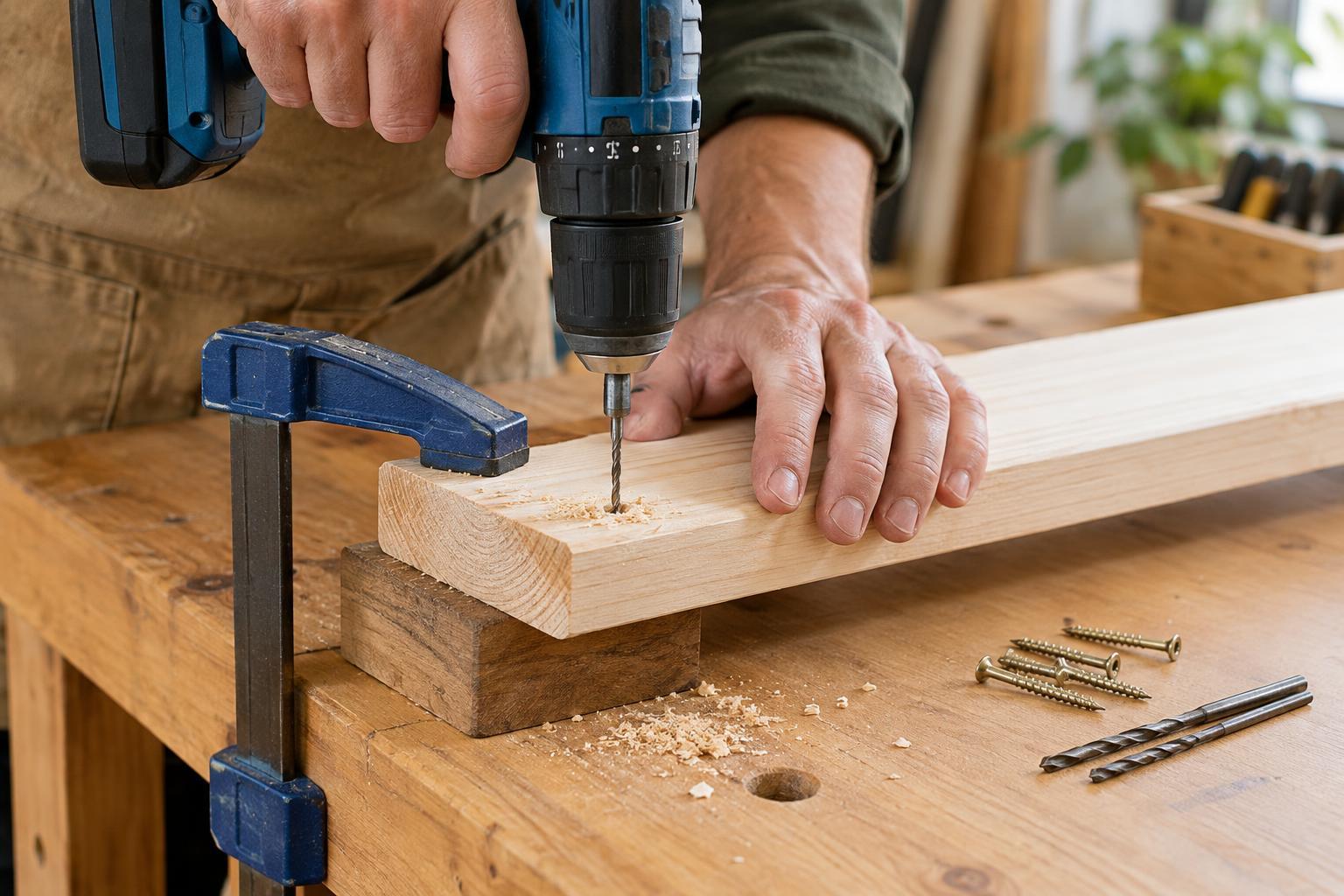
Materials and MakingA pilot hole gives a screw room to enter wood without forcing the surrounding fibers apart. Learn how to choose a bit, set the depth, drill near edges, and adjust your approach for different materials.
Read article · 4 min↗
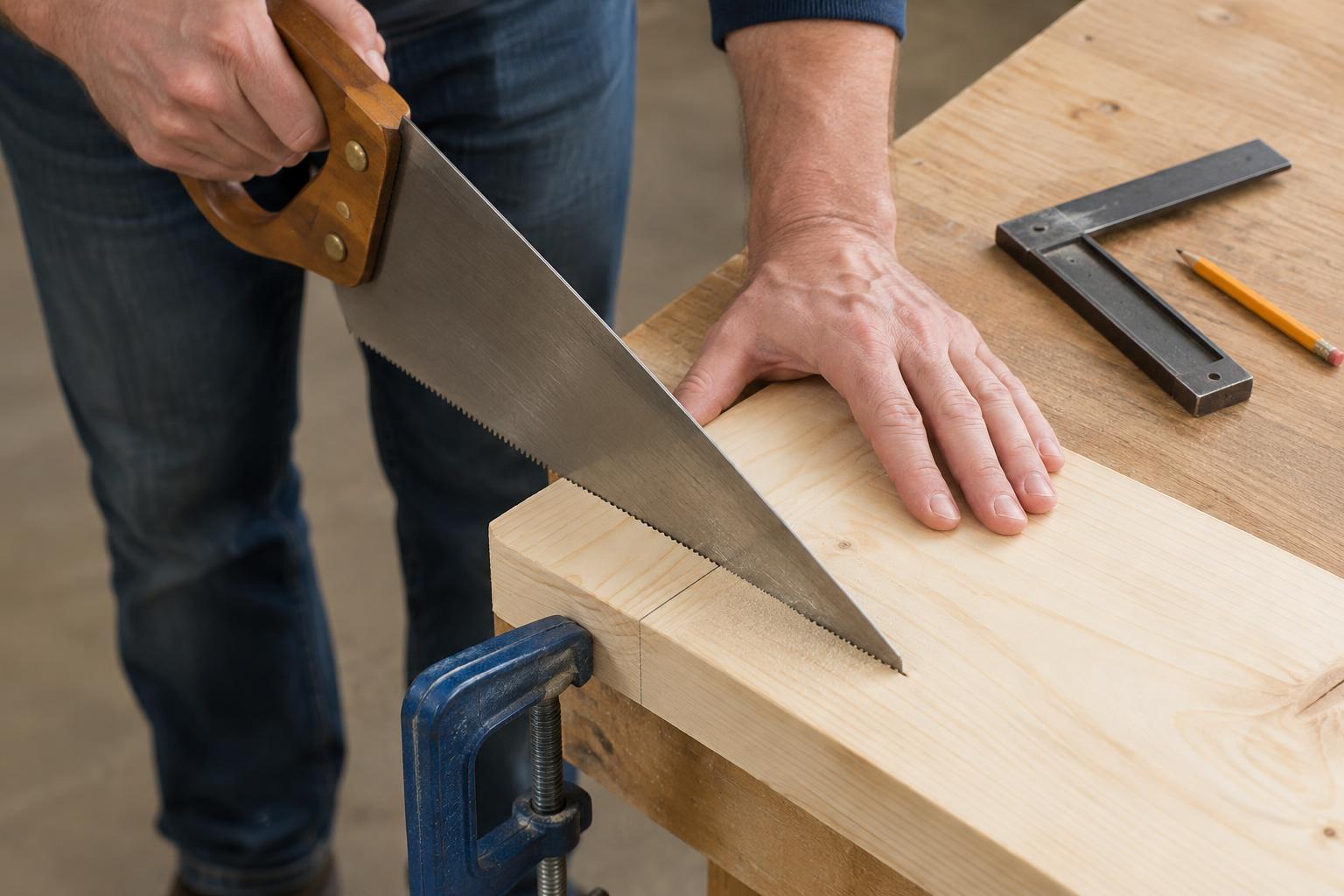
Materials and MakingA straight handsaw cut starts before the blade touches the wood. Learn how to mark a clear line, support the workpiece, start the cut gently, and use the full stroke while keeping the blade on track.
Read article · 4 min↗
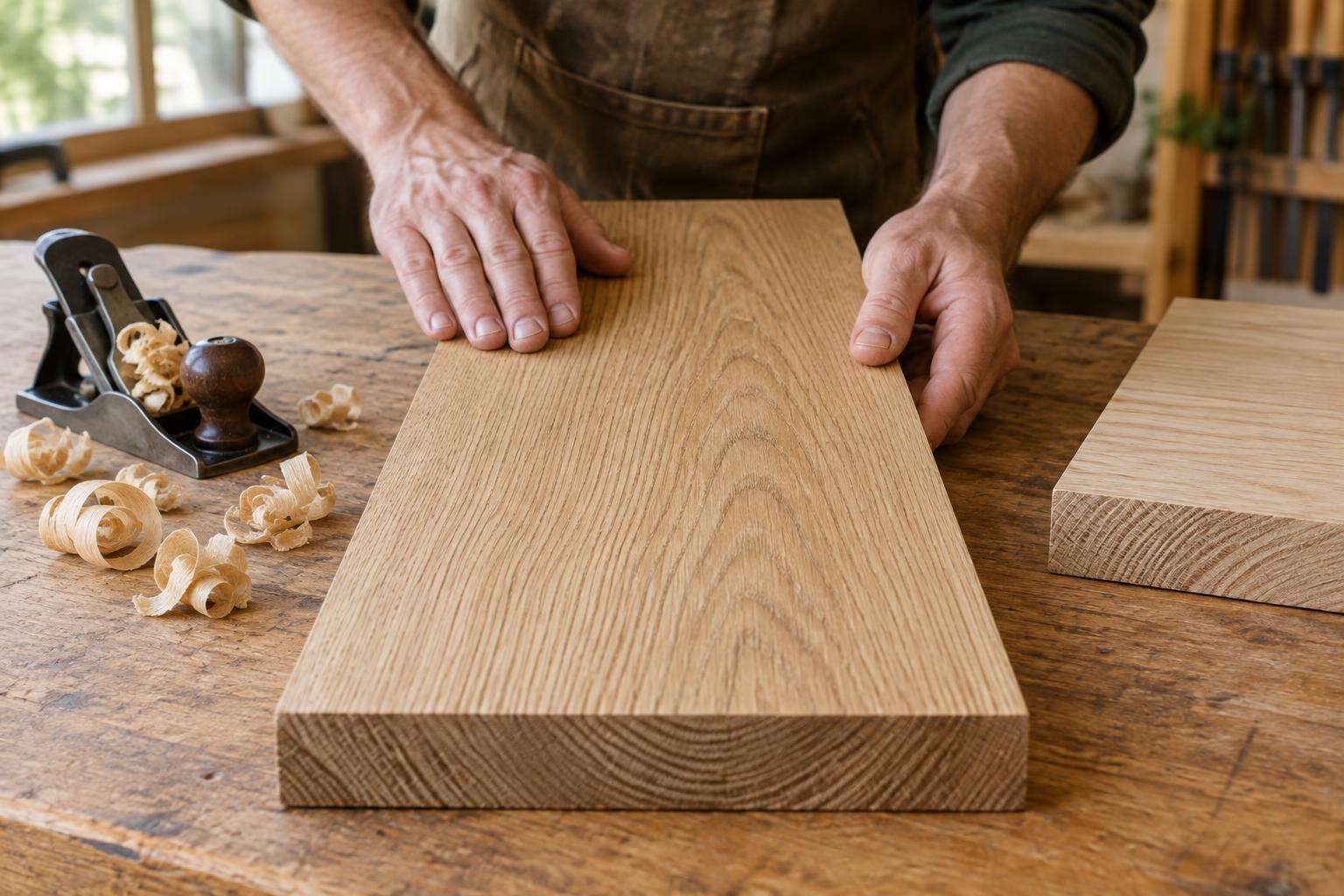
Materials and MakingWood grain is more than a visual pattern. The direction of the fibers influences how a board cuts, where it is strongest, and how it moves as humidity changes. Learn what to look for before making a cut or building a small project.
Read article · 4 min↗
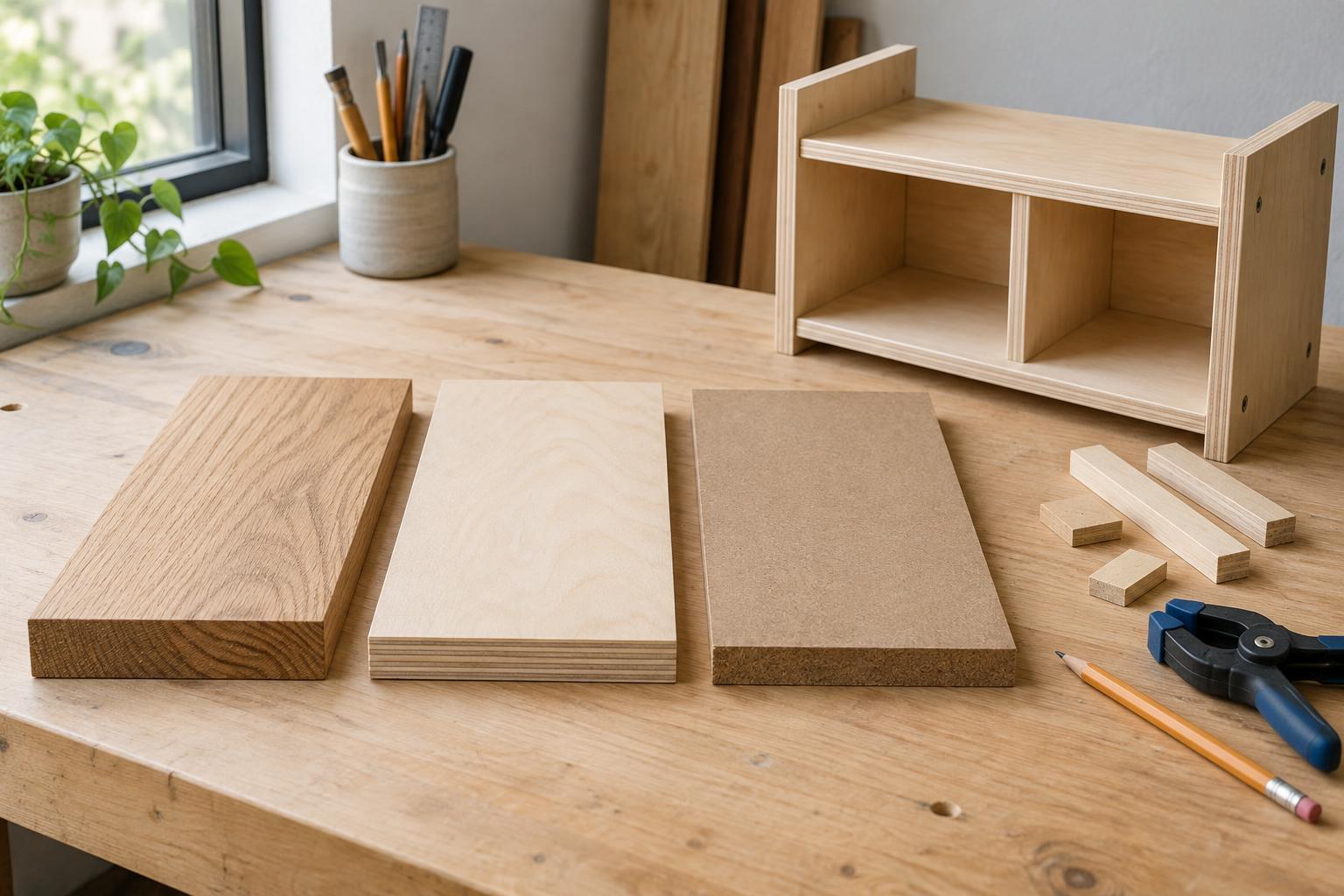
Materials and MakingA small shelf, desk organizer, or storage box can work well in solid wood, plywood, or MDF—but each material asks for a different approach. Compare appearance, strength, edges, finishing, and ease of making before you buy.
Read article · 4 min↗