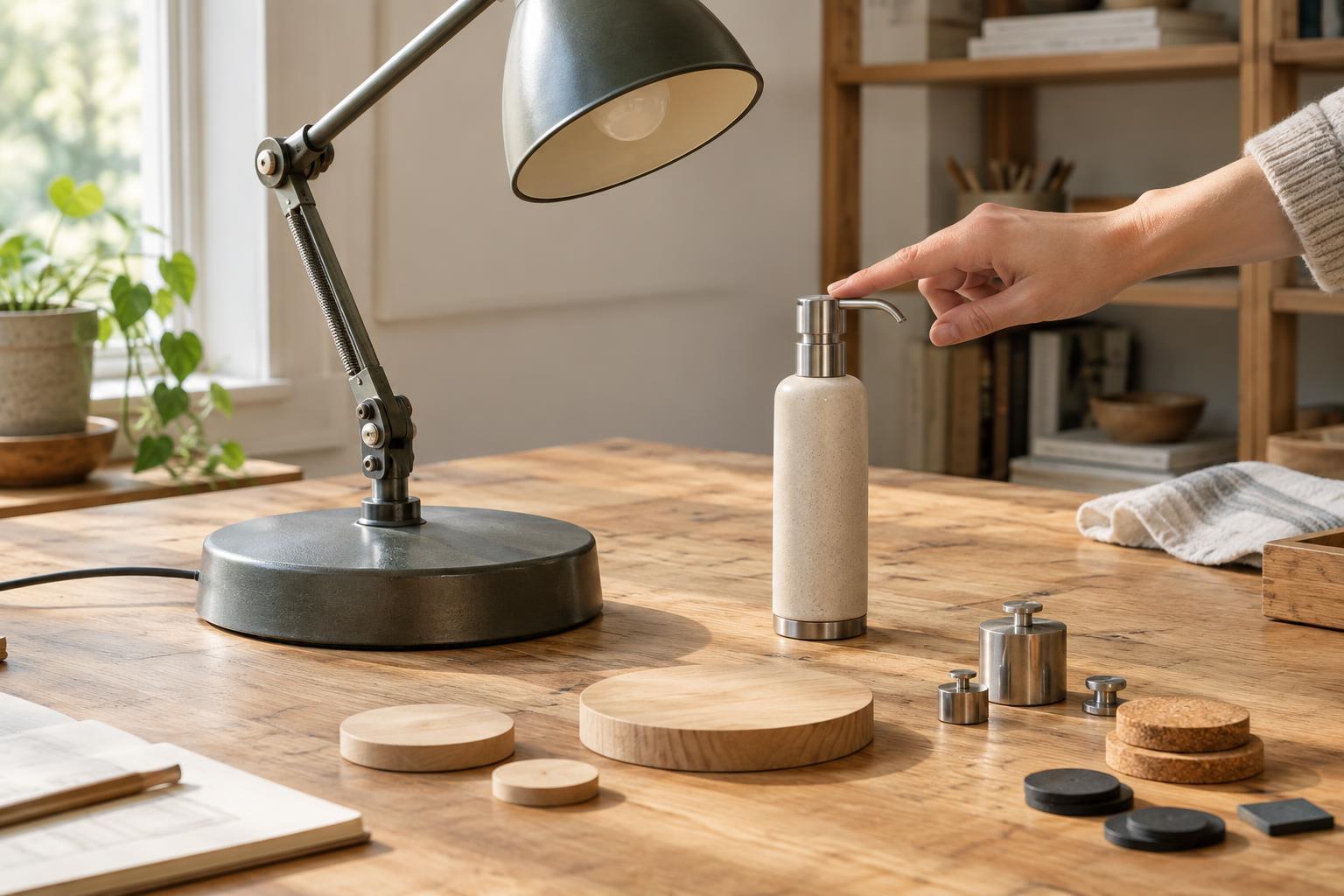
Everyday Product DesignA desk lamp, soap dispenser, or countertop holder can look stable until someone uses it. Learn how footprint, weight placement, contact surfaces, and ordinary handling affect whether an object stays upright.
Read article · 4 min↗
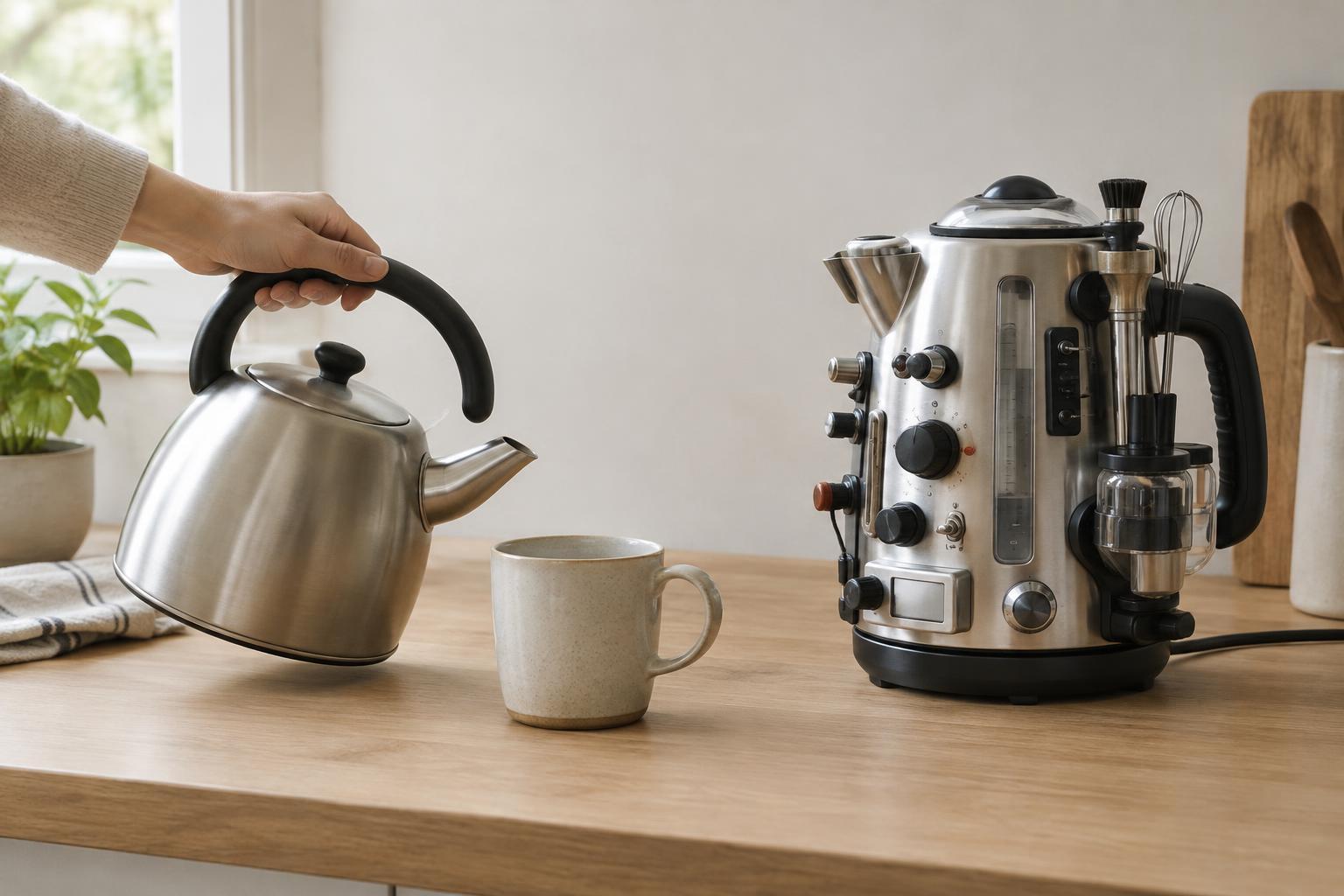
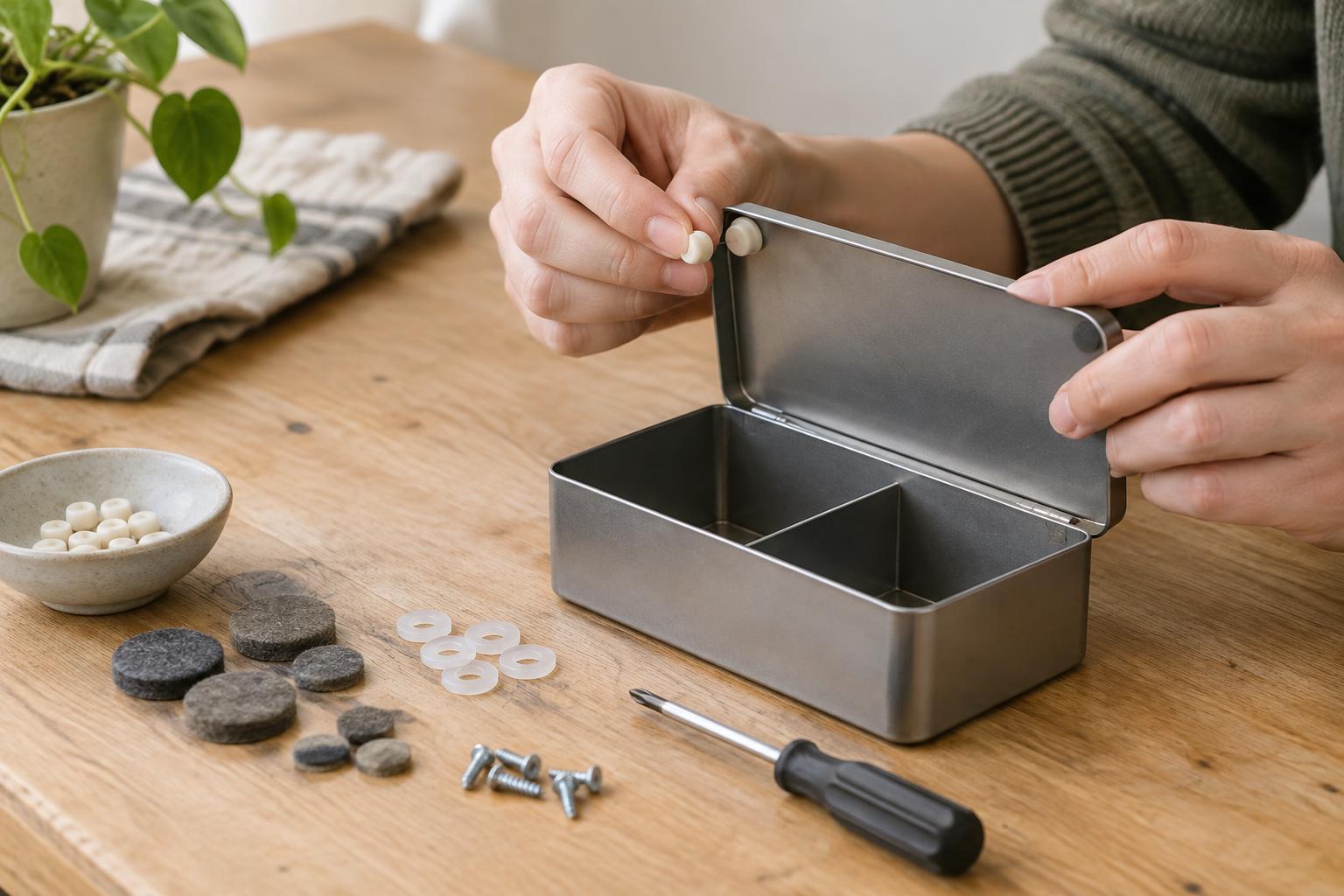
Everyday Product DesignA quiet product is often the result of small design choices: parts that fit securely, surfaces that do not strike each other, and soft materials placed where they can do the most good. Learn how to locate a noise and choose a practical fix.
Read article · 4 min↗
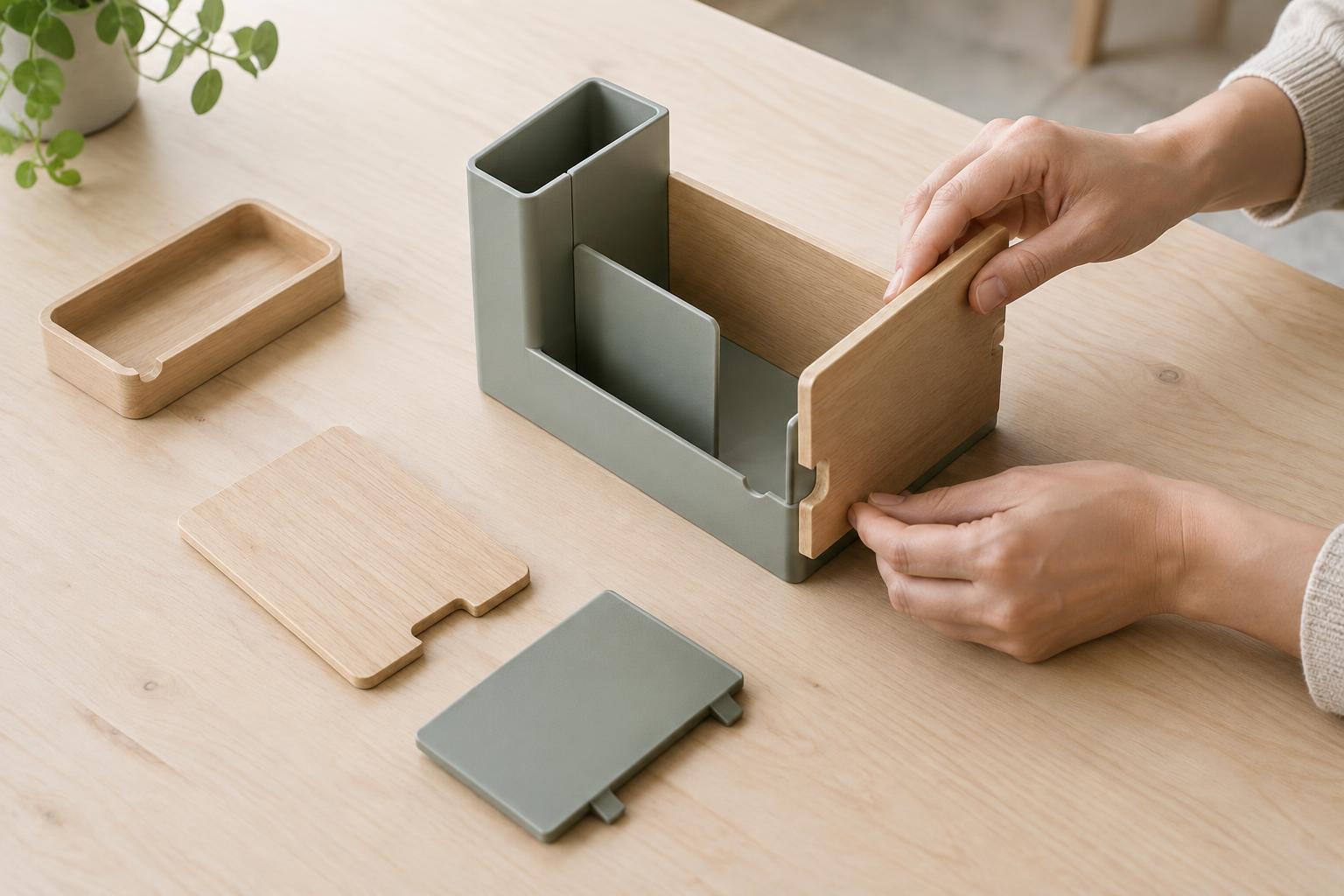
Everyday Product DesignA product can have only a few parts and still be confusing to put together. Clear orientation, distinct connections and useful feedback help people assemble everyday objects with confidence—and make mistakes easier to spot and fix.
Read article · 4 min↗
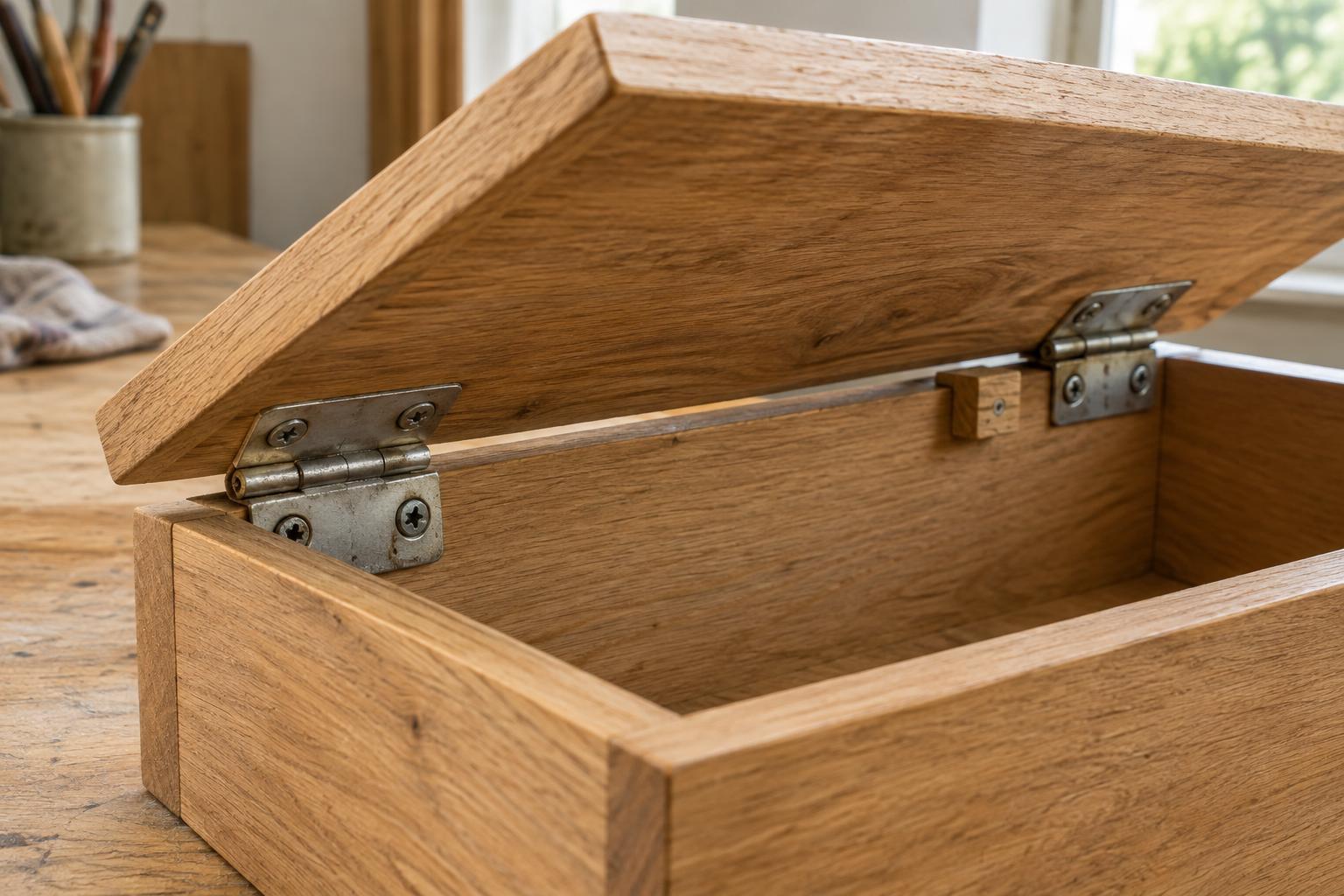
Everyday Product DesignA hinge can look simple until a lid sags, a cabinet door rubs, or a folding object stops moving smoothly. Understanding where the load goes, what limits the motion, and how small movements add up can help you choose, install, and maintain hinges more thoughtfully.
Read article · 4 min↗
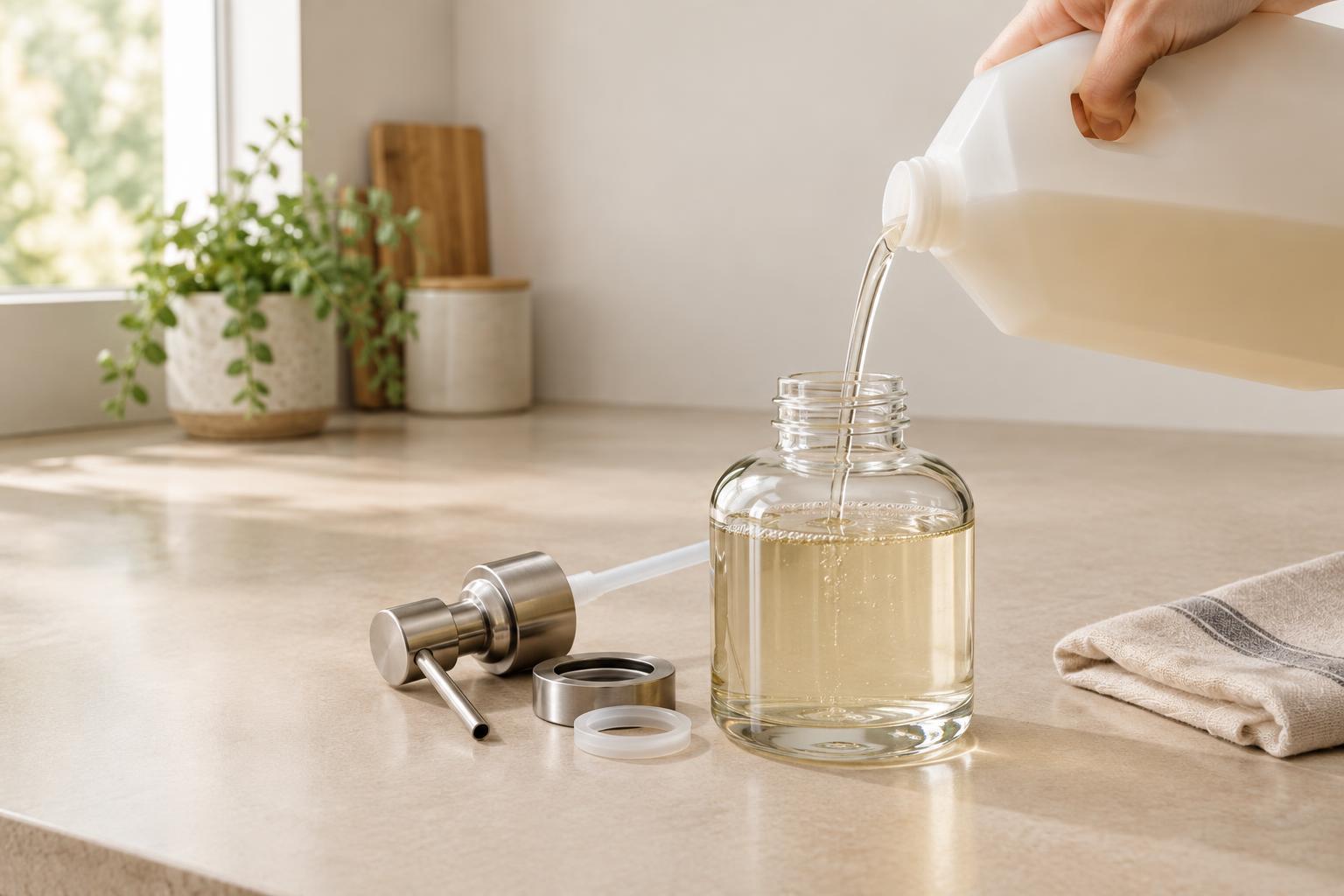
Everyday Product DesignA refillable product works best when opening, filling, closing and cleaning all feel straightforward. Here is how access, pour paths, seals and everyday handling can work together to make refilling less messy.
Read article · 4 min↗
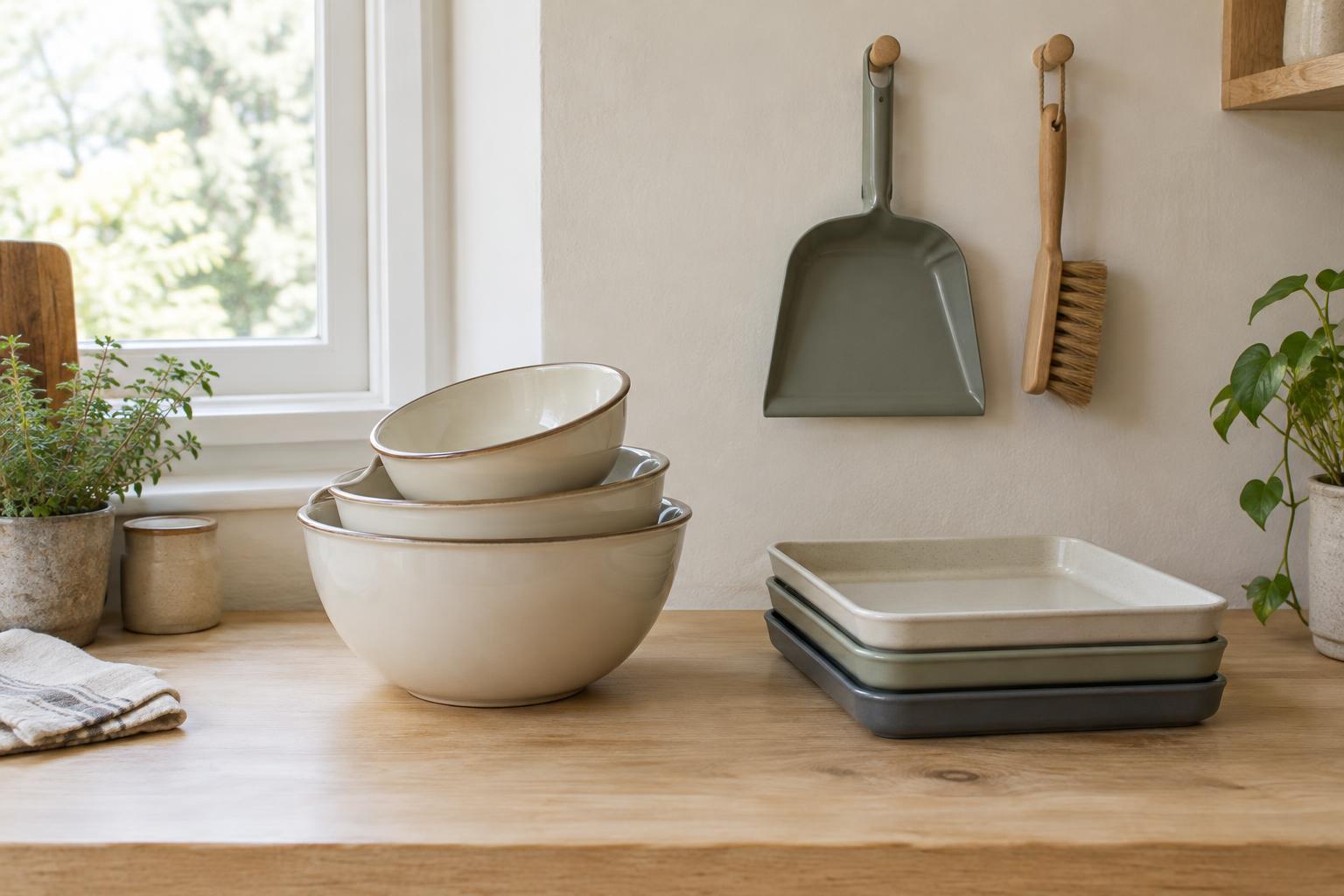
Everyday Product DesignA household object has two jobs: work well when it is in use and fit sensibly somewhere when it is not. Nesting, stacking, and hanging solve different storage problems. Understanding their tradeoffs can help you choose better products or design your own.
Read article · 4 min↗
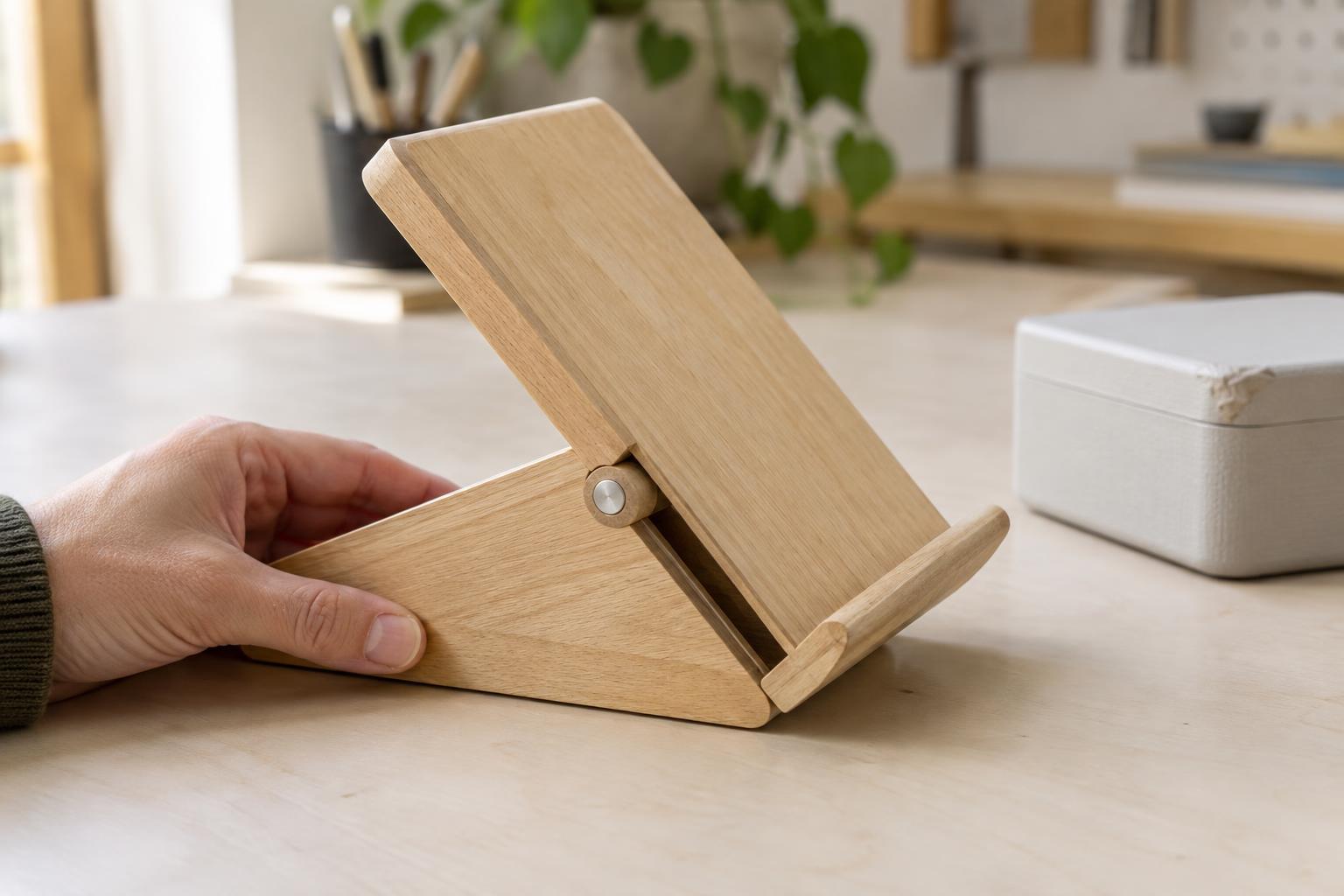
Everyday Product DesignA drawer pull, folding stand, or storage box may feel comfortable until it moves. Learn how to inspect a product’s edges and moving parts, notice where fingers might get trapped, and make safer choices when designing or buying everyday objects.
Read article · 4 min↗
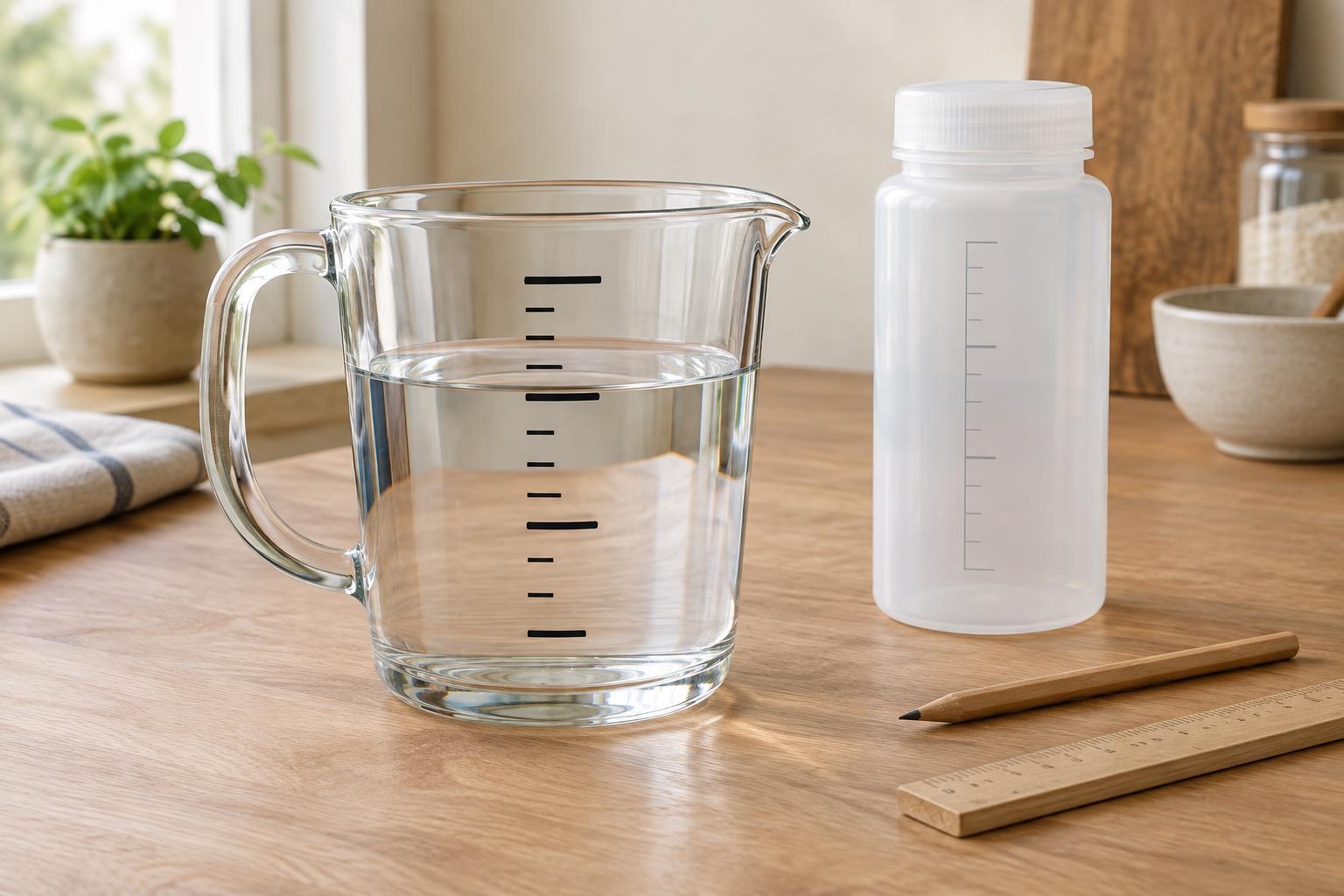
Everyday Product DesignA measuring cup or storage bottle is only as useful as its scale. Clear units, sensible spacing, strong contrast and a place to read the liquid level can make everyday containers easier to use.
Read article · 4 min↗
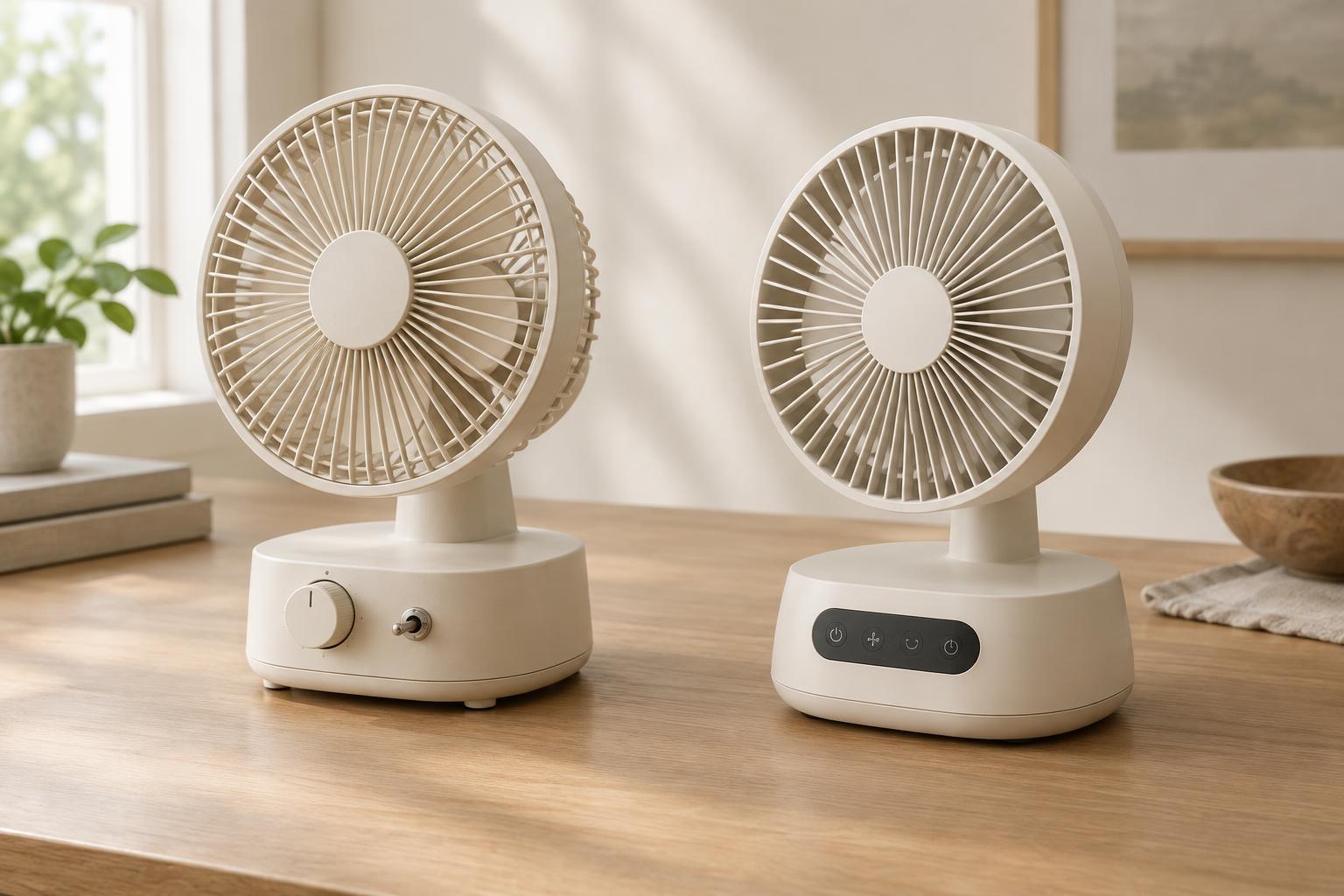
Everyday Product DesignA dial, switch or button does more than turn a product on. It shapes how easily people understand, use and maintain it. Here is a practical way to compare mechanical and electronic controls in simple household objects.
Read article · 4 min↗
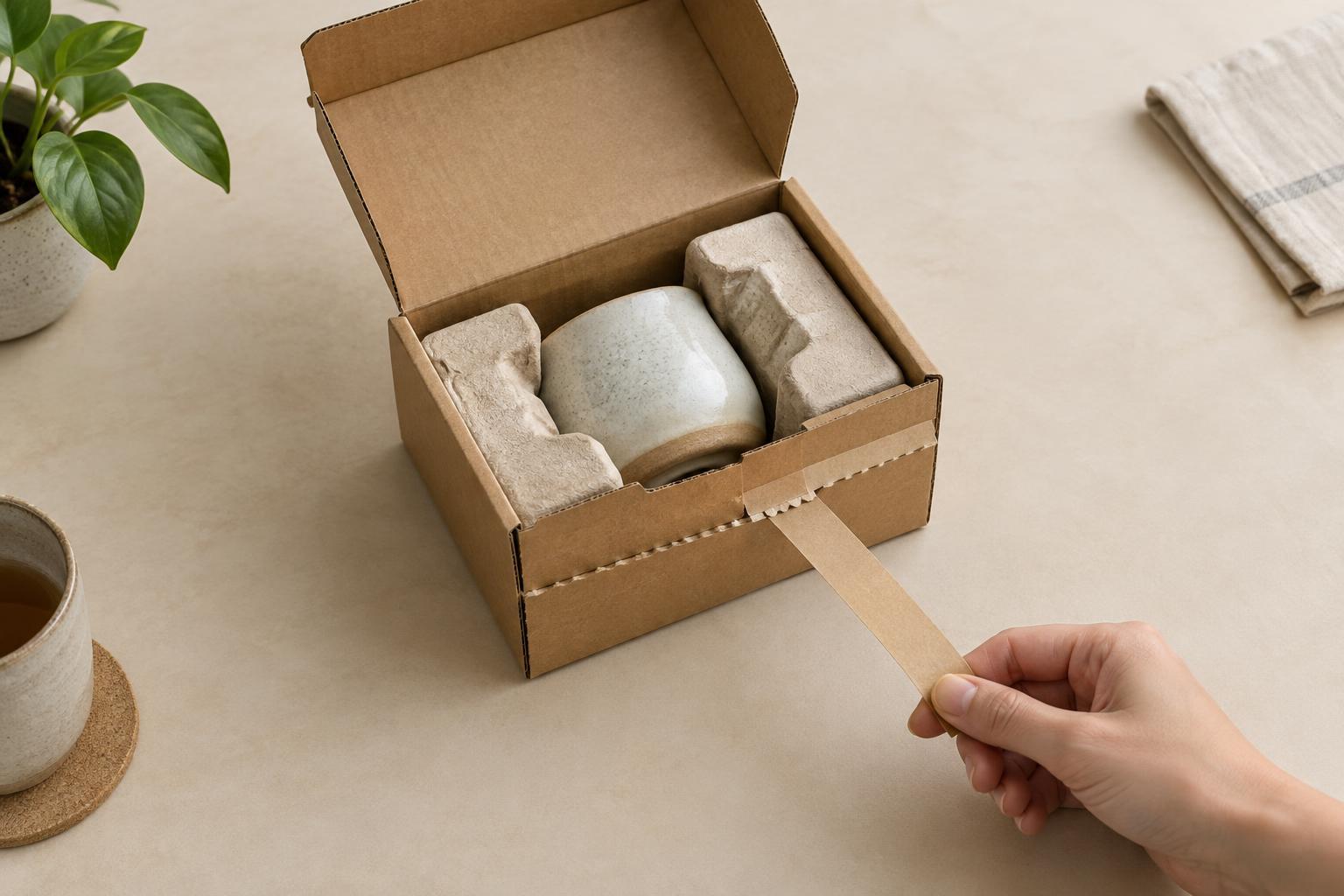
Everyday Product DesignPackaging has two jobs that can pull in opposite directions: keep an object safe until it is needed, then let someone get to it without a struggle. A closer look at openings, seals and supports shows how designers can make both jobs easier.
Read article · 4 min↗
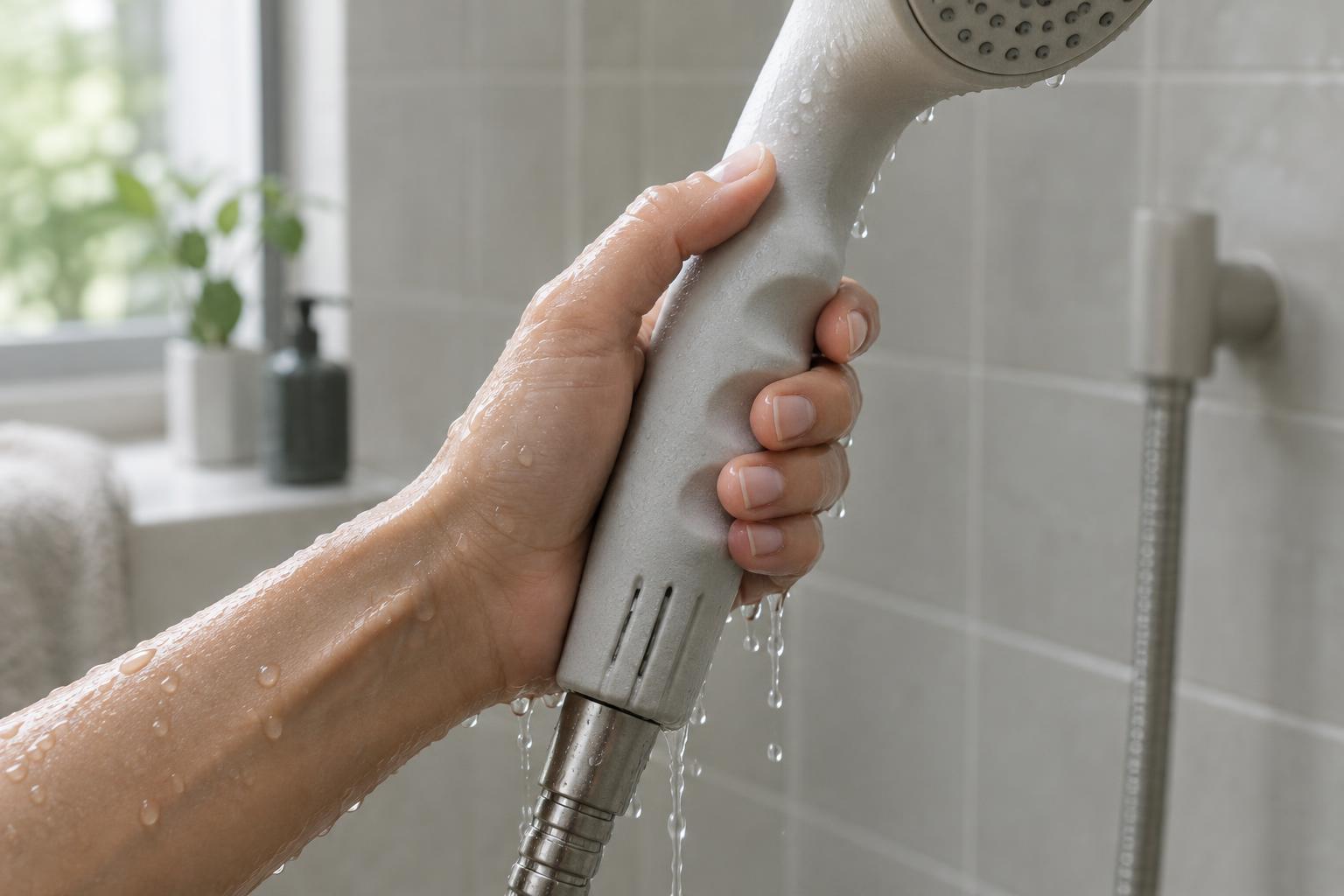
Everyday Product DesignA wet hand can turn an ordinary task into an awkward one. Better grip comes from more than adding a rough surface: shape, drainage, materials and the way an object is used all matter. Here is a practical way to assess and improve objects used near sinks, showers and other damp spaces.
Read article · 4 min↗
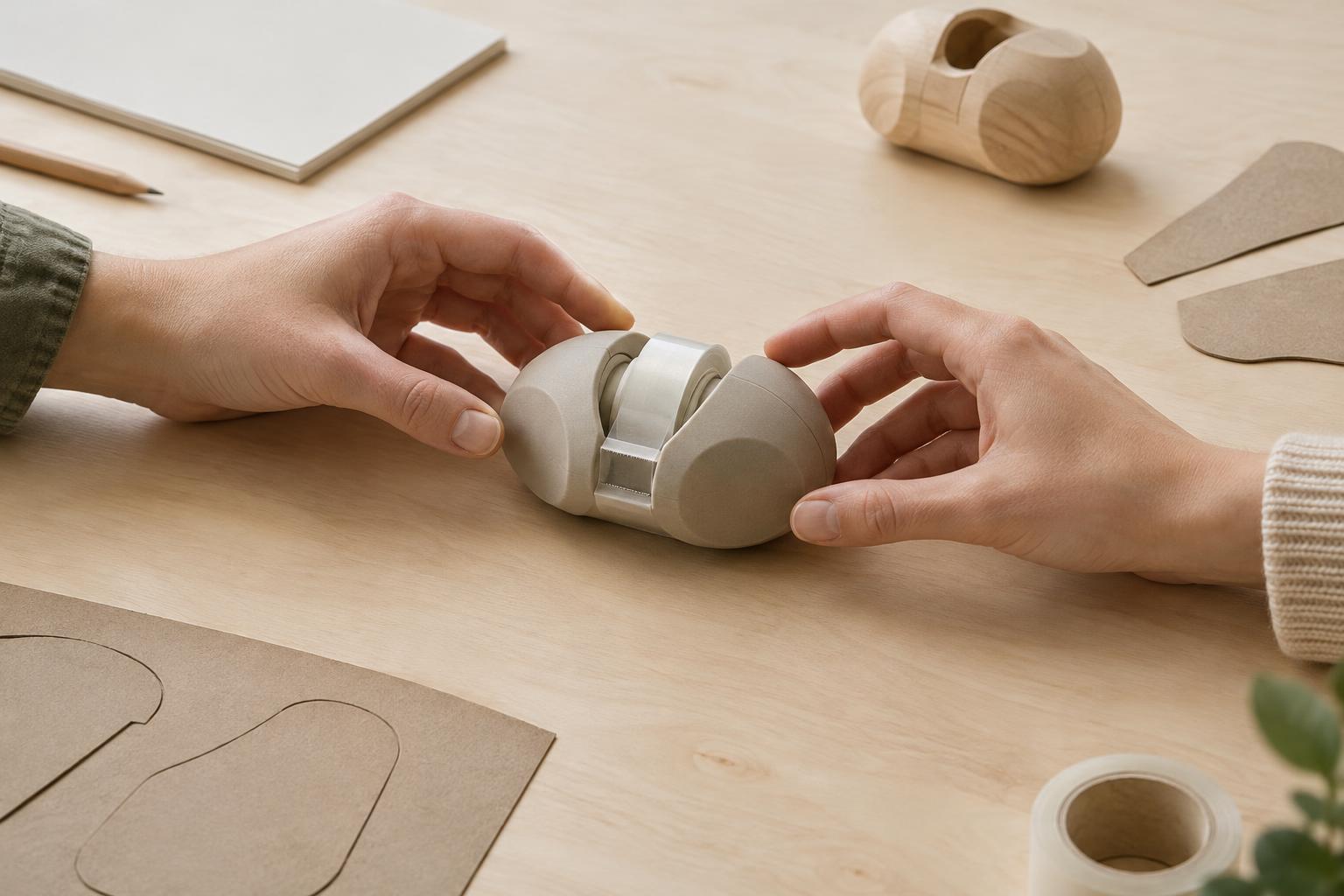
Everyday Product DesignA symmetrical object can be easier to pick up, share and use with either hand. But symmetry is not a cure-all. Here is how to decide when it helps, when a reversible design works better and what to check in a simple prototype.
Read article · 4 min↗
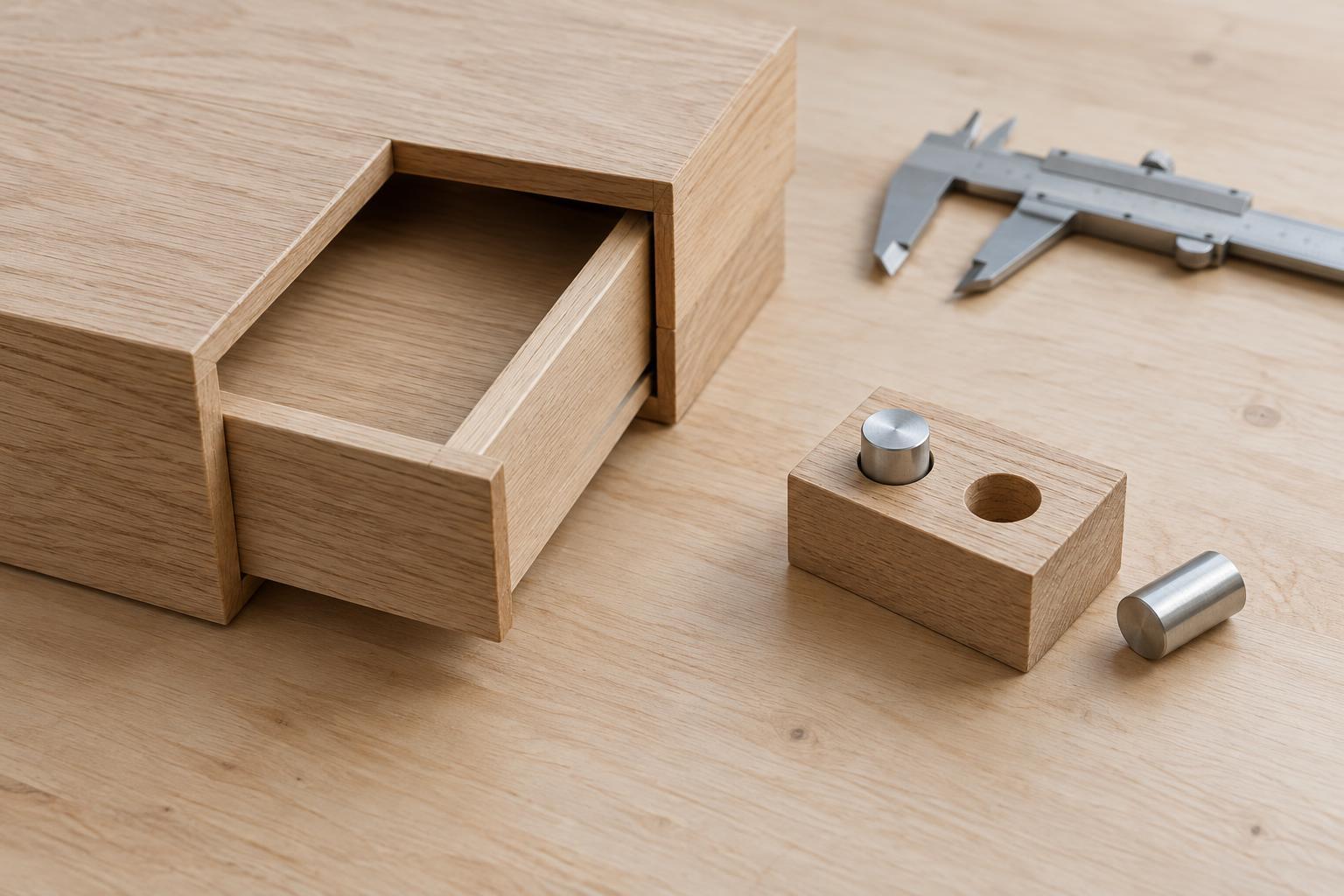
Everyday Product DesignA lid that sticks and a drawer that rattles can have the same underlying cause: small differences between a design’s intended dimensions and the parts that were made. Understanding tolerances helps designers choose better fits, account for materials and make everyday products easier to use.
Read article · 4 min↗
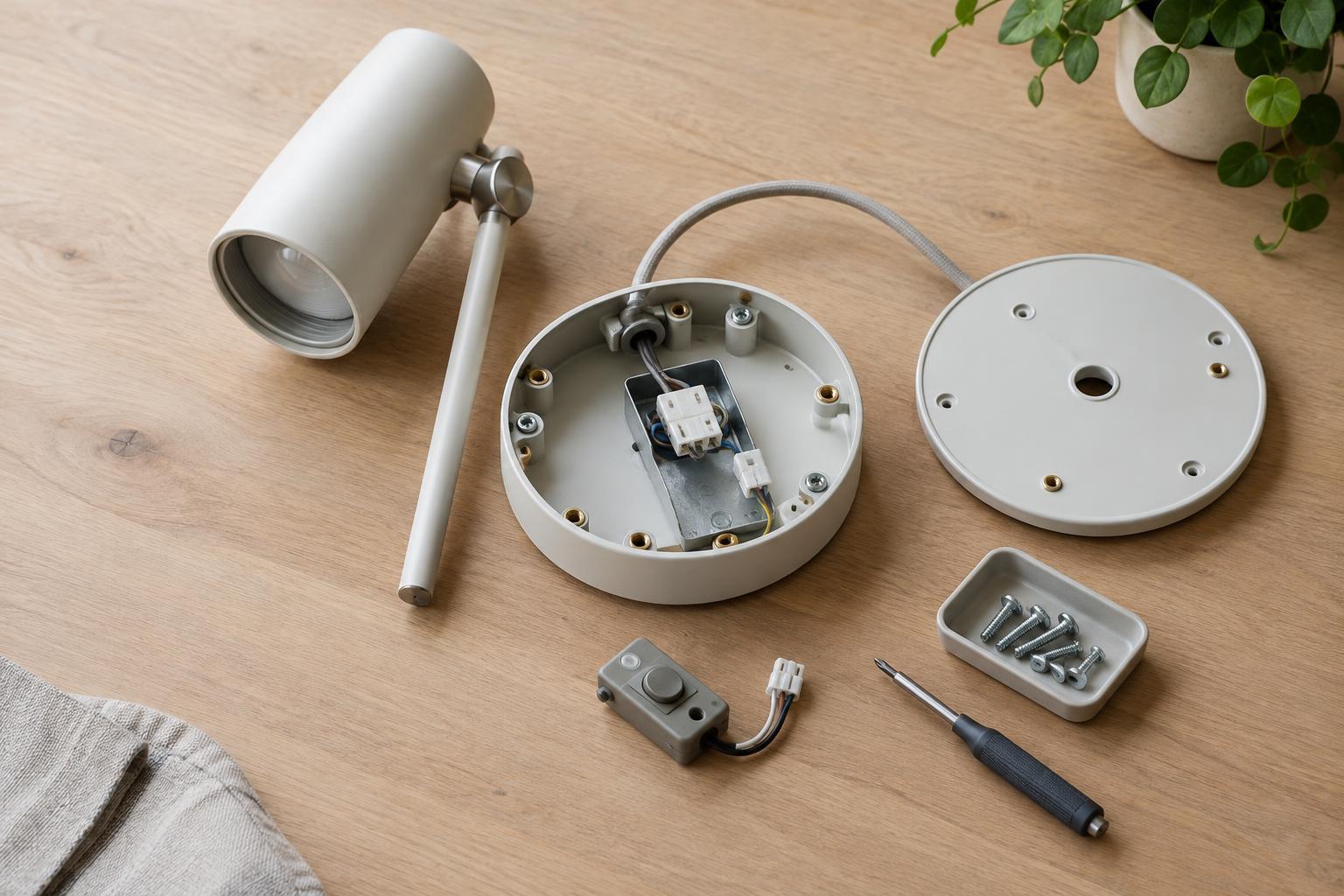
Everyday Product DesignA repairable object does more than survive wear. It lets someone open it, identify a failed part, and put it back together without damaging everything around it. Here is how fasteners, access, and replaceable components shape that experience.
Read article · 4 min↗
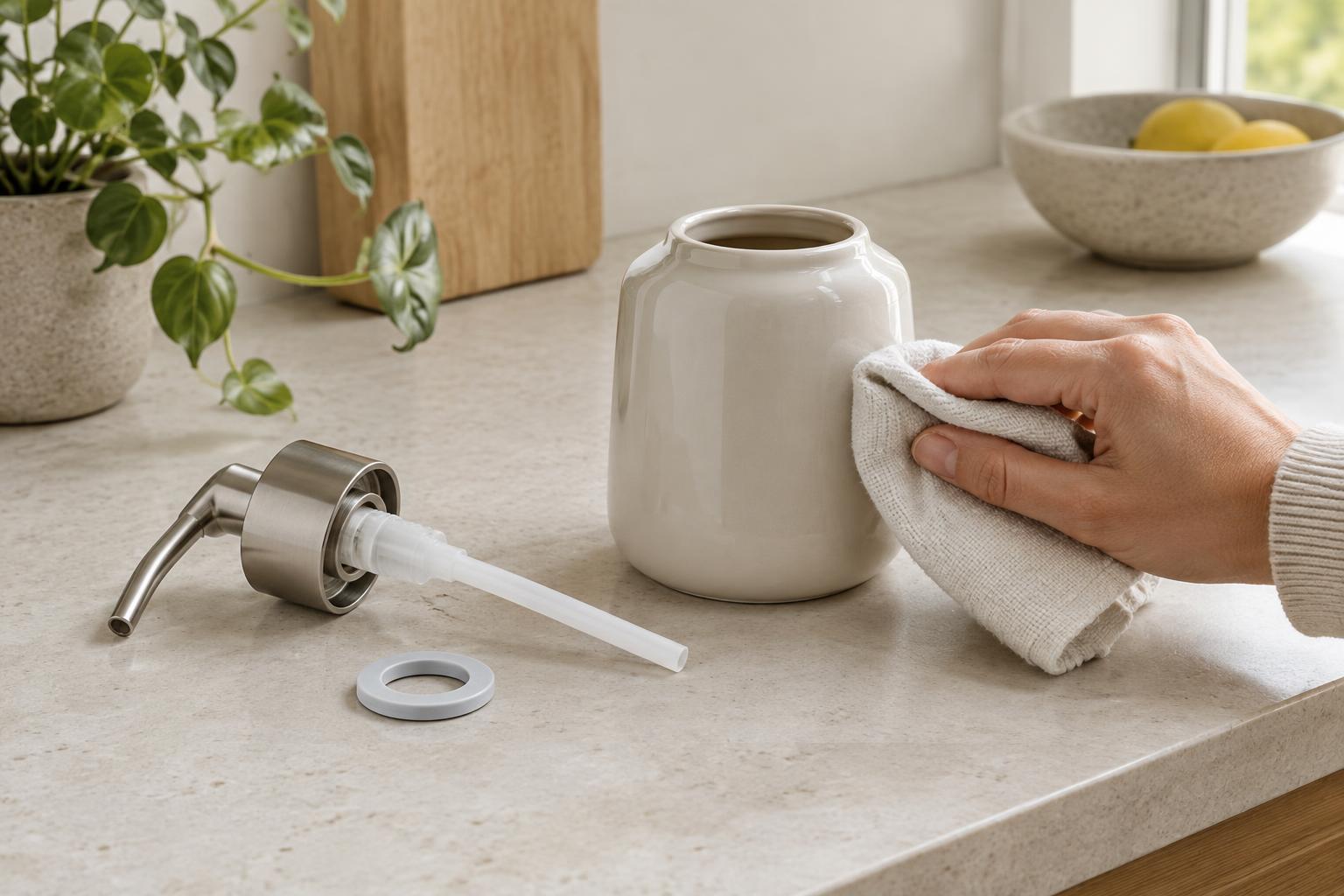
Everyday Product DesignAn object can feel effortless to use yet be frustrating to maintain. Cleanability begins with decisions about shape, materials, joints and access. Here is a practical way to design everyday products that fit a simple cleaning routine.
Read article · 4 min↗
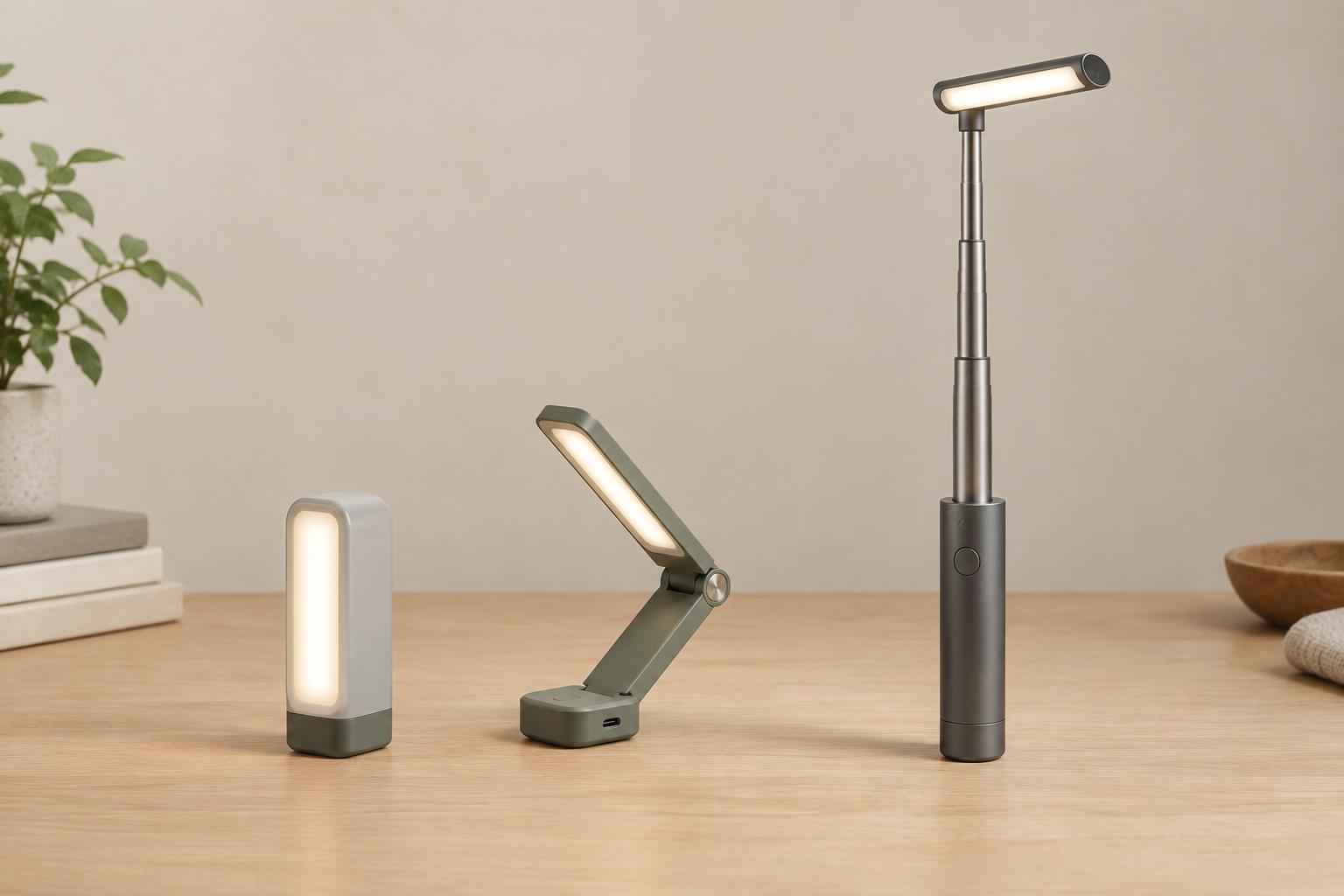
Everyday Product DesignA portable object has to work in two states: while it is being used and while it is being carried or stored. Fixed, folding, and telescoping forms solve that problem in different ways. Here is a practical framework for choosing among them.
Read article · 4 min↗
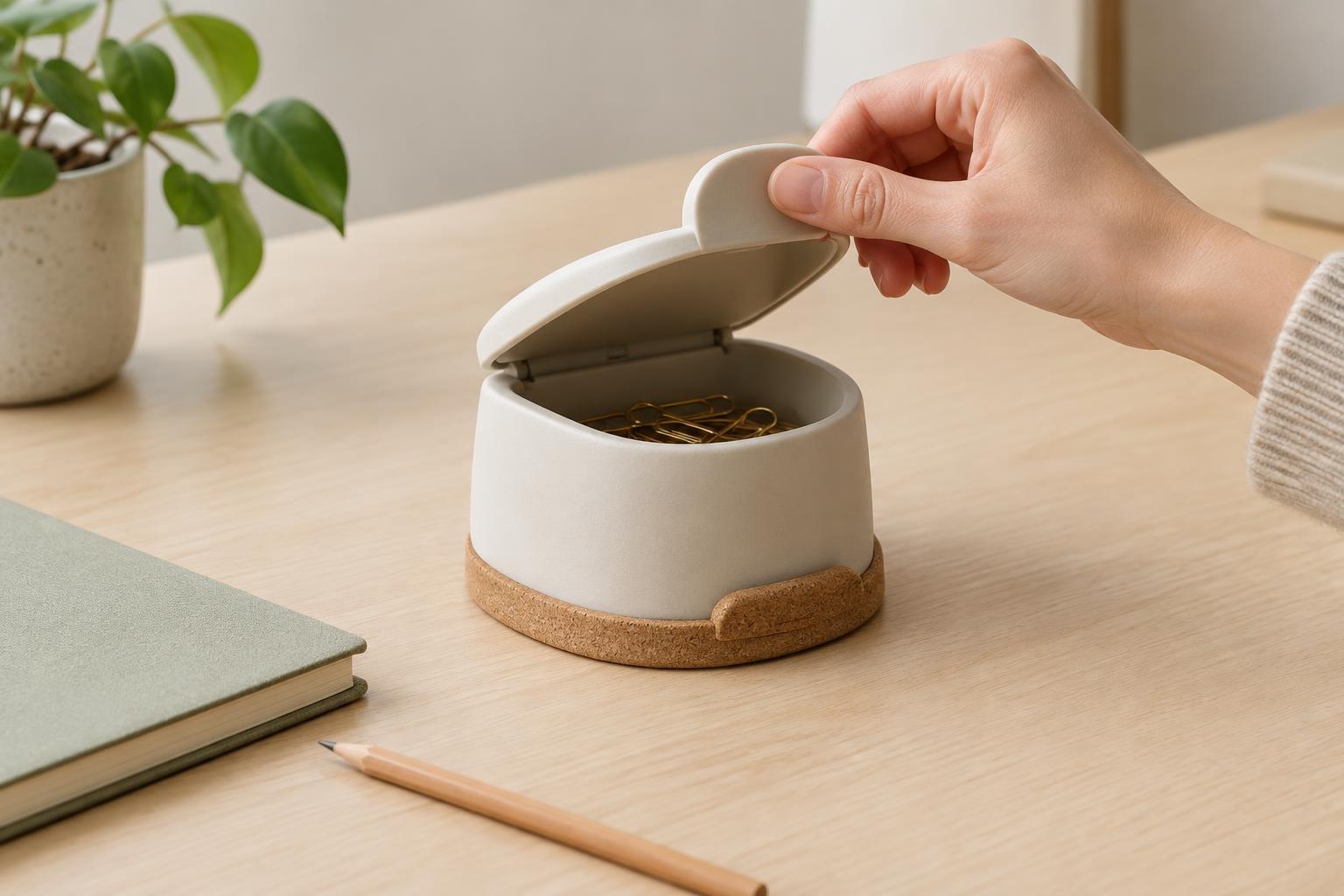
Everyday Product DesignA one-handed object is not simply a smaller two-handed one. It needs to stay put, offer a clear grip, and make each action manageable without a second hand to steady it. These principles can improve familiar items, from storage containers to desk accessories.
Read article · 4 min↗
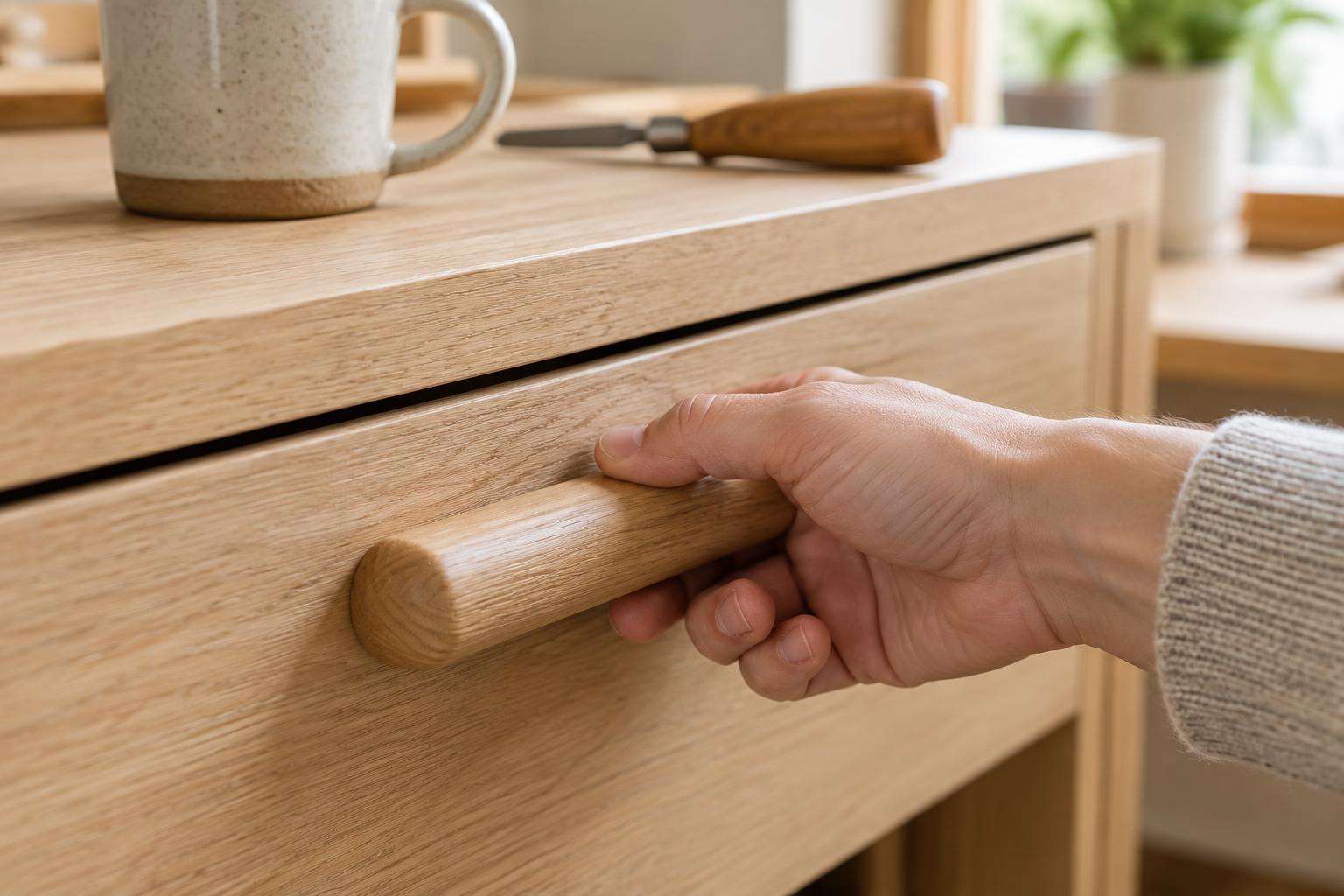
Everyday Product DesignA handle may look like a minor detail, but its size, clearance, and position shape how an object feels every day. Here is a practical way to examine handles on drawers, cabinets, tools, and containers.
Read article · 4 min↗
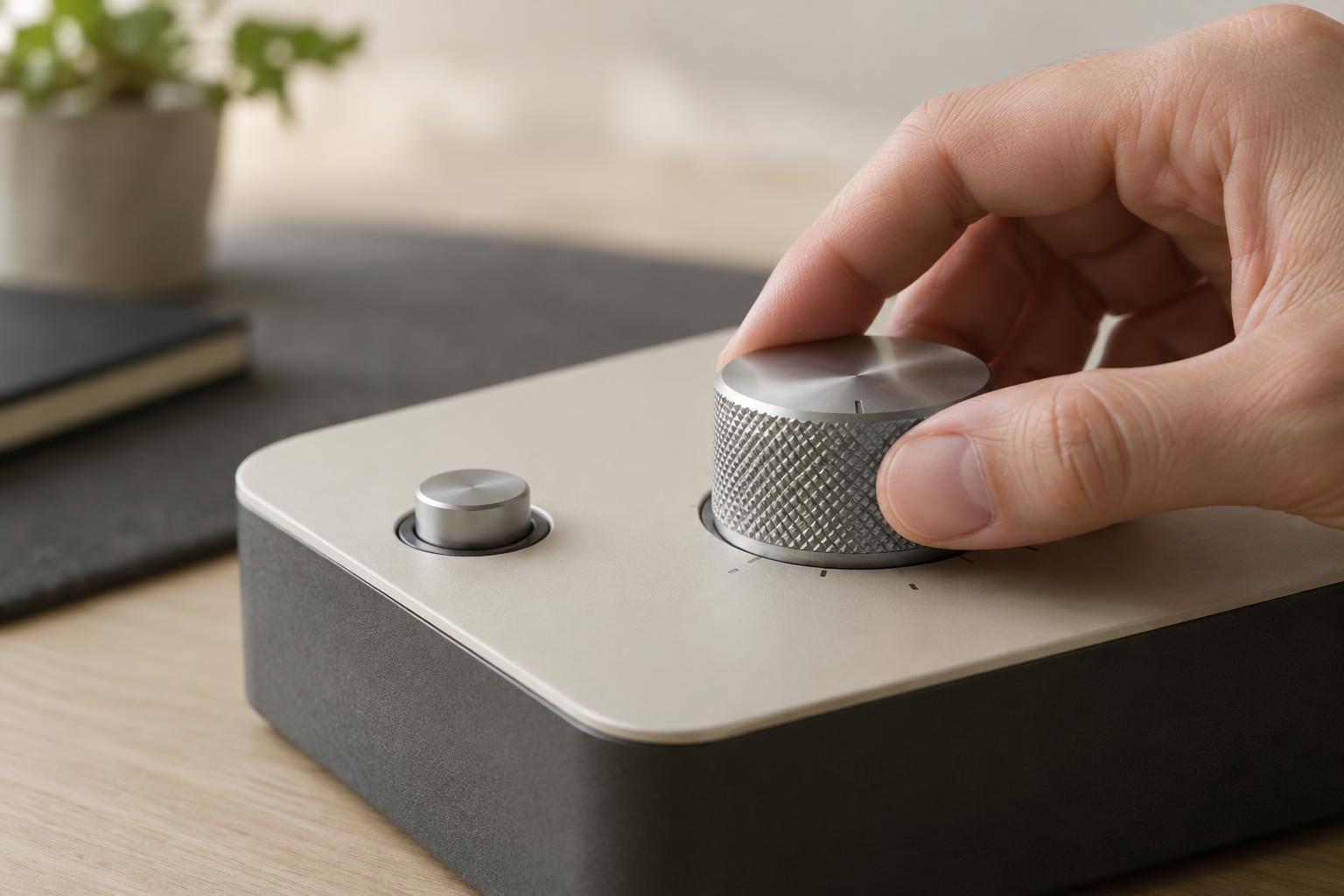
Everyday Product DesignA button or knob can tell you a great deal before you look at a screen. Explore how clicks, resistance, and movement help people understand everyday controls—and where those cues can mislead.
Read article · 4 min↗
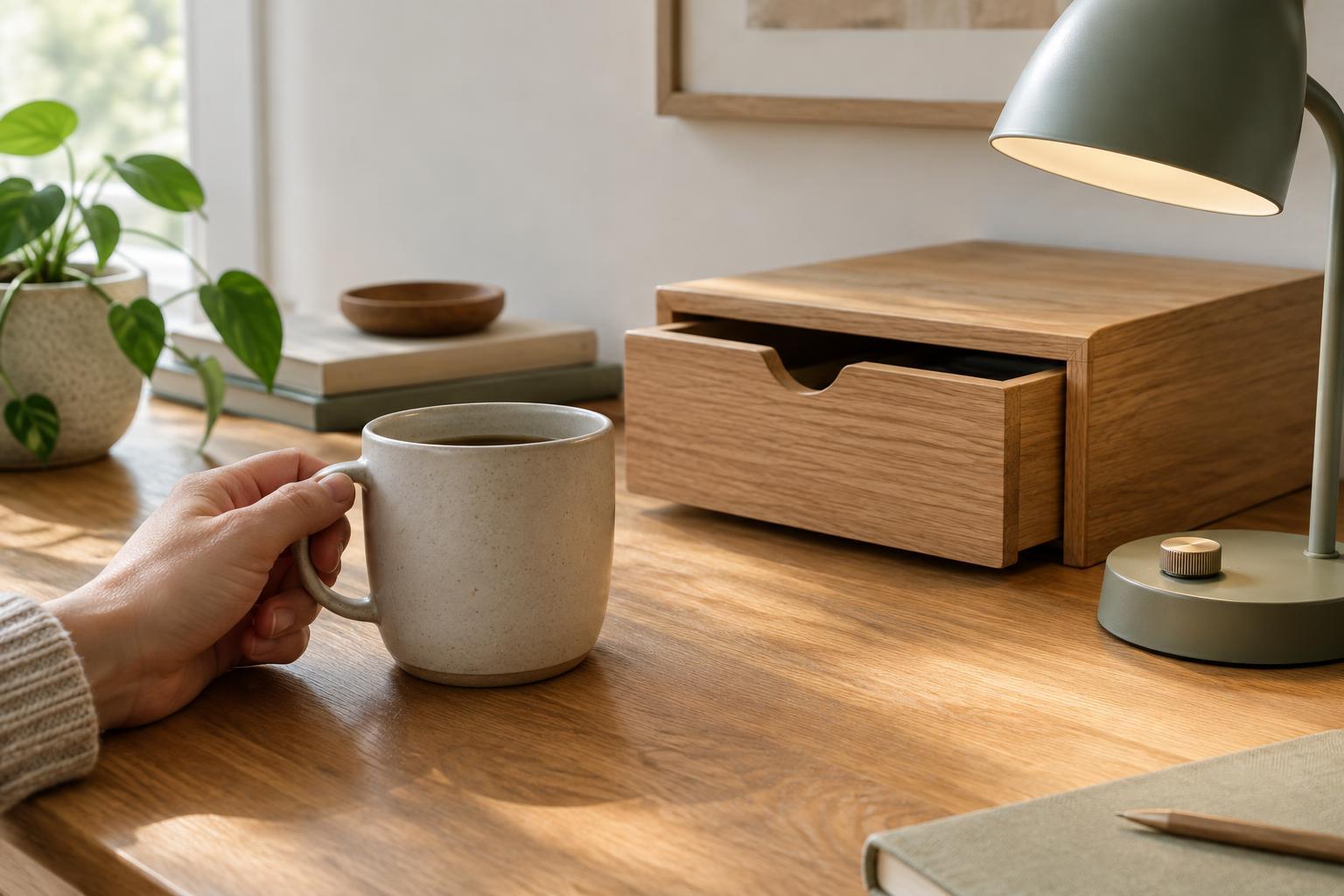
Everyday Product DesignAn intuitive object helps people see what they can do, where to act, and what happened next. Explore the roles of affordances, visual cues, feedback, and familiar conventions through ordinary household objects.
Read article · 4 min↗