Start with the whole task
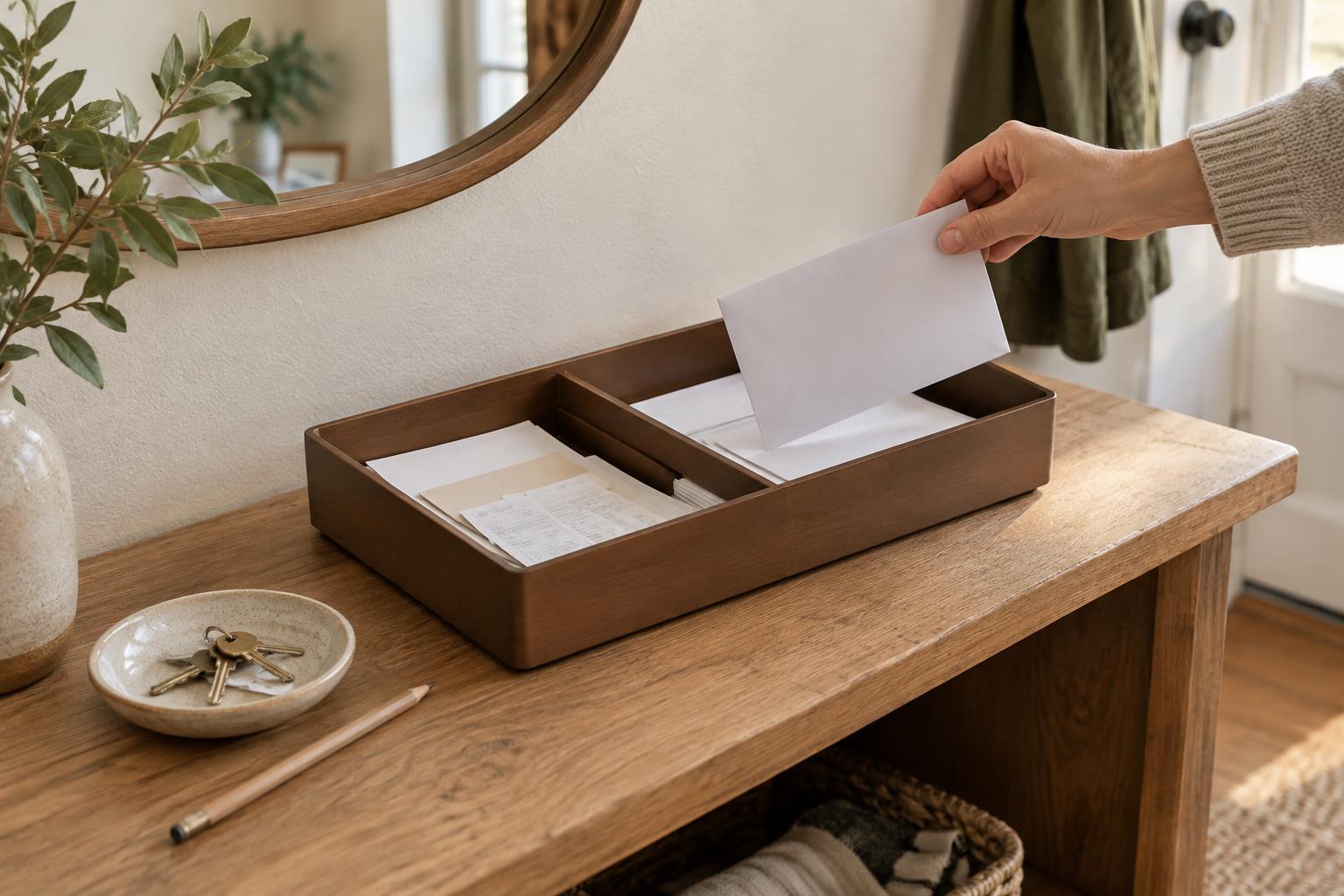
One-handed use is often treated as a question of grip: can someone pick this object up with one hand? That is only the beginning. A person may also need to open it, take something out, put it back, close it and return the object to its place. A container that is easy to lift but requires one hand to hold the base while the other twists the lid has not solved the whole task.
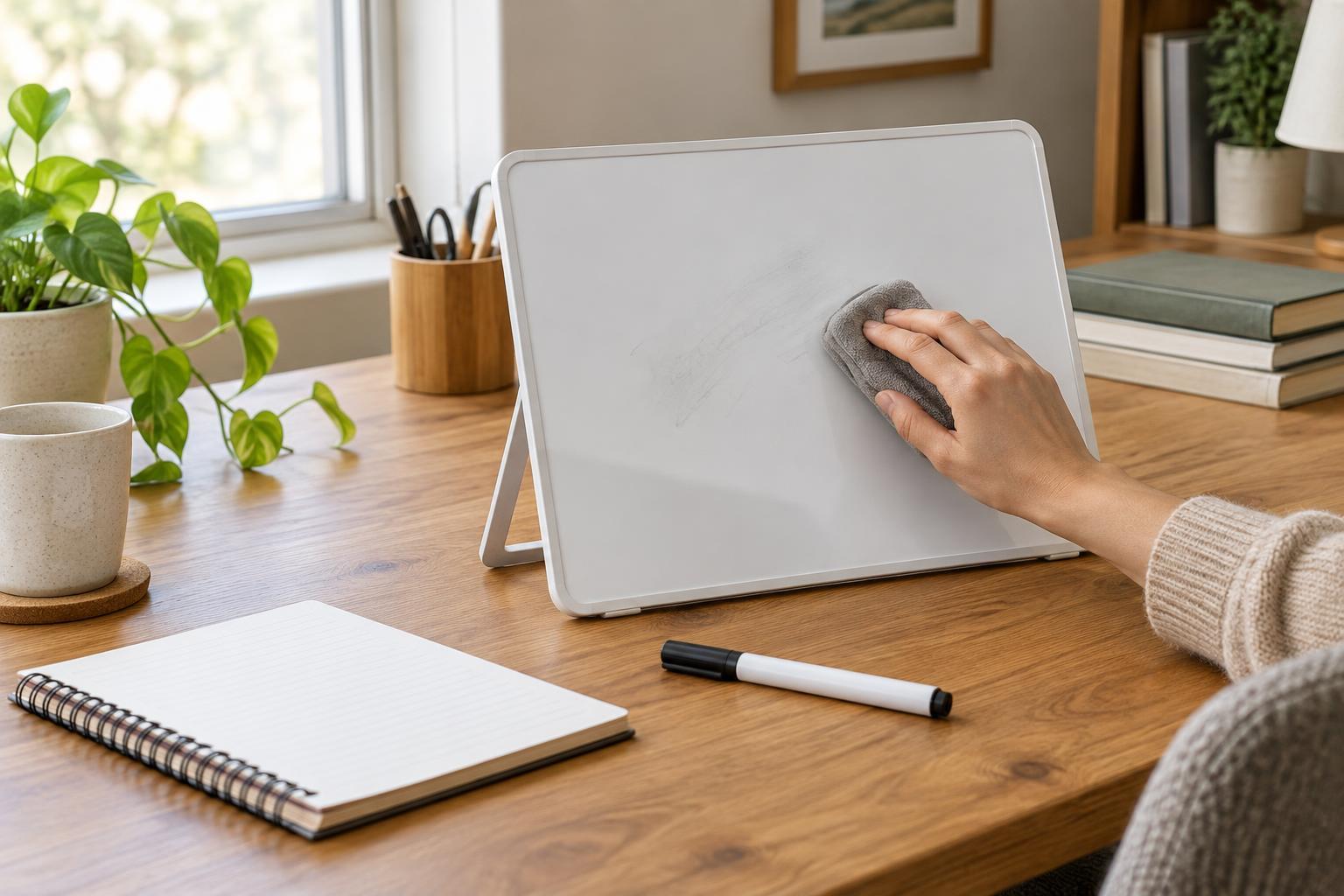
Watch for moments when the second hand quietly becomes necessary. It may steady a notebook while a page is turned, hold a dispenser while its pump is pressed, or keep a drawer from sliding as an item is removed. The reason for using one hand can vary: the other may be carrying something, occupied with a tool, or unavailable. Designing for that range of situations begins by mapping the complete sequence, not by focusing on one gesture.
Give the object something to push against
Many one-handed actions need resistance. If pressing a button makes the entire object skid across a table, the user must supply that resistance with a second hand. A broad base, a nonslip foot or a shape that sits securely against a surface can help. Position matters too: pressing down over the base is generally easier to manage than pushing sideways near the top of a tall, light object.
A desk tape dispenser illustrates the principle. Its cutting edge is only useful one-handed if the dispenser stays in place while tape is pulled and torn. Weight is one possible solution, but it is not the only one; a grippy underside or a form that can be braced against the desk may work better for an object that needs to be portable. Think of the tabletop, wall or shelf as part of the interaction, then check whether the object still works on the surfaces where people are likely to use it.
Make gripping and releasing straightforward
A grip should be easy to find without careful finger placement. Generous edges, a clear thumb area and surfaces that are comfortable to hold can make an object less demanding to operate. Deeply sculpted finger grooves may feel secure to one person but awkward to another, so a less prescriptive shape is often worth trying first.
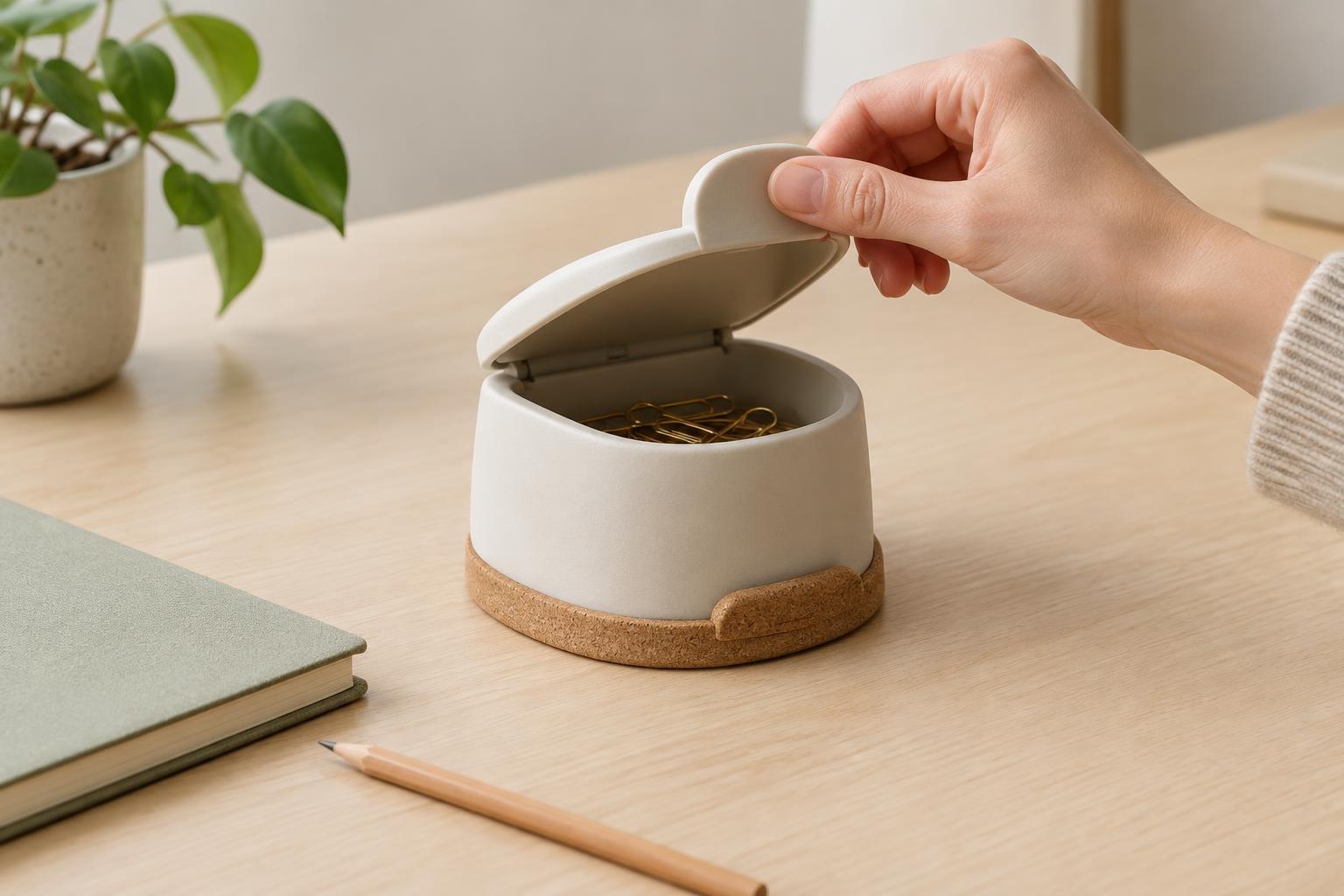
The effort required to hold an object also matters. A small, smooth lid can be harder to control than a larger tab that allows a finger to lift from below. If a product must be squeezed continuously to stay open, the user has less freedom to reach for its contents. A latch that remains open until deliberately closed may make the overall task simpler. Where a spring or magnet provides the holding force, aim for a clear, controllable action rather than a closure that snaps unexpectedly.
Reduce the number of simultaneous actions
Two-handed products often ask users to do several things at once: hold, align, pull and guide. A one-handed version can turn those into separate steps. A lid might hinge open and stay open, leaving the same hand free to retrieve an item. A catch might guide itself into position rather than requiring the user to line up two small parts while holding both.
Good feedback helps each step feel complete. A visible position change or a distinct, gentle stop can indicate that a drawer is shut or a latch is engaged. Controls should also make their direction of movement apparent: a broad lip invites lifting more clearly than an unmarked seam. The aim is not to add a mechanism to every object. It is to remove avoidable balancing, pinching and guesswork from the actions the object already requires.
Test the awkward moments, not just the ideal use
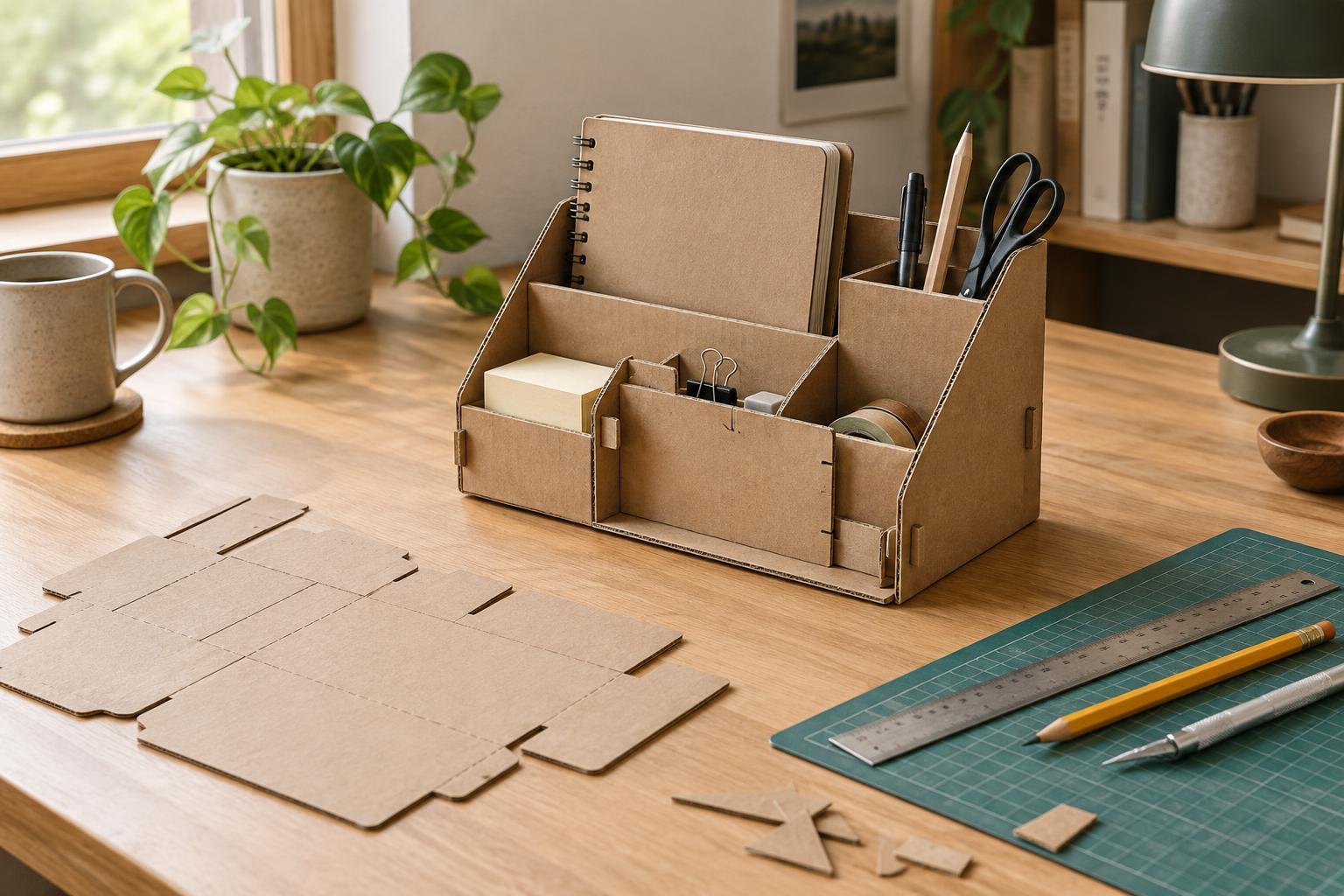
A simple prototype can reveal problems before details are refined. Cardboard can establish the size and reach of a tab; a rough mock-up can show whether a base tips during use. Try the complete task at a comfortable pace, then repeat it when the object is nearly empty, full, slightly out of position or placed near the edge of its usual surface. Notice when it rotates, slides or forces a change of grip.
Do not assume that testing with one hand represents every person who might benefit. Hand size, strength, dexterity and preferred movements differ. Invite people to describe where they hesitate, and treat different ways of completing the task as useful information rather than mistakes. The strongest design may not be the one that enforces a single perfect motion. It may be the one that offers several clear ways to hold, operate and set down an ordinary object.