Treat cleaning as part of the task
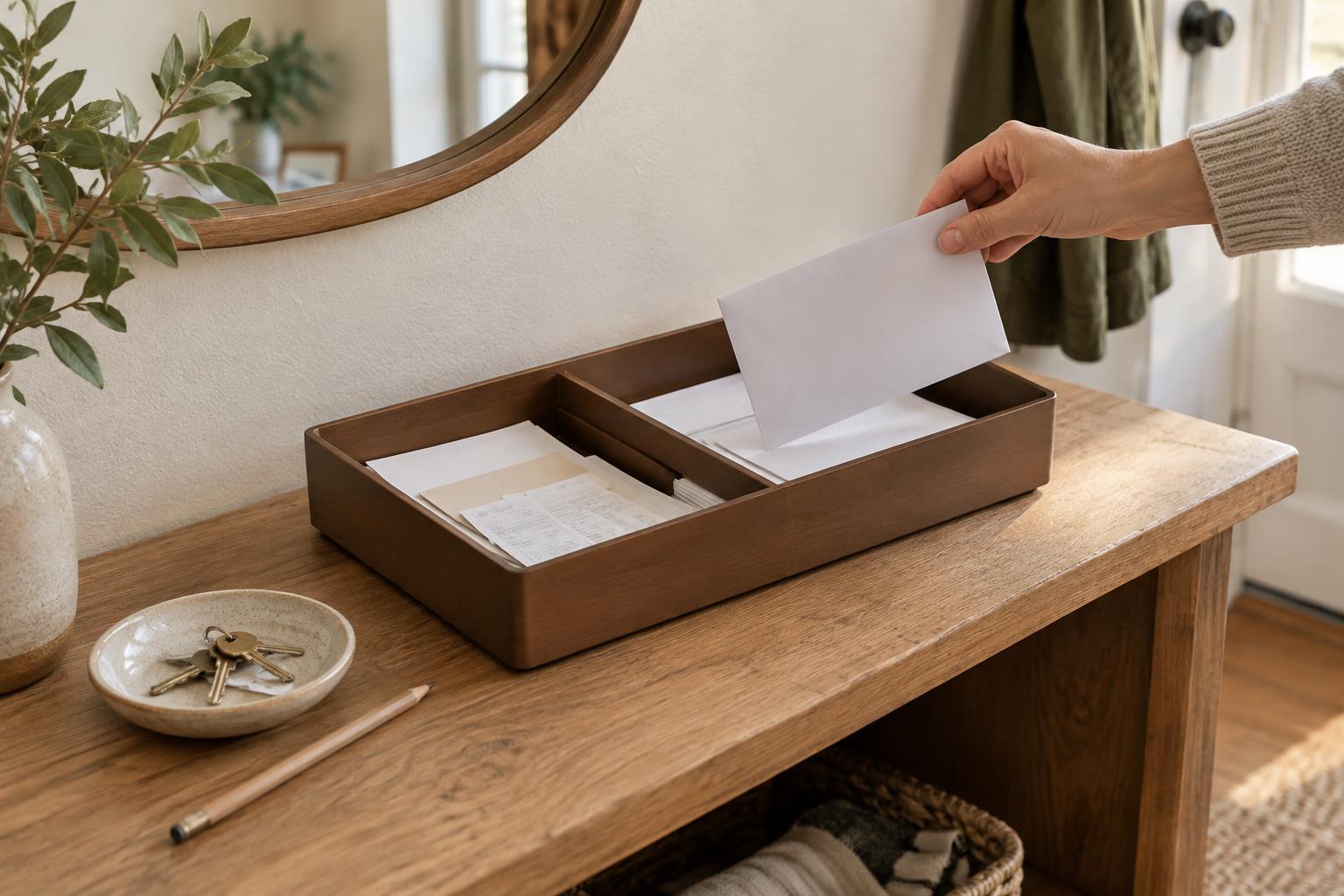
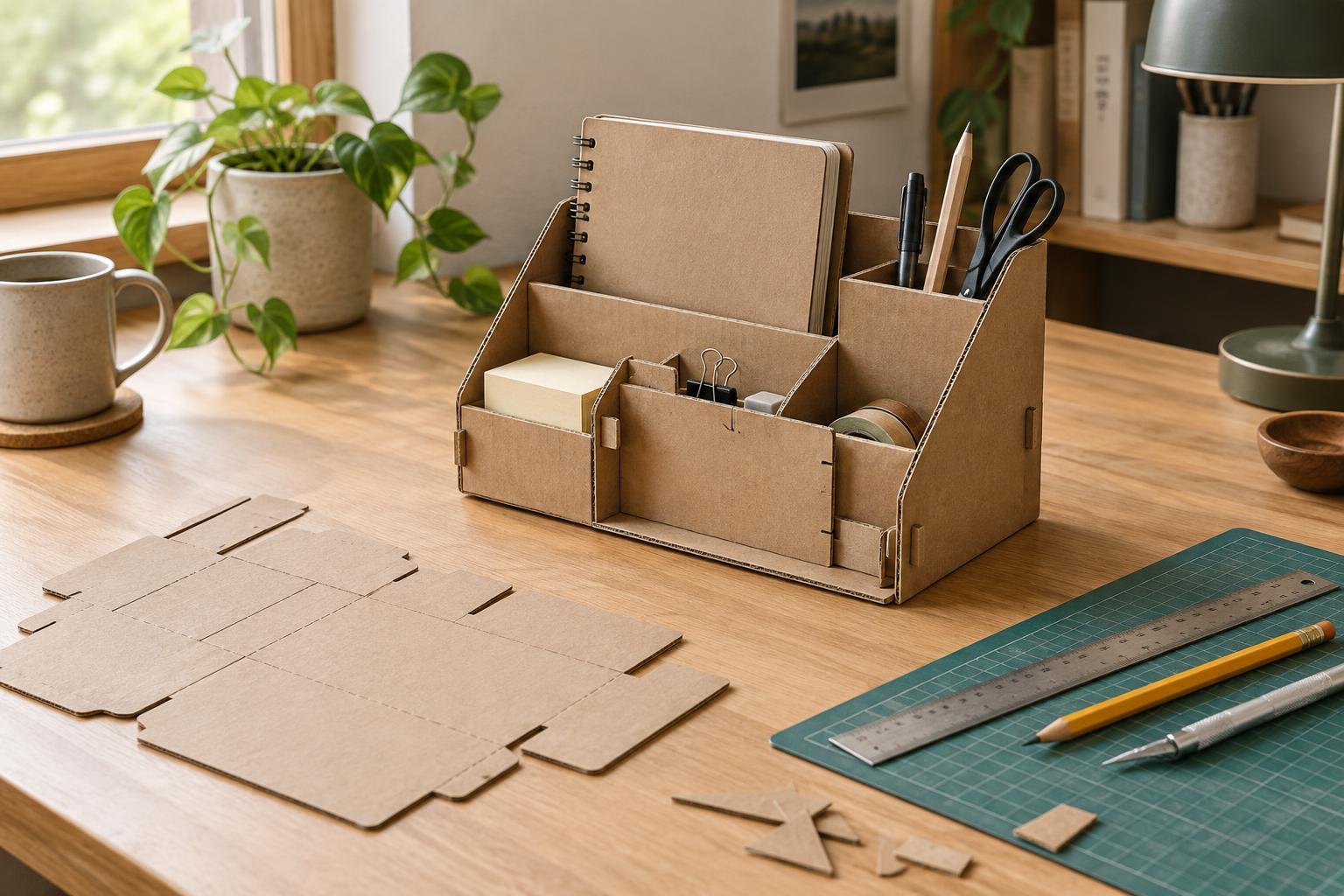
A desk organizer may hold everything in reach, but if its narrow compartments trap crumbs and dust, using it creates another job. The same tension appears in soap dishes, kitchen tools and storage containers. Good product design considers what happens after the main task: where residue lands, how someone reaches it and what the object needs before it can be used again.
Start by describing a likely cleaning routine in ordinary terms. Will the owner wipe the object in place, rinse it at a sink or take it apart? What might collect on it: dust, water, food or sticky residue? The answers help set a realistic goal. A dry desktop tray does not need the same treatment as a container used around food, but both benefit from surfaces that are easy to see and reach.
Give dirt fewer places to hide
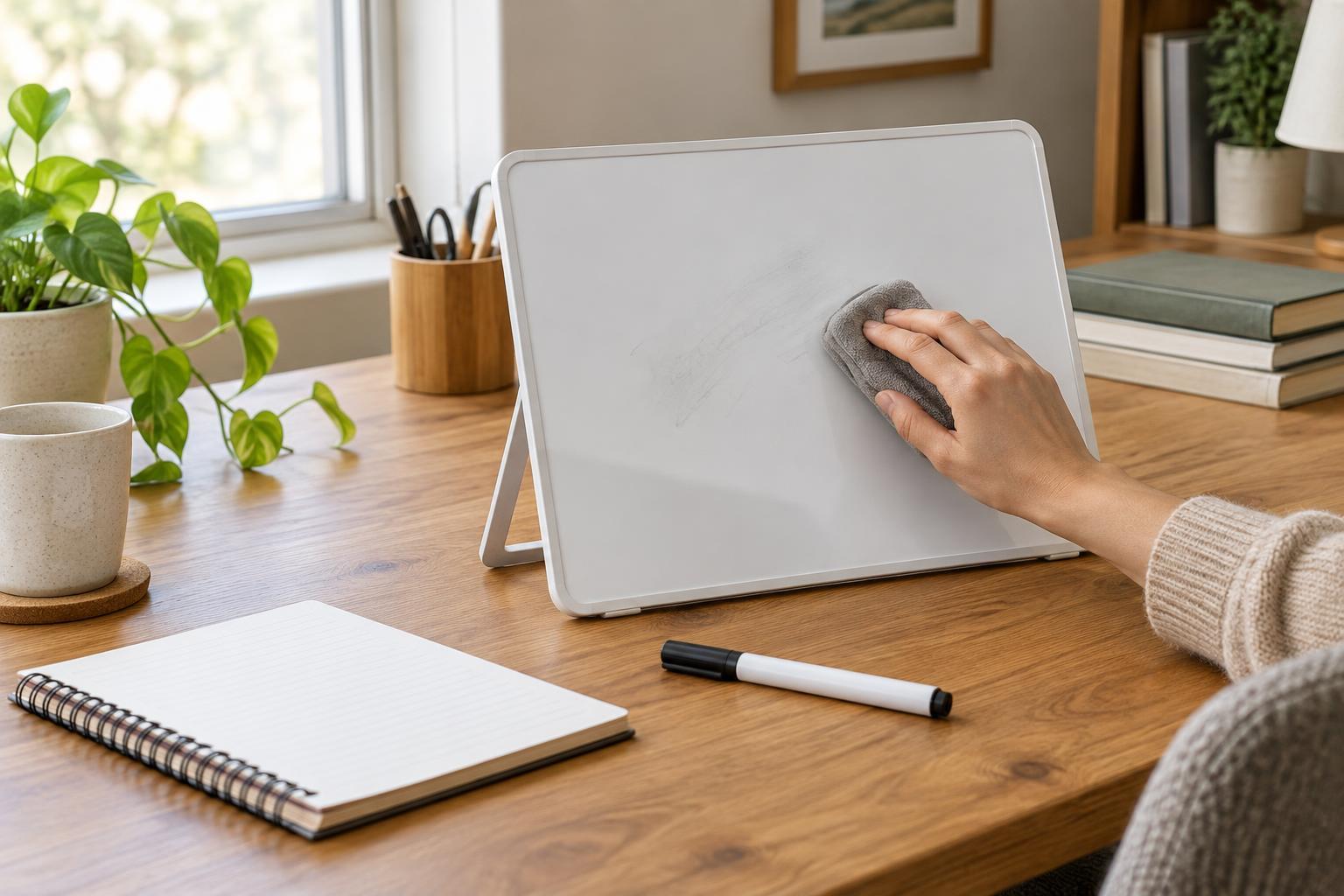
Shape often matters more than an impressive-looking finish. Deep corners, tiny grooves, exposed screw heads and closely spaced ribs can make a surface slow to clean. Where the object’s function allows it, use broad surfaces and gentle transitions instead. An open tray with rounded inside corners is easier to wipe than one divided by fixed, narrow channels.
Pay attention to the underside and the places where parts meet. A raised base may let someone wipe beneath an object without moving it; a base with several small feet may create more edges to work around. Neither choice is automatically better. The useful question is whether each detail earns the cleaning effort it adds. Even a decorative texture should be judged by how it feels under a cloth, not only by how it looks from a distance.
Choose materials and joints as a system
A smooth surface may wipe easily, but material choice alone cannot rescue a poor joint. A seam that admits water or holds residue can be awkward to maintain even when the surrounding surfaces are simple. Consider whether parts need to meet tightly, remain visibly separated or come apart for cleaning. Each approach can work if a person can understand how to clean and dry the meeting point.
Material finishes also affect the routine. A porous or rough surface may need more attention when exposed to spills, while a very glossy one may show fingerprints readily. Rather than choosing by appearance alone, handle a sample with the kind of cloth and cleaner the object is likely to encounter. Check the material maker’s care guidance before assuming that a finish will tolerate soaking, scrubbing or a particular cleaning product.
Make access and reassembly straightforward
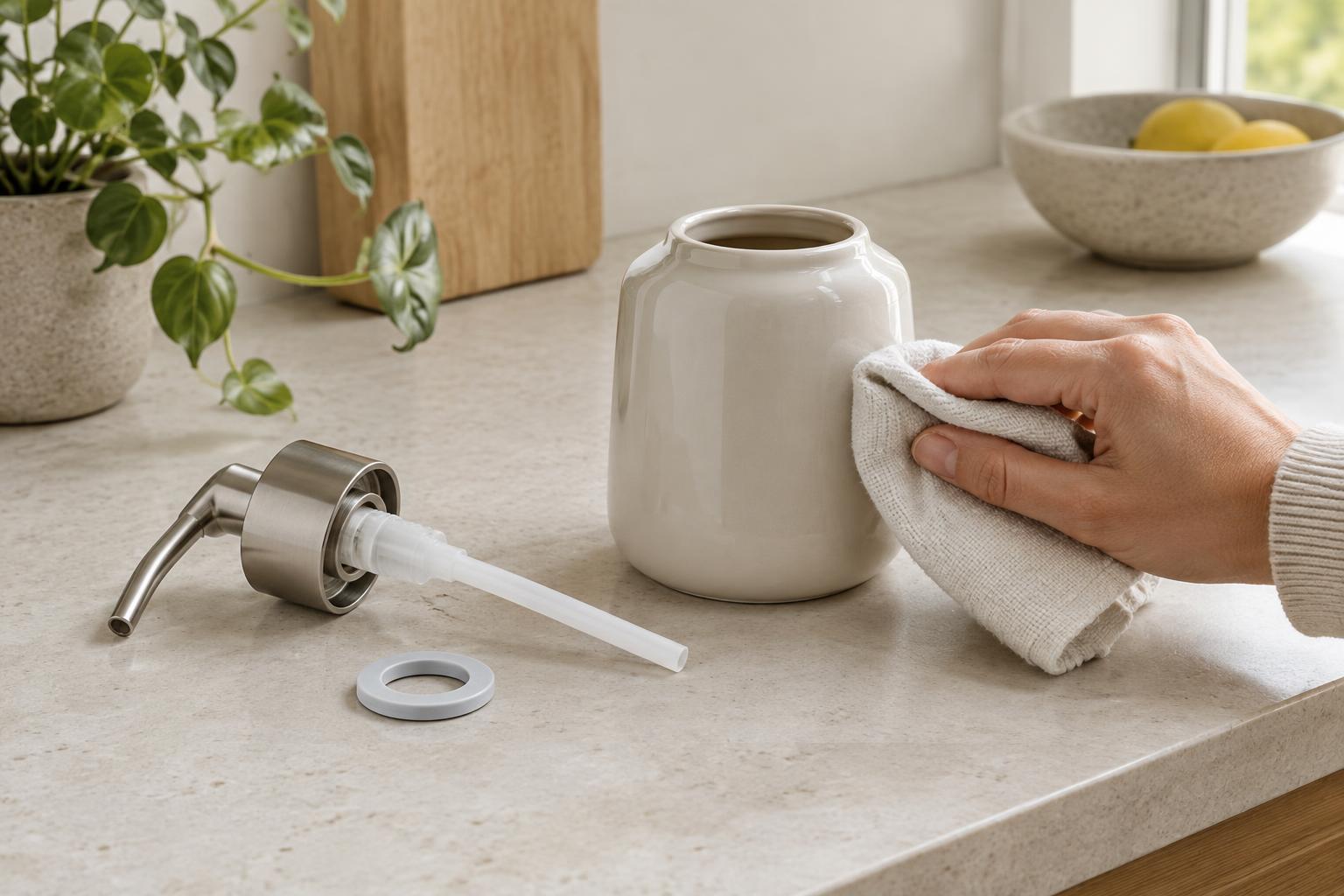
Removable parts can turn an inaccessible cavity into an easy-to-wipe surface, but disassembly has a cost. Small caps are easily misplaced, and a part that fits back only one obscure way can make cleaning feel like a puzzle. If a component must be removed often, give it a clear grip and an obvious orientation. Try to keep the number of loose pieces low.
Access also includes drying. An enclosed recess that is easy to rinse may still hold water afterward. Look for ways to let water drain, let air reach damp surfaces or let the user dry them with a cloth. These choices should suit the object’s normal position: a removable insert might be helpful in a sink-side holder, while an open, wipeable layout may be simpler for a desk accessory.
Test the whole routine, not just the first wipe
A quick prototype can reveal problems that a drawing misses. Put harmless stand-ins for likely messes on the object, let them settle as they might during use, then clean it using the intended method. Notice where the cloth catches, which surfaces remain out of view and whether moving or taking apart the object feels awkward. Repeat the test after handling it with wet hands or placing it in its usual surroundings.
Finally, weigh cleanability against the object’s other jobs. Removing every crevice is not a useful improvement if the object no longer grips, stacks or holds its contents well. The aim is not a featureless shape; it is an honest balance. When cleaning can be understood at a glance and completed without special effort, maintenance becomes part of ordinary use rather than a surprise built into the product.