Start with the journey, not the opening
A package must survive more than the moment it is opened. It may be stacked, carried, dropped or stored on its side before reaching the person who uses it. Protection might mean preventing a glass item from moving, keeping loose parts together or keeping moisture away from a paper product. The right opening depends on those needs. A tear strip that works well on a lightweight carton may be a poor choice for a heavy object that needs a sturdy handle.
The first design question is therefore: what must stay in place, and for how long? Separate essential protection from habits inherited from earlier packages. An extra layer may have a clear purpose, but it should not be added simply because it looks reassuring. Once the risks are understood, the designer can choose a structure that holds the product securely while giving the user an obvious way in.
Make the first move visible and reachable
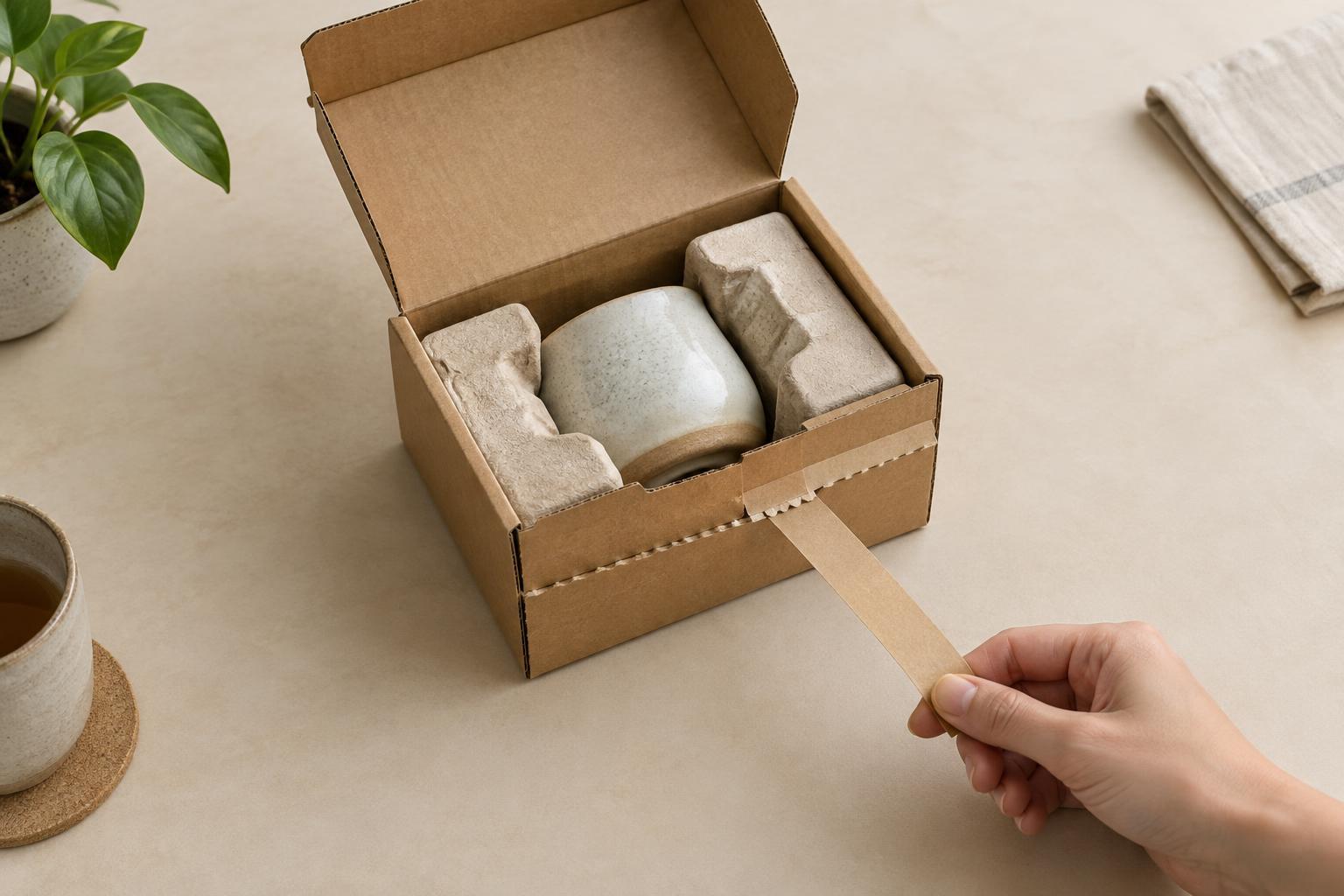
Opening often fails at the very first step. A tiny tab lies flat against a surface, a seam blends into a printed pattern or the only starting point sits beneath a tight fold. Someone may then reach for scissors or pull at the wrong edge. A good opening makes its starting point easy to see and leaves enough room to grip it. Contrast, a shaped cutout or a short instruction beside the tab can help, but these cues work best when the physical tab is usable.
Grip matters as much as visibility. A pull tab should have enough exposed area for fingertips and should not require a sharp pinch to hold. If the package is likely to be opened on a counter, it should sit steadily while someone pulls. Rounded edges and a predictable pulling direction make the action easier to control. These details can benefit anyone opening a package with wet hands, limited strength or one hand occupied.
Control the force, then control what happens next
A seal needs to stay closed in transit, but its resistance should suit the intended opening method. If the user must pull harder and harder without knowing whether anything is happening, the package feels stuck. Perforations can guide a tear; a peelable seal can separate along a planned edge; a scored carton can bend where it is meant to bend. None is automatically easy-open. The material, adhesive and direction of force have to work together.
The moment a seal gives way also deserves attention. A strip that snaps free suddenly may send loose contents across a table. An opening that tears through the product label can make later use confusing. It helps to design a stable second step: a flap that stays open, an inner tray that slides out without tipping or a pouch mouth wide enough to reach inside. Easy opening means reaching the contents safely, not merely breaking the outer seal.
Use protection where it does the most work
Making a package easier to open does not require leaving its contents exposed. Structural supports can protect vulnerable points while keeping the opening path clear. A folded insert may stop an object from shifting; a molded recess may hold a small item apart from the outer wall. The aim is to place material where it prevents likely damage, rather than wrapping every surface so tightly that removal becomes another task.
Think about the order in which someone encounters each layer. Can the outer box open without cutting toward the product? Can an insert be lifted without prying under a delicate edge? Are small components visible before they can fall out? A simple unpacking sequence is particularly useful when a product has several pieces. When protection and access are designed together, the user need not choose between keeping the object intact and getting it out.
Test the package as an experience
A drawing can show where a tab belongs, but a rough physical mock-up reveals how it behaves. Try opening it without tools, then watch someone unfamiliar with the package do the same. Notice where they look first, whether they rotate the pack and when they change their grip. Test with the actual or a similar-weight product inside: an empty carton may open neatly while a filled one twists or tips.
After a test, ask specific questions. Was the starting point clear? Did the package stay steady? Did opening require an awkward movement, and did the contents remain supported afterward? Revise one feature at a time so it is easier to see what improved. The strongest easy-open designs rarely depend on a clever trick. They make the expected action apparent, give the hand a workable place to start and protect the product throughout the journey to use.