Start with the journey, not the mechanism
A portable product does more than perform its main task. It must also fit somewhere between uses, survive being carried, and be ready when needed. A reading light might travel in a bag, move between rooms, or simply tuck into a drawer. Each journey puts different pressure on its shape. Before deciding whether it should fold or extend, describe where it goes, how often it moves, and what surrounds it in transit.
Measure the space the object actually needs to occupy, including its handle, cable, case, or other loose parts. Then consider the space it needs when open. A compact packed shape is useful only if the product still offers a comfortable grip, stable base, or adequate reach in use. If it is carried once a month, a little extra bulk may be acceptable. If it is packed several times a day, quick setup and few loose parts may matter more than the smallest possible dimensions.
Choose fixed when readiness matters most
A fixed form keeps the same basic shape in storage and in use. Its main advantage is simplicity: there are no joints to align, tubes to extend, or locks to check before starting. That can make a fixed object easier to understand, clean, and handle. A solid desk brush, for example, may be worth its full-length footprint if it is picked up frequently and stored within reach.
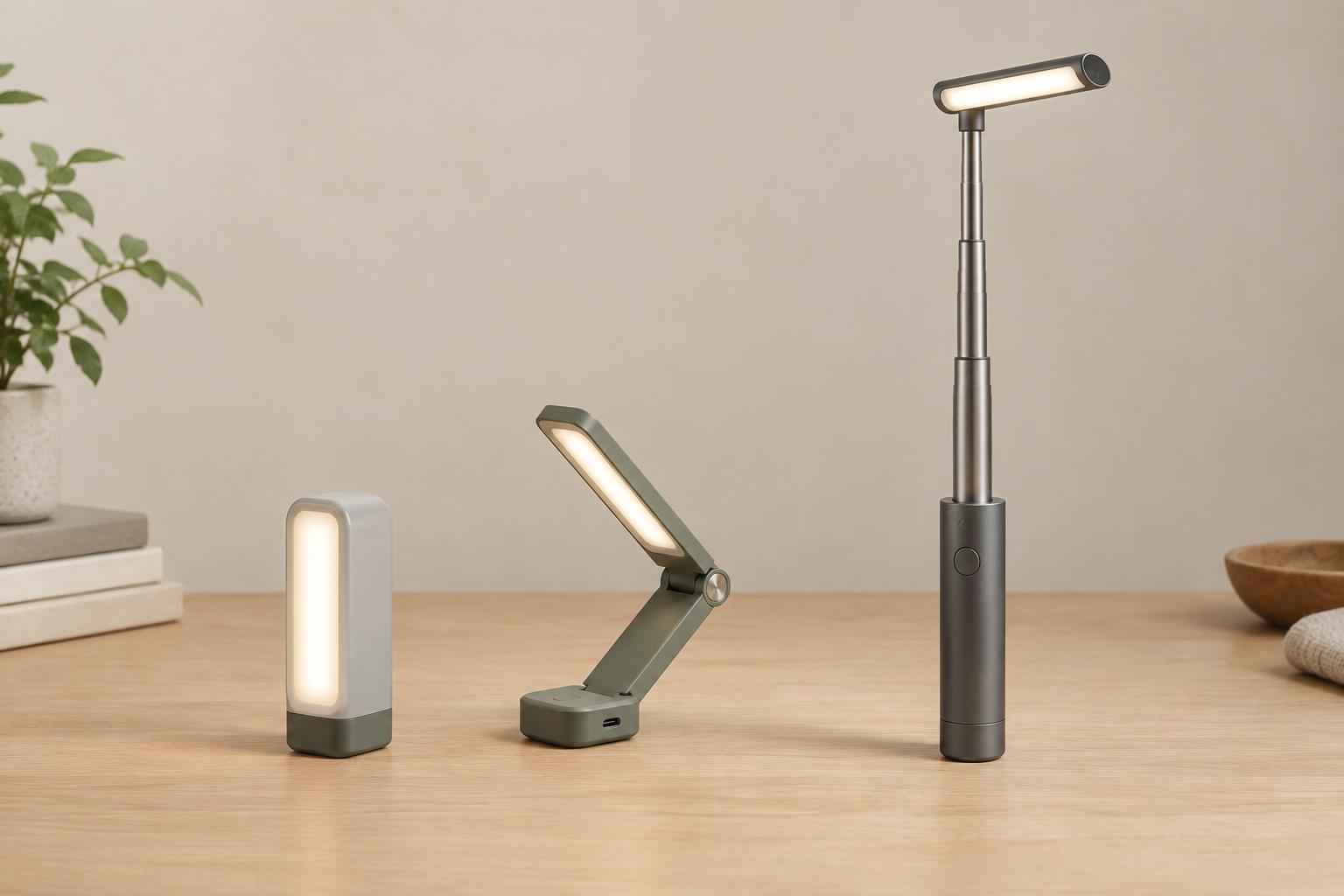
Fixed does not have to mean bulky. A slim profile, a nesting outline, or a carefully placed hanging point can make an object easy to carry without changing its structure. Look for ways its shape can use otherwise empty space in a bag or drawer. The trade-off is clear: if the working dimensions are much larger than the available storage space, refining the outline may not be enough. Avoid adding a mechanism solely to make the product look portable; add one only when the space it saves is useful.
Use folding to change direction
Folding works well when a long or wide working shape can be divided into parts that lie alongside one another. It can also protect a delicate surface by turning it inward. Think of a stand that folds flat against its support, or a handle that swings over a tool head. The hinge gives designers considerable freedom over the packed shape, but it also introduces a decision: where should the moving part stop?
A fold that opens too far may feel unstable; one that stops short may be awkward to use. Check the object at every stage of movement, not just fully open and fully closed. Fingers need room around the hinge, adjacent parts should not collide, and the product should not unexpectedly unfold in a bag. A simple latch or deliberate resistance can help, but each added piece needs space and may collect dirt. If the open product must resist twisting or heavy pressure, consider how that load passes through the joint rather than assuming the hinge alone will carry it.
Use telescoping when reach must vary
Telescoping parts slide within one another, making them useful when the working length needs to change rather than merely pack down. An adjustable pointer, compact pole, or extendable handle can serve users and situations that require different reaches. The nested sections can remain in line, which may make the packed object easier to place in a narrow sleeve.
That convenience depends on how well the sections slide and lock. Too much looseness can make the extended object wobble; too tight a fit can make adjustment frustrating, especially when dust or grit enters the gaps. Think about whether a user needs several set lengths or smooth adjustment, and whether they must change the length with one hand. Stops should keep sections from separating by accident. The longest setting deserves particular attention: it may offer the reach people want while also making bending and wobble more noticeable.
Compare the complete experience
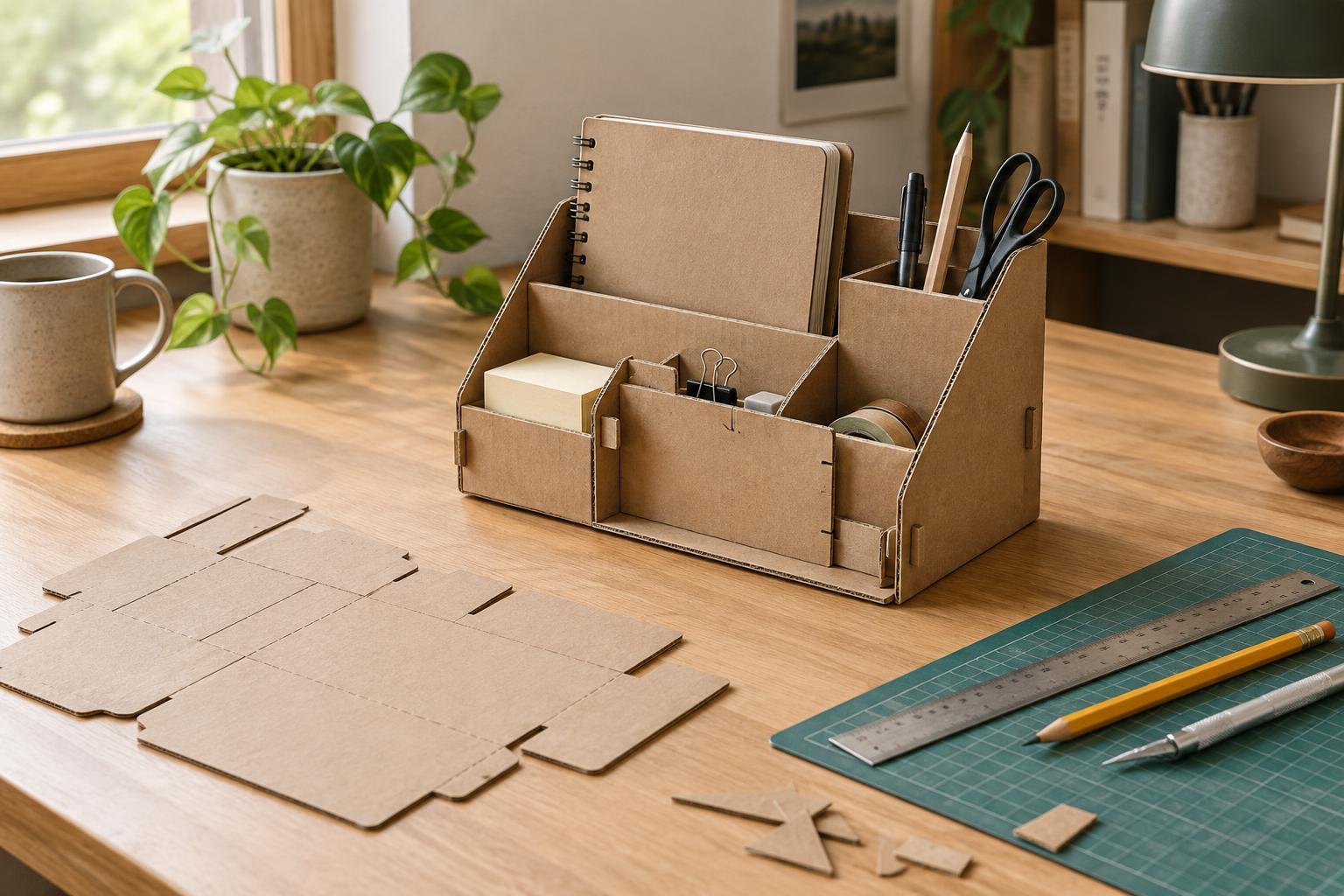
To choose among the three forms, make rough models and run the same short routine with each one: take it from storage, set it up, use it, put it away, and repeat. Card, scrap material, or simple joined shapes can reveal whether a fold needs more clearance or a fixed handle is easier to carry than expected. Record the packed dimensions, but also note where hands naturally go and which steps require attention.
Finally, consider what happens after repeated everyday use. Can surfaces be wiped clean? Are moving parts exposed to dirt? Could a worn component be reached or replaced, or would the whole object become difficult to use? A fixed form may win by being ready and robust; folding may best balance working size and storage; telescoping may justify its complexity when adjustable reach is central to the task. The strongest choice is the one that makes both use and transport feel straightforward, not simply the one that packs smallest.