Start with the space the bin must pass through
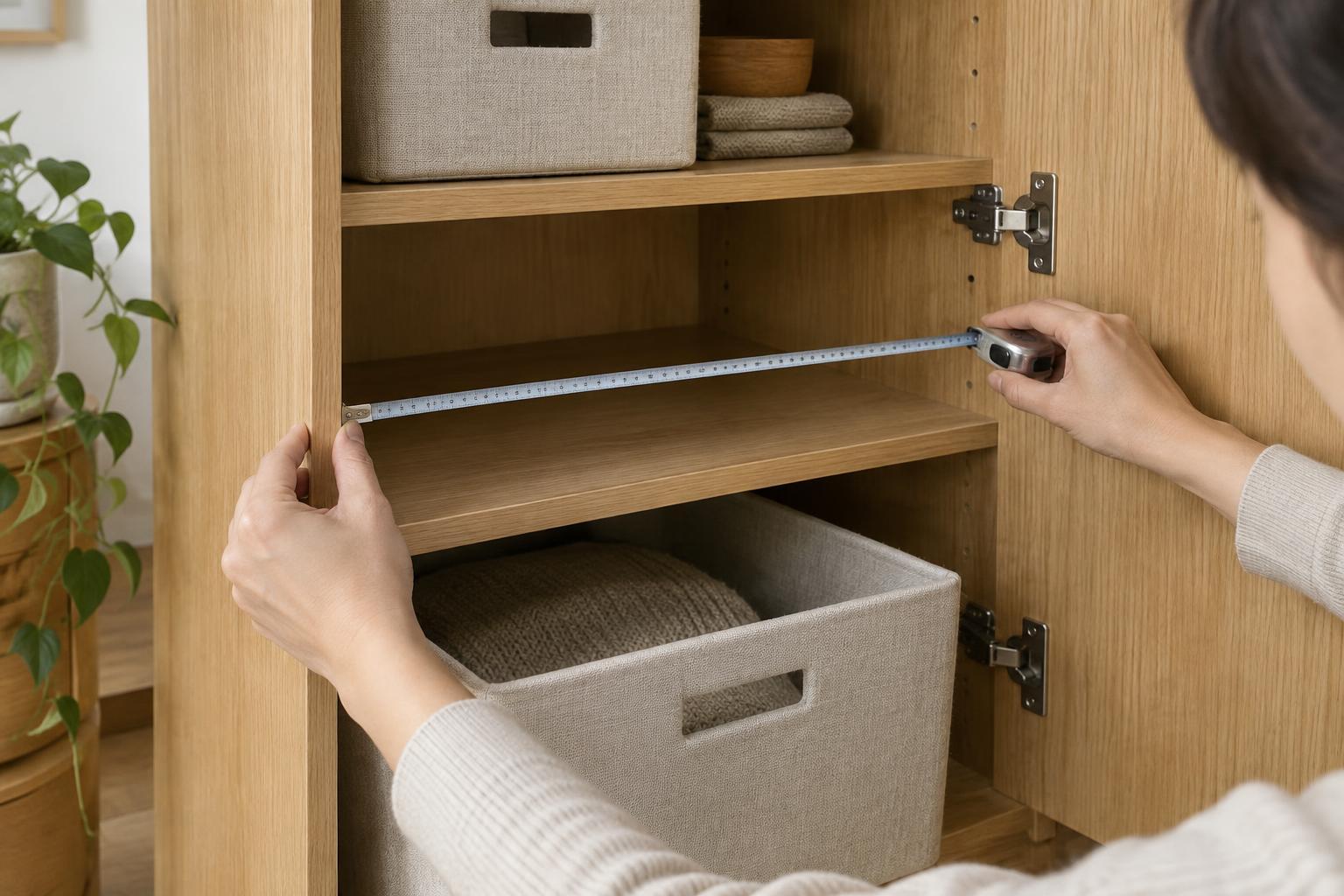
The inside of a cabinet is not always the same size as its opening. A face frame, door hinge or sliding-door track can make the route onto a shelf narrower than the shelf itself. Measure the clear width and height of the opening first, with the door in the position it will be in when you use the bin. If the bin needs to pass a hinge or door edge at an angle, note that restriction too.
Next, measure the usable width of the shelf at both the front and back. Cabinets can have trim, pipes or uneven walls that reduce the available space in one spot. Record the smaller measurement when planning a close fit. For an open shelf, look for brackets, uprights or a lip along the front. These may not take up much shelf area, but they can affect how easily you lift out a container.
Measure depth and height for movement, not just placement
Measure shelf depth from the front edge to the back wall or the first obstruction. Then ask whether the full depth is useful. A deep bin may disappear behind a cabinet frame, while one placed under a counter overhang may be hard to grasp. For a pull-out bin, check the space directly in front of the shelf as well as the space behind the closed door.
Measure vertical clearance from the shelf surface to the shelf above, or to the lowest hinge, rail or other obstacle. A bin that matches this height exactly may fit only when tilted, leaving no room for fingers or for items that rise above its rim. If you plan to stack bins, include the height of every bin and lid in the stack. Adjustable shelves can provide more room, but check where the shelf can actually be repositioned before relying on that option.
Compare the bin’s outside dimensions
Storage bins are often described by their capacity or by a set of length, width and height measurements. For fitting purposes, use the outside dimensions at the bin’s widest points. A rim, handle or lid can extend beyond the body. Tapered sides create the opposite problem: the base may fit neatly while the wider top catches on a frame or neighboring bin. If dimensions are unclear, measure the bin in person or check a product drawing before committing to several.
Decide which direction the bin will face. Turning a rectangular bin may help it fit, but it can also put the handle against a wall or make a label difficult to see. When arranging multiple bins side by side, add their outside widths and allow a little space between them. A plan that uses every bit of measured width leaves no allowance for slight measurement differences or for pulling out one bin without disturbing the others.
Leave clearance where your hands need it
A useful fit is not always the tightest fit. Leave enough space above a bin to grip its handle, lift its lid or see its contents, depending on how you intend to use it. Leave side clearance if you will pull it out frequently. You may need less access around a bin holding rarely used supplies than around one you reach for every morning.
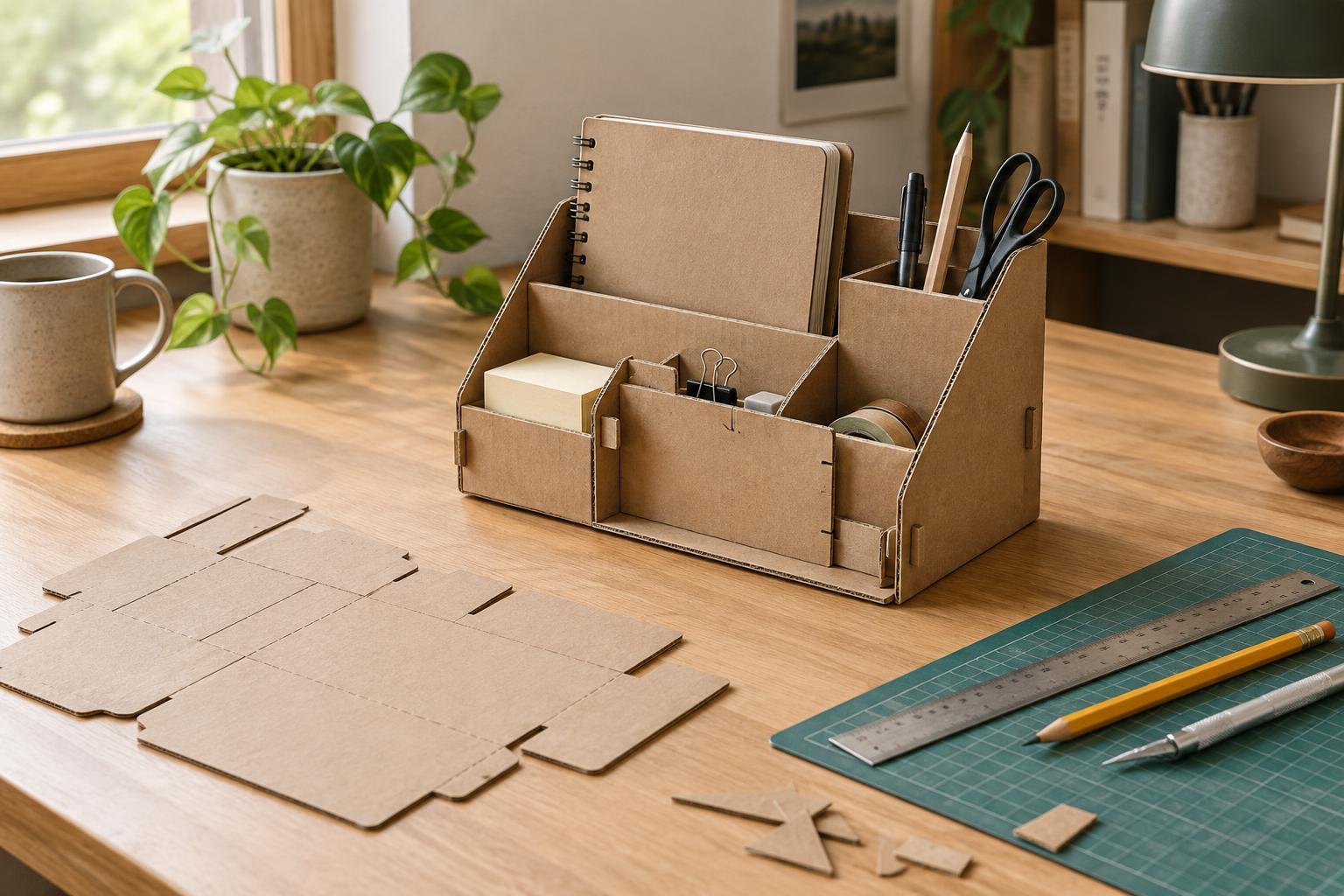
Think about weight and reach as part of the layout. A large bin at the back of a high shelf might technically fit but be difficult to remove once full. Smaller bins can make deep or elevated storage easier to manage. Before buying, you can make a simple cardboard template of a candidate bin’s outer footprint and move it through the opening. A box of similar height can help you test whether there is room to grasp and lift it.
Make a short measurement record before shopping
For each shelf, write down the clear opening width and height, usable shelf width and depth, and vertical clearance. Sketch the position of hinges, pipes, brackets or other obstacles, and mark which way the door swings. Keep these space measurements separate from any bin dimensions you are considering; that makes comparisons easier when you encounter several promising options.
Finally, note what the bins will hold and how often you will use them. The measurements tell you what can fit, but the routine tells you what will work. Choose bins that can enter the space, sit securely and come back out without a struggle. If you are uncertain between two sizes, a slightly smaller bin often leaves more flexibility for changing contents or rearranging the shelf later.