Look at the object in motion
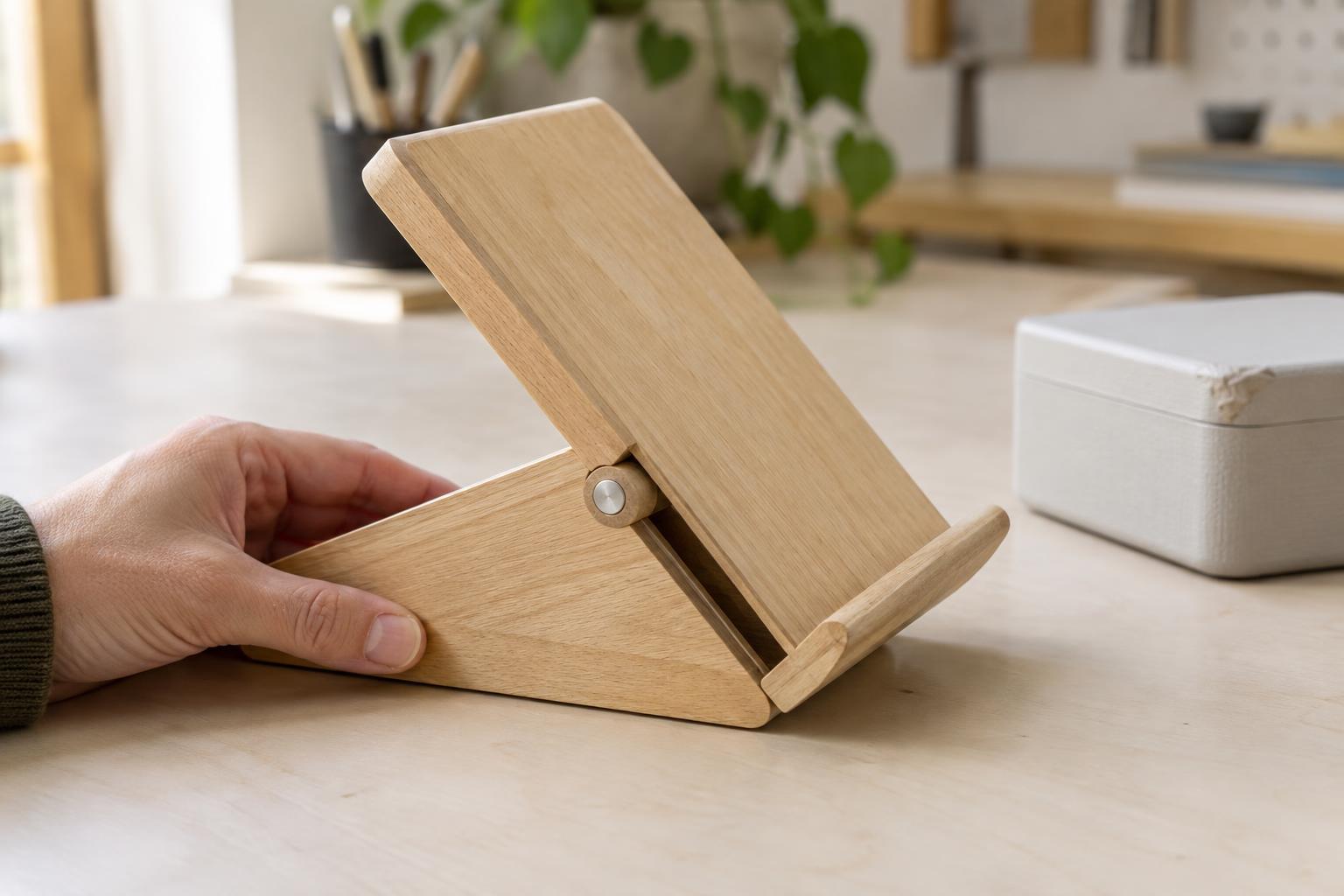
A product can look smooth and harmless while sitting still. Pinch points often appear only when a part slides, folds, rotates, or closes. Think of a desk lamp hinge, a folding laptop stand, or the gap between a drawer front and its frame. As the parts move, a space that easily admits a finger can become much narrower.
To inspect an object, move each part slowly through its full range while keeping your fingers clear. Watch the gaps from more than one angle, especially near hinges, rails, lids, and joints. Notice whether a gap closes against a hard surface or whether two parts pass close to each other. Then ask where someone would naturally place a hand to operate the object. A narrowing gap matters more when it sits beside the handle or another obvious gripping area.
Follow the path of a hand
Consider the whole task, not just the intended grip. A person opening a storage box might steady it with one hand and lift the lid with the other. Someone adjusting a chair arm might reach under it without looking. These ordinary supporting movements can put fingertips in places the designer did not mean to use as handles.
Try walking through common actions without rushing: pick the object up, set it down, open it, close it, adjust it, and carry it. Note where palms rest and where fingers curl around corners. If a moving part can close while a hand is in one of those positions, the design may need a clearer grip, more separation, a guard, or a change to the movement itself. Do not test a suspected pinch point by putting a finger in it.
Check edges in context
An edge does not need to look knife-sharp to be uncomfortable. A thin metal lip, a rough plastic seam, or the exposed corner of a sheet material can press into skin during a firm grip. Edges on parts that slide past a hand deserve attention too: a burr or splinter may catch even if the surface feels acceptable when touched lightly.
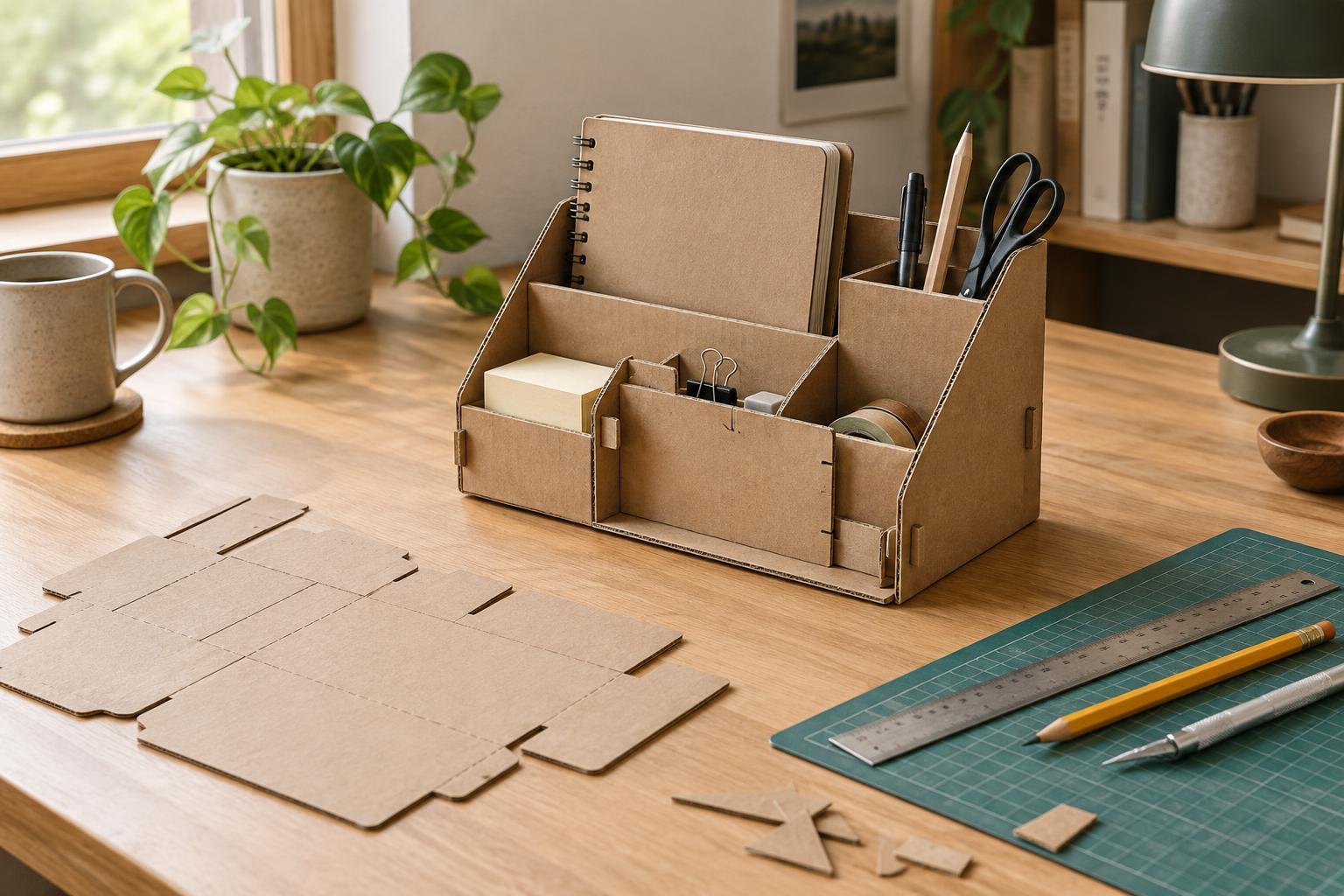
Inspect the areas people are likely to touch, including undersides and openings. Look for uneven cut lines, chipped coatings, raised seams, and corners that concentrate pressure. Where appropriate, use a soft cloth to check for snagging rather than dragging bare skin across an unknown edge. Also consider the material and use: a rounded wooden corner may feel different from a similarly shaped metal one, and an edge that seems fine on a shelf may be awkward on an object carried by its sides.
Design around predictable contact
A useful improvement often begins by moving the hand away from the hazard. A handle can give fingers a consistent place to go; a recessed grip can keep them away from a closing lid. Wider spacing around a hinge or a cover over a joint may help prevent access to a narrowing gap. For sharp or uncomfortable edges, options include rounding a corner, folding a metal edge, refining a cut, or adding a durable edge treatment suited to the material.
These changes need to work throughout the product’s life. A cover that slips off, a thin coating that wears through, or a grip that is hard to reach may not solve the underlying problem. Changes can introduce trade-offs as well: rounding an edge may alter how parts fit, while adding a guard may make cleaning harder. Recheck the full movement and ordinary handling after any revision.
Make a repeatable inspection habit
When comparing or developing everyday objects, use a short routine. First, identify every moving part and the gaps around it. Second, trace likely hand positions during setup, use, adjustment, carrying, and storage. Third, inspect touchable edges and seams under good light. Finally, repeat the check after the object has been assembled or adjusted, since alignment can change where parts meet.
Pay extra attention when an object is likely to be used without close visual attention or by people with different hand sizes and grip strengths. A quick personal inspection cannot establish that a product is safe for everyone, but it can reveal avoidable problems early. The goal is to make the comfortable way to use an object the obvious way, while keeping fingers away from closing gaps and unforgiving edges.