Start with the job the object must do
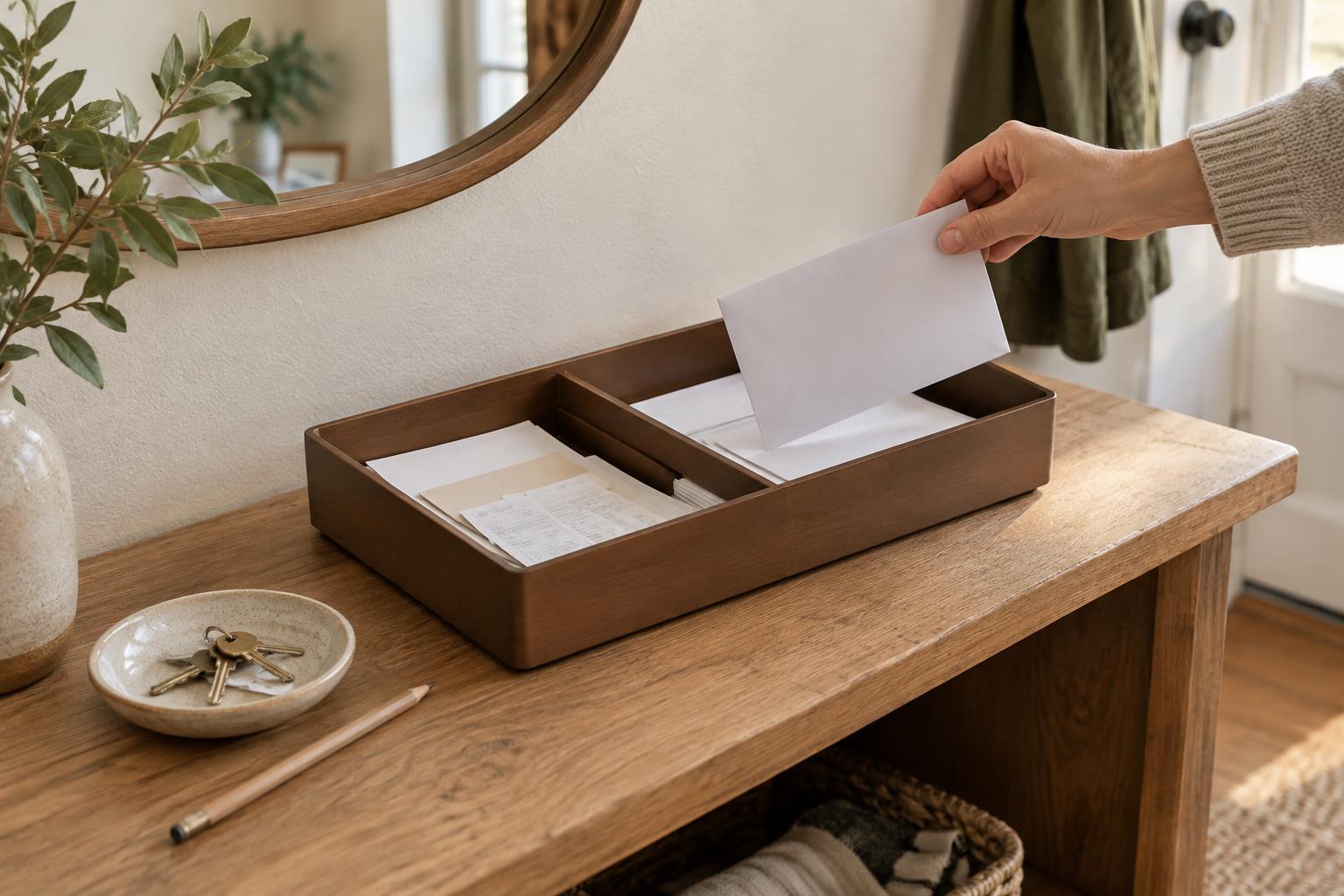
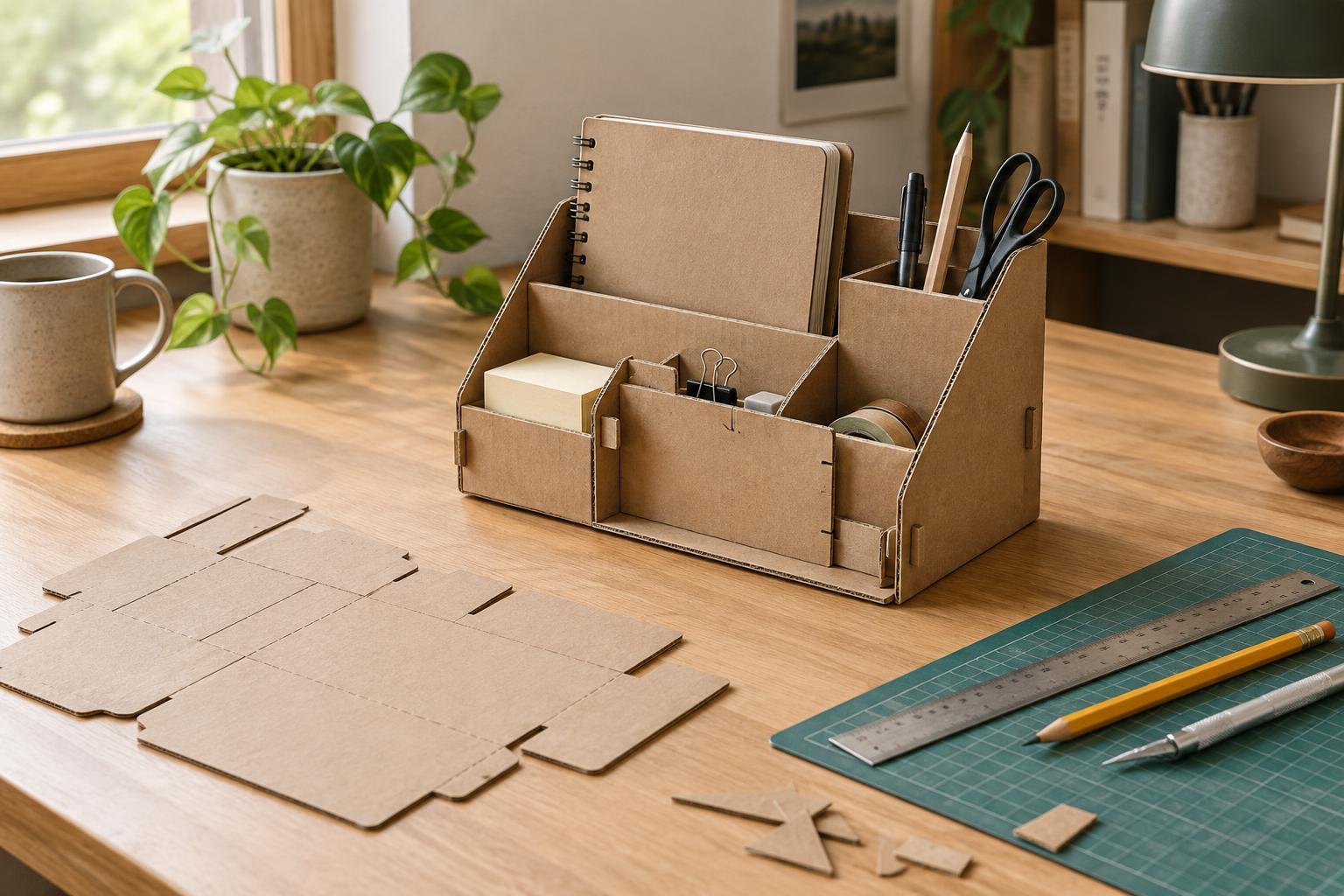
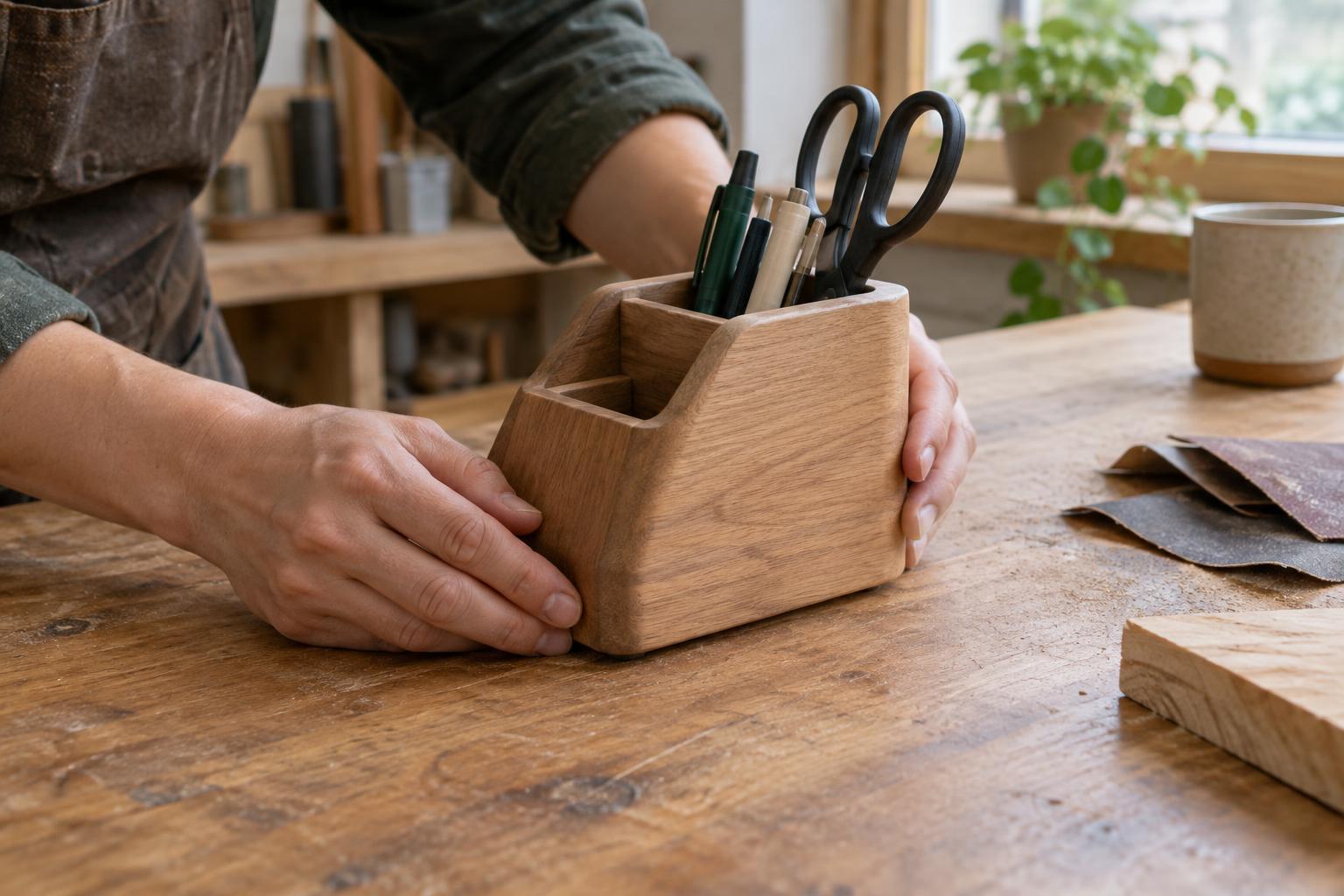
A handmade pen holder, tray, hook, or small stand is best tested against its intended job, not just its appearance. Before changing anything, write down where the object will live, who will handle it, what it will hold, and how often it will move. A tray that stays on a shelf faces different demands from one carried between rooms. This short description gives you a useful test plan: the object should work in the place and manner you expect to use it.
Pick a few everyday actions to observe. For a pen holder, that might mean adding and removing pens, reaching past it, and placing it near the edge of a desk. For a box, try opening it, lifting it when full, and setting it down on its usual surface. Begin with ordinary contents rather than an extreme load. If failure could cause injury or significant damage, such as with an object meant to support a person or hold a heavy item overhead, do not treat a home test as proof of safety.
Check stability in the real setting
Place the object on the surfaces it is likely to meet. A piece that sits firmly on a workbench may rock on a desk with a slight unevenness. Look at it from several angles and press gently where a hand would normally make contact. Notice whether a base lifts, a joint flexes, or the object slides. Test it both empty and with its usual contents; added weight can improve stability in one position while making a tall object easier to tip in another.
If it wobbles, try to identify the cause before adding material. Are the feet uneven, is the base too narrow, or is the weight concentrated high above it? Move the contents around and repeat the action that revealed the problem. Small, focused changes are easier to judge than a complete rebuild. Sanding a high spot, widening a base, or relocating a handle may help, but each change deserves another test on the same surface.
Let comfort emerge through use
Comfort is difficult to judge from a single touch. Hold, carry, open, or adjust the object several times in the way you normally would. Pay attention to where your fingers land without being guided. A handle may have plenty of space yet press sharply into one finger; a lid may be easy to open once but awkward when your hands are occupied. Ask someone else to try the object without explaining your preferred grip, then watch where they hesitate.
Check the points of contact as well as the main shape. Corners, seams, exposed fasteners, rough finishes, and handles that pinch can turn a useful design into one people avoid. If a surface will be cleaned often, see whether it is easy to reach and wipe. Make one adjustment at a time—rounding an edge or changing a grip position, for example—so you can tell whether the revision actually helps.
Repeat the ordinary actions
An object that works once may behave differently after routine handling. Choose a modest set of actions that reflects its purpose: lift and set down a tray, open and close a box, or place and remove an item from a stand. Repeat them over several sessions rather than rushing through a long sequence at once. Between sessions, inspect joints, folds, coatings, and contact points for loosening, wear, or changes in fit.
Keep brief notes about what you did and what changed. A photograph taken from the same angle can make a widening gap or shifting joint easier to notice. If you find damage, stop and work out whether it comes from the material, the connection, or the way the object is being used. Repair or redesign that weak point, then repeat the relevant test. For objects exposed to moisture or frequent cleaning, include those normal conditions in your checks, using methods appropriate to the materials.
Decide what to change—and when to stop
Testing is most useful when it leads to a clear decision. Sort your observations into problems that affect use, problems that may worsen with repetition, and purely cosmetic details. Address instability, sharp contact points, and weakening joints before refining the finish. If a revision solves one issue but creates another—for instance, a wider base makes the object awkward to pick up—compare the trade-off against the original job you defined.
A handmade object does not need to survive every imaginable situation. It does need to perform its intended task predictably, feel reasonable to handle, and show no concerning changes during ordinary use. Once it does, put it into service and keep noticing how it behaves. Everyday use is not a replacement for careful testing, but it can reveal small improvements worth making in the next version.