Start with use, not appearance
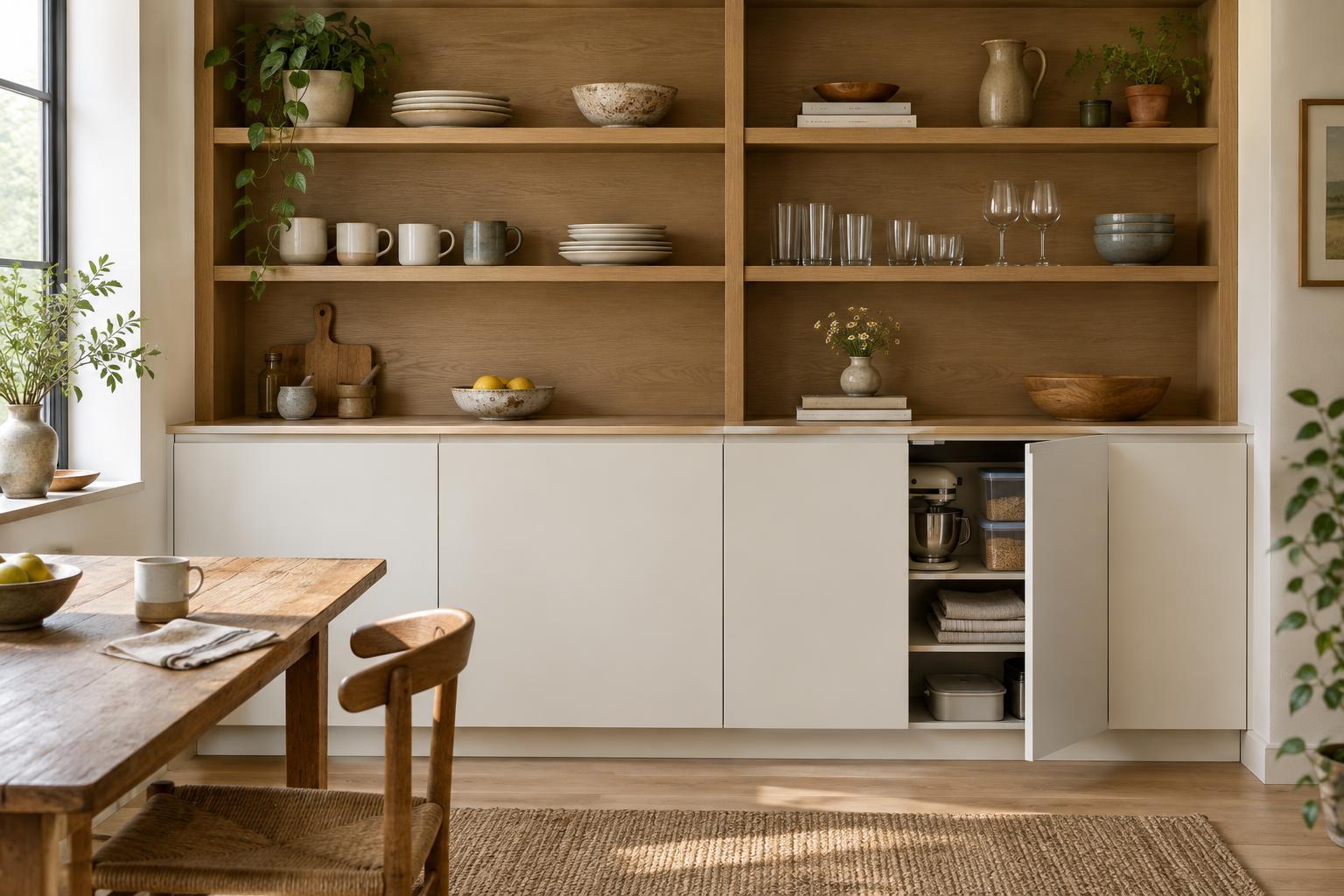
Open shelves and closed cabinets solve different problems. A shelf lets you see and reach an object without opening anything. A cabinet contains objects you would rather not look at all day and gives them some protection from dust and splashes. Neither is automatically the tidier choice: an overfilled shelf looks crowded, while an overfilled cabinet makes it hard to find what you need.
Before moving anything, notice when and where you use it. An object used several times a day benefits from being close to the task it supports. Something used only occasionally can live farther away or behind a door. The goal is not to display everything attractive or hide everything plain. It is to make the easiest storage choice the one you will actually use.
Give open shelves a clear job
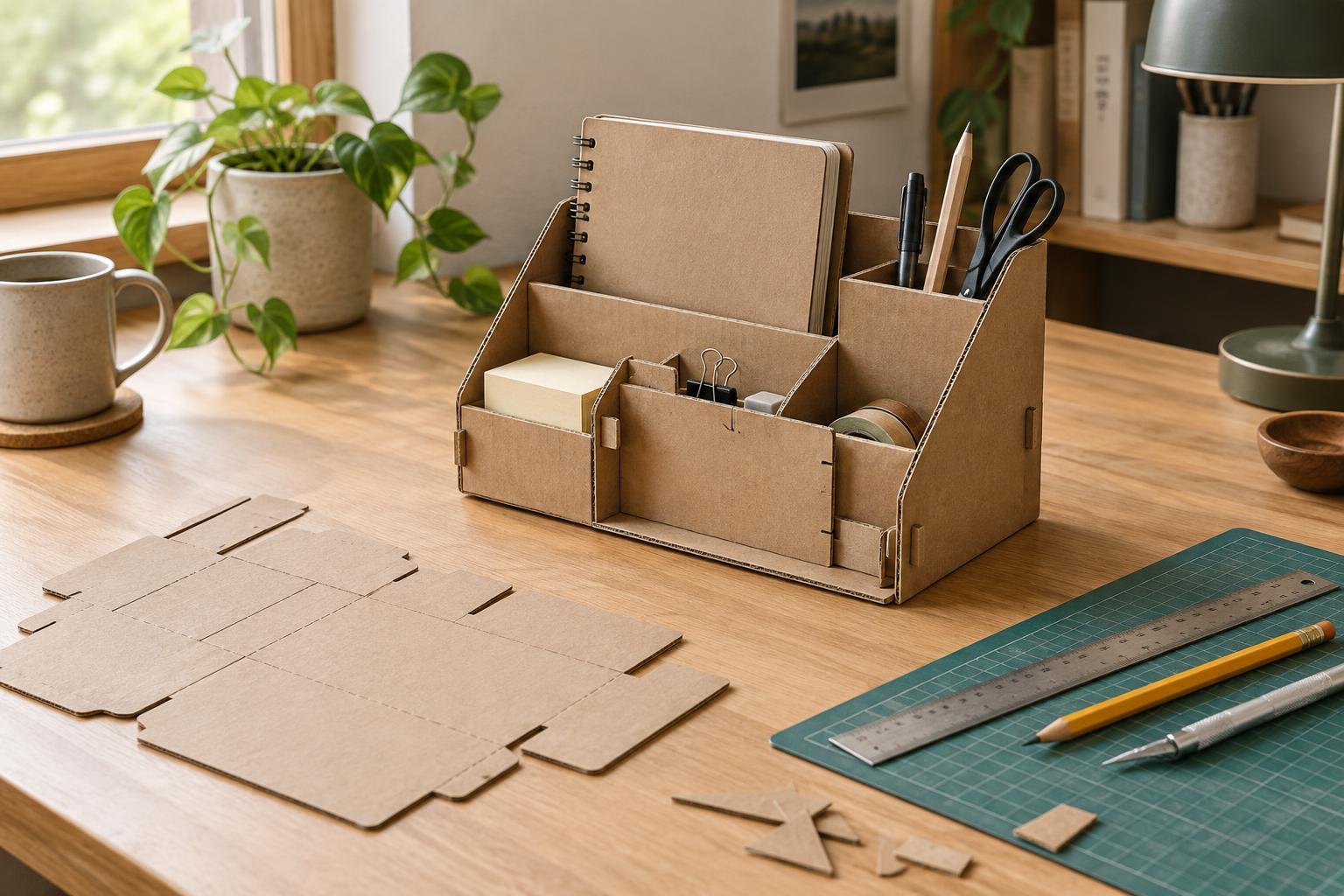
Open shelves work best for a small, deliberate group of frequently used things. In a kitchen, that might mean everyday glasses near the sink or bowls near the place where meals are served. At a desk, it might mean a notebook, a reference book and a tray for the tools you reach for often. Keeping related objects together makes a shelf easier to scan and easier to put back in order.
Visibility comes with upkeep. Dust settles on exposed surfaces, and cooking areas can leave a film on objects that sit untouched. Reserve open space for things you handle or clean often, or for a few items you genuinely enjoy seeing. Leave enough room to lift each object without disturbing its neighbors. If taking one thing down feels like dismantling a display, the shelf is doing too much.
Use cabinets for protection and visual quiet
Closed cabinets suit supplies with mixed packaging, spare parts, cleaning tools and other items that do not need to be on view. They can also be a better home for objects used infrequently or those you want to keep away from everyday dust. A door reduces visual noise, but it does not organize the space behind it. Group contents by purpose and give small items a tray, box or divider so they do not drift to the back.
Match cabinet position to the weight and frequency of use. Heavy appliances and bulky containers are generally easier to handle from lower storage; light, rarely used items can go higher. Keep the things you use most near the front. If a cabinet is difficult to open or requires moving several objects before you can reach one, consider whether that item belongs in a more accessible spot.
Decide item by item with four questions
For anything without an obvious home, ask: How often do I use it? Does it collect dust or need protection? Is it easy to put away? Do I want to see it between uses? A frequently used object that is simple to clean is a good candidate for a shelf. A delicate, seldom-used or visually busy object is more likely to earn cabinet space. There is no universal answer for mugs, books or pantry goods; the right place depends on your habits and the room.
Consider containers before buying more storage. A shallow tray can give small shelf objects a defined boundary, while a bin can stop loose cabinet contents from spreading. Avoid containers that add unnecessary steps: a lid, a door and a stacked box can turn one quick action into several. Try an arrangement using what you already own, then see which items repeatedly end up out of place.
Make room for a mixed approach
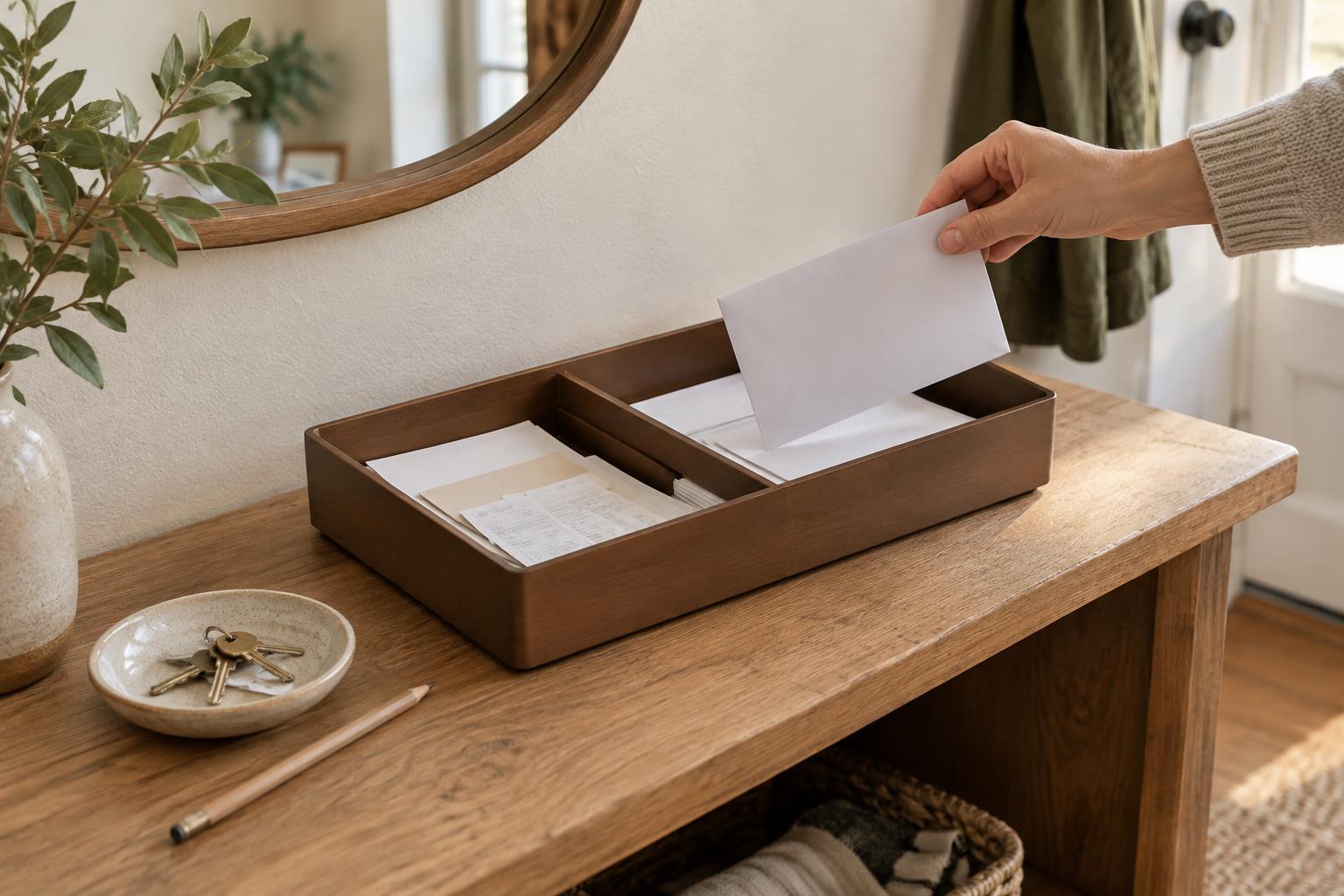
Many rooms work better with both kinds of storage. An open shelf can hold the current rotation of everyday objects, while a nearby cabinet holds backups and occasional tools. In an entryway, a small open landing place may serve keys and bags, with closed storage for seasonal accessories. In a living room, a few visible books can sit above doors that conceal cables, games or supplies.
Treat the arrangement as something you can revise. If a shelf needs constant dusting, move its least-used contents behind a door. If you regularly leave a cabinet item on the counter, give it a reachable home. The most useful division is not between beautiful and unattractive objects; it is between what helps to have in sight and what is easier to live with out of sight.