Start with the job, not the feature list
A long feature list can make a desk lamp, storage box or kitchen tool look more capable. But capability is not the same as usefulness. A feature earns its place when it helps someone complete a task they actually have, with less effort or a better result. If it mainly gives the maker another point to advertise, it may be adding complexity rather than value.
Before comparing products, describe the job in an ordinary sentence: “I need light on my desk without glare,” or “I need to find small parts quickly.” Then name the conditions that matter, such as limited space, one-handed use or easy cleaning. This gives each feature a purpose to answer to. A lamp that remembers several lighting presets may be useful if different people share a desk; for one person who always uses the same setting, a simple dimmer may do the job better.
Look for costs beyond the price
An extra feature can ask for attention every time you use a product. More buttons may mean more decisions before a basic action. Modes hidden behind repeated taps can be difficult to recall. A setting that resets unexpectedly can turn a shortcut into another task. These small interruptions matter most on objects used often, because the effort repeats.
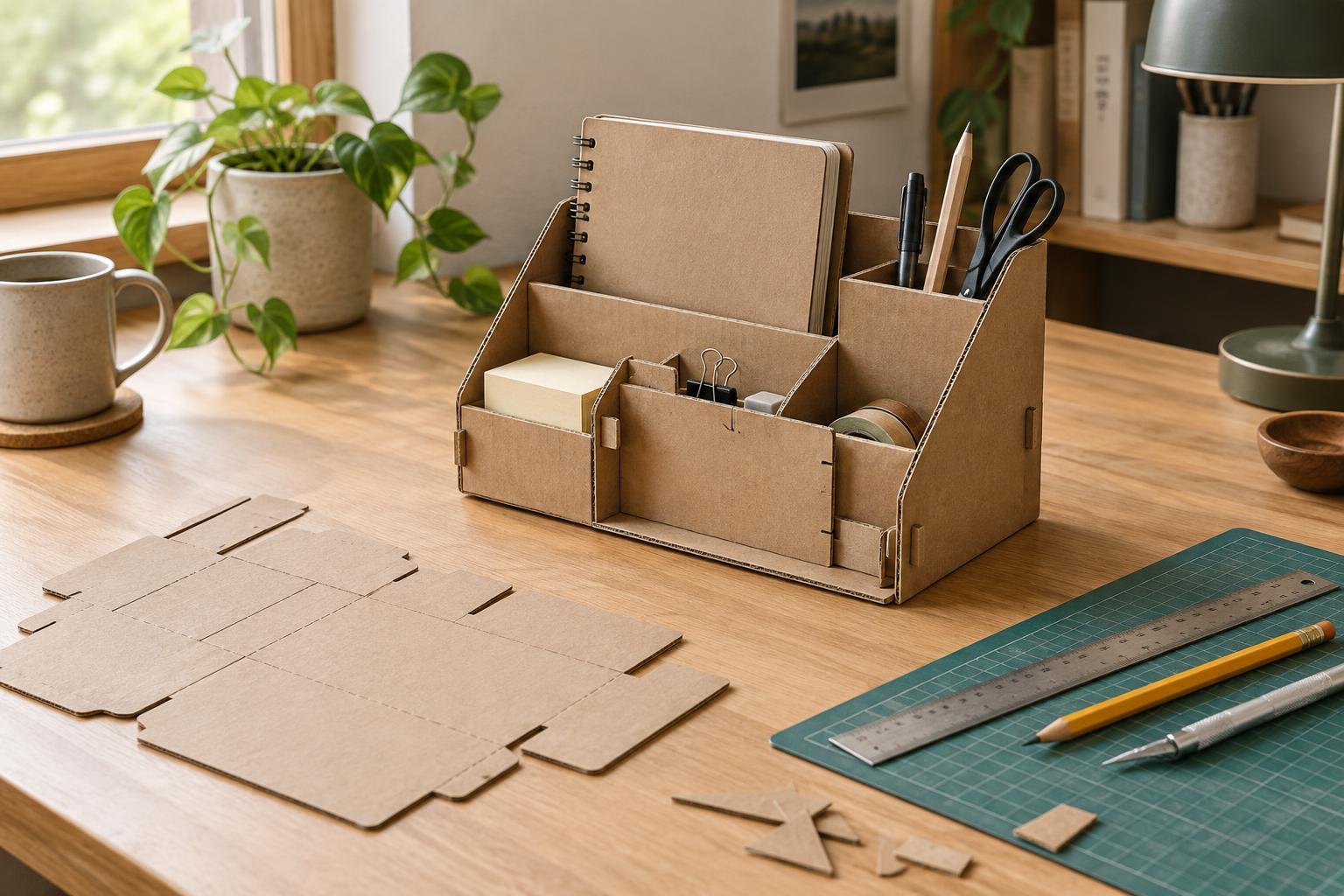
Features can also change the physical object. A built-in display may need power and take up space. A folding mechanism can introduce joints that need cleaning or careful handling. A multipurpose organizer may offer many compartments but fit none of your actual supplies well. None of these trade-offs automatically makes a feature bad; they are reasons to ask what you gain in return.
Consider upkeep, too. Does the feature require charging, replacement parts, an app or a particular cleaning method? The answer does not have to be “no.” It should be a cost you are willing to accept for a benefit you expect to use.
Try the ordinary task first
A useful test is to ignore the most distinctive feature and try the product’s basic job. Can you turn the lamp on and aim it without studying the controls? Can you open the container, see what is inside and put it away comfortably? If the primary action is awkward, extra functions are unlikely to make the object feel simple in daily use.
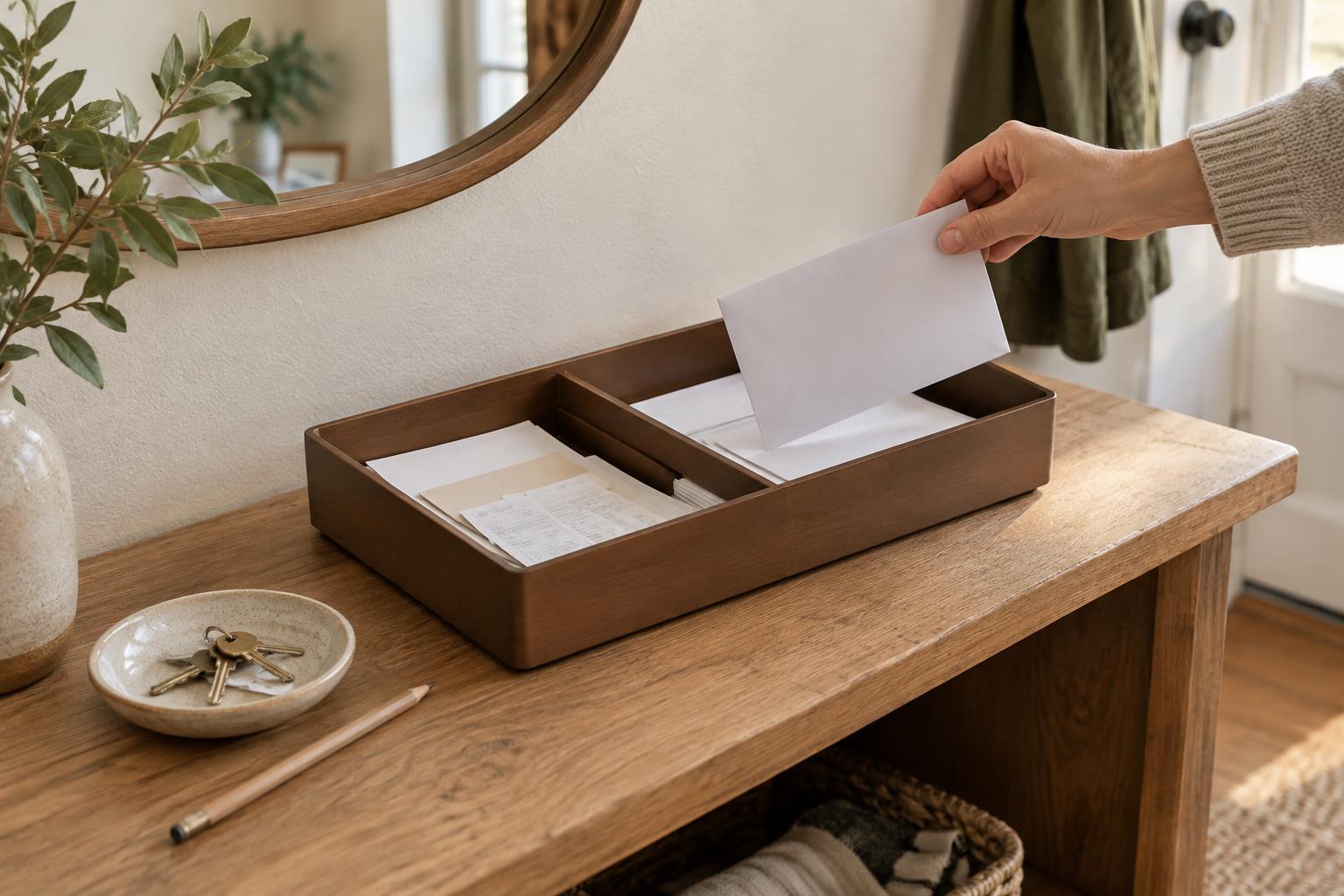
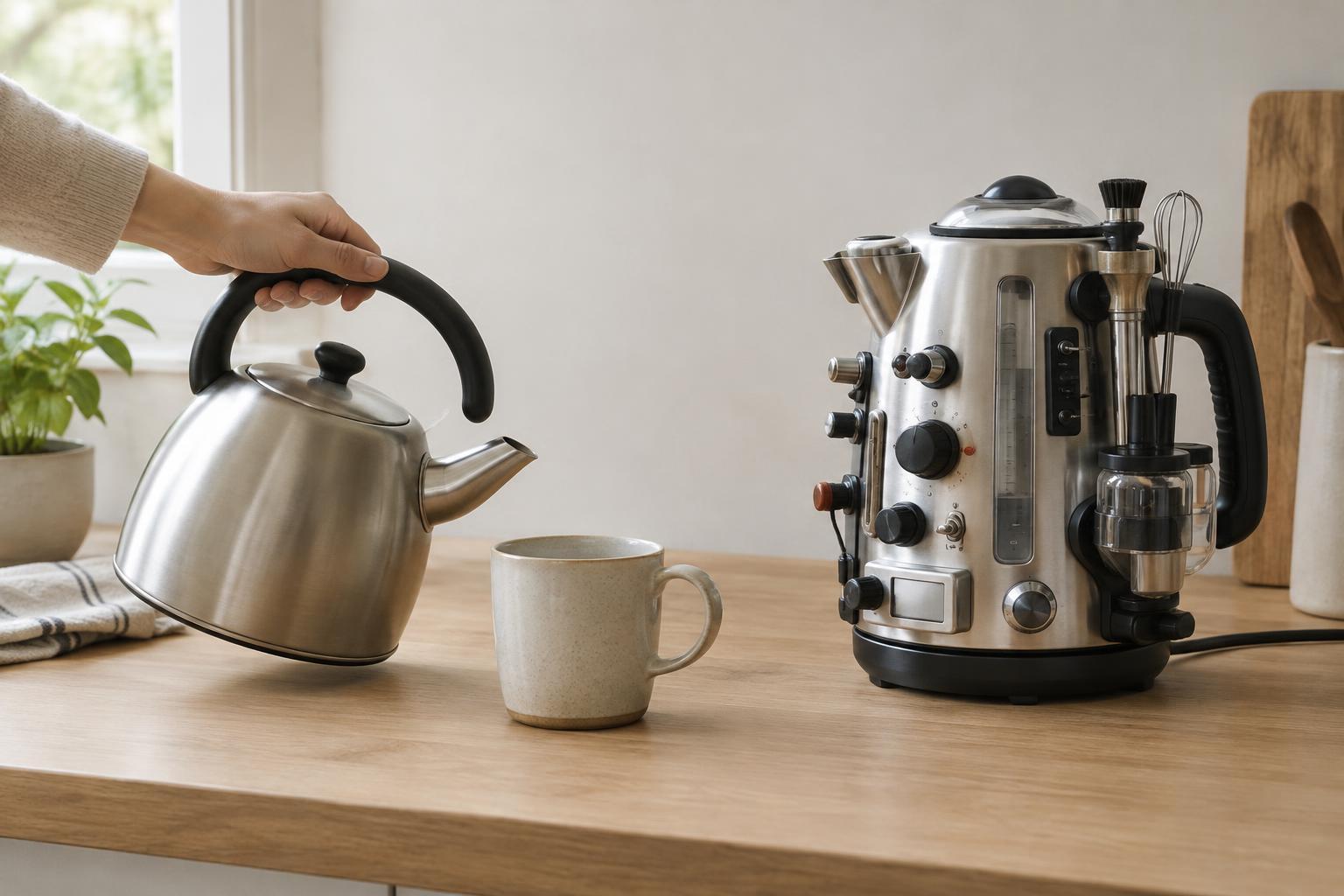
Next, picture a normal week rather than an ideal demonstration. A cable holder that works only when each cord is placed precisely may be less helpful than one with fewer slots that are easy to reach. A kitchen tool with six attachments may suit someone who regularly uses all six, but be cumbersome for someone who needs only one. Ask how often you would use each addition and whether it saves enough time or space to justify storing and managing it.
Finally, test recovery from mistakes. If you select the wrong mode, can you get back easily? If you remove a part for cleaning, is it obvious how it fits again? Good features tend to make both the intended action and the way back clear.
Notice when features compete
Some features are individually appealing but work poorly together. A very compact object may be hard to grip. A storage product with adjustable dividers may offer flexibility while making its interior harder to scan. A tool designed to perform several jobs may compromise the shape or leverage needed for the job you do most. The question is not simply how many functions the product has, but whether they interfere with one another.
Controls deserve the same scrutiny. When several actions share one button, the surface can look tidy while the operation becomes harder to understand. On the other hand, a separate control for every minor adjustment can make the object visually and physically busy. Look for a sensible match between how often an action is needed and how easy it is to find. Frequently used actions should not be buried beneath rarely used ones.
Choose the complexity that serves you
Simplicity is not a rule that every product must have fewer parts. Adjustable height on a desk accessory, for example, can make it useful in more than one setup. A removable insert can make a container easier to clean. Those additions create value when they solve a specific problem without making the main task needlessly difficult.
When deciding between products, make a short list of the features you would miss and a separate list of those you would merely try. Pay close attention to anything that adds a step to the action you perform most. The better choice is often not the object that can do the most, but the one whose useful features remain easy to understand, use and maintain after the novelty wears off.