Stability is about use, not just appearance
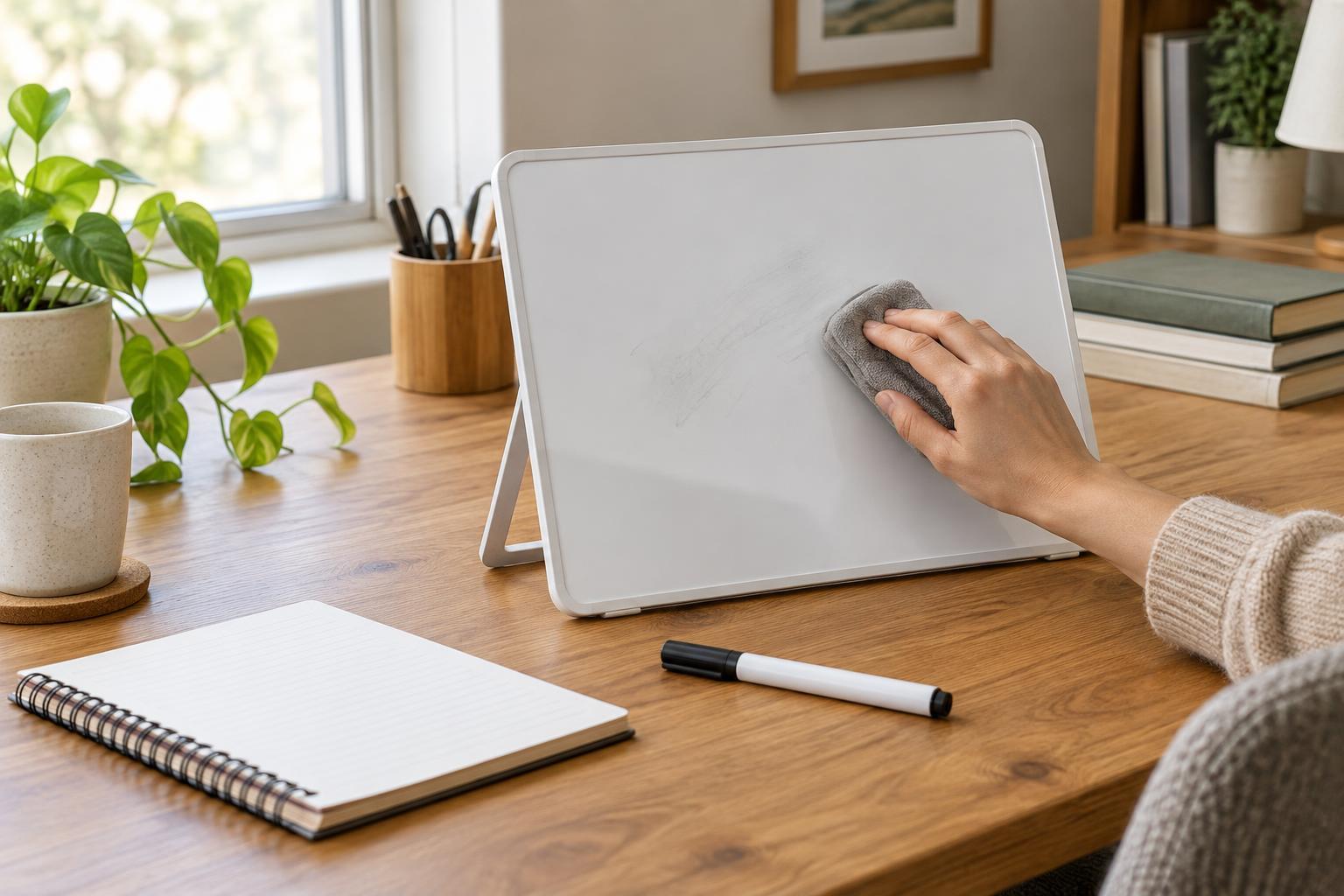
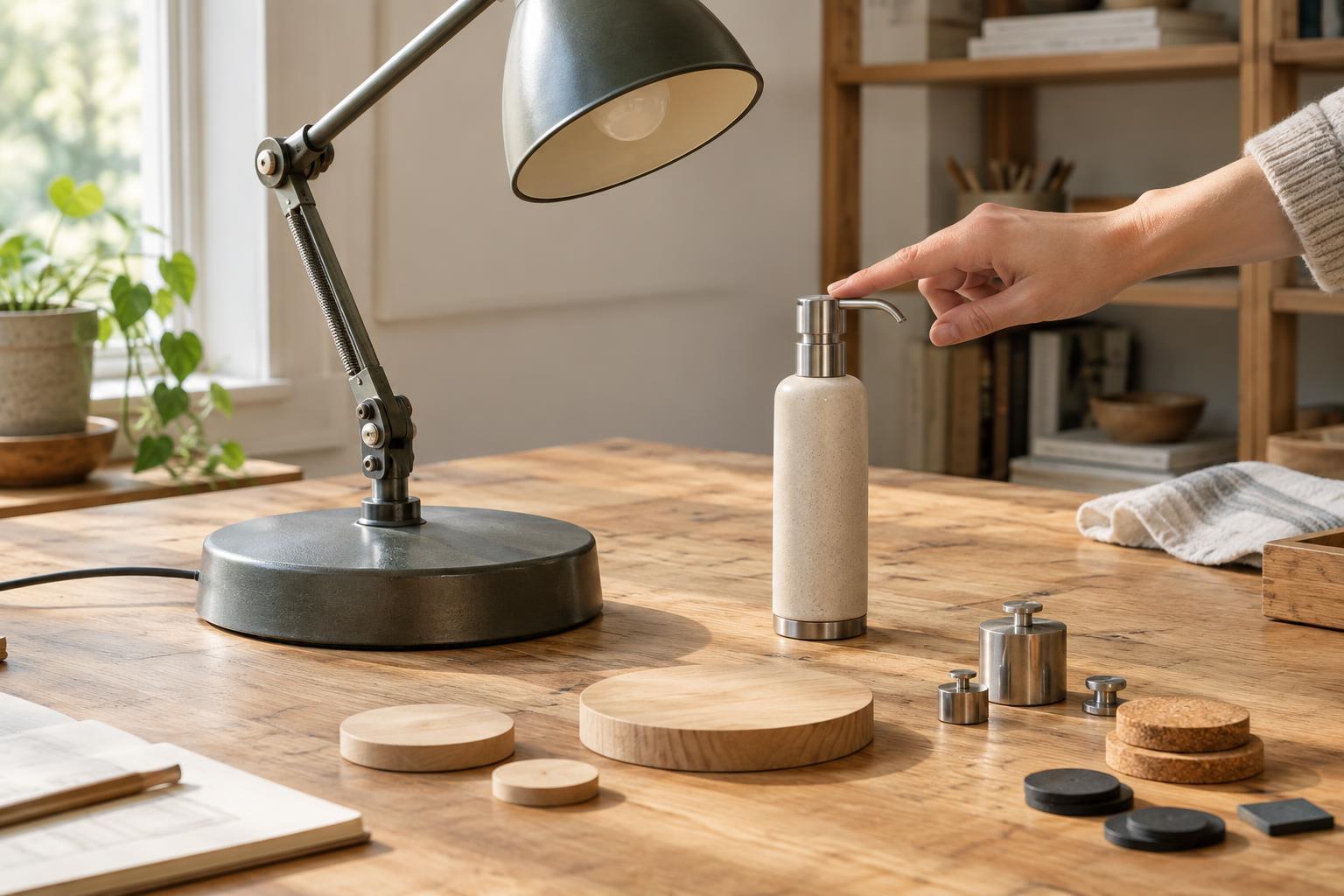
A product can stand perfectly well on a shelf and still tip during its intended use. Pressing a pump, pulling a sheet from a dispenser, or adjusting a lamp introduces a force that a static display never reveals. Stability is therefore not simply a question of whether an object can stand upright. It is a question of whether it stays upright while people do what the object invites them to do.
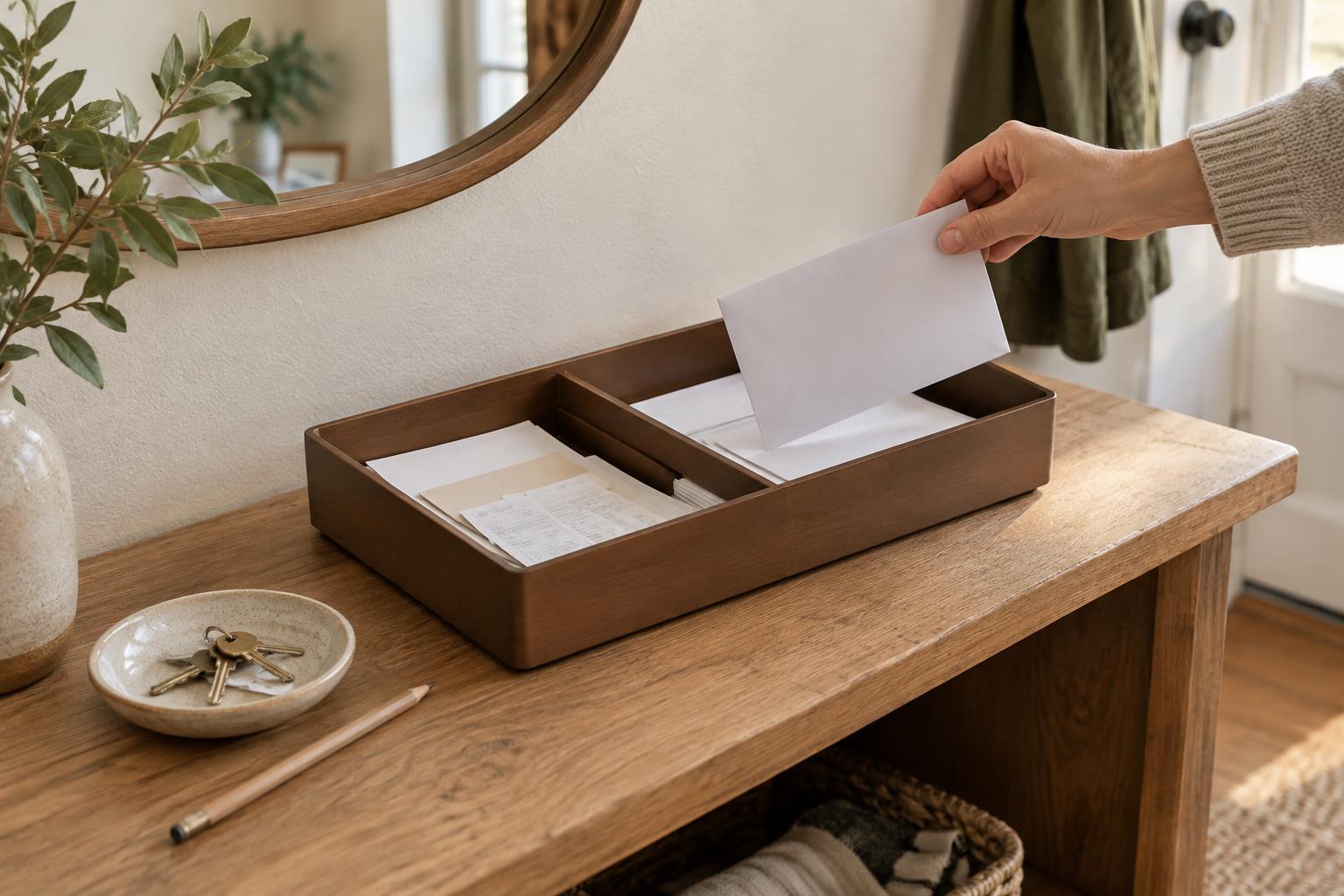
Consider where a person will touch the product and in which direction they are likely to push or pull. A tall container with a narrow base may be fine when lifted from above, but less dependable when someone presses a control near its top. An organizer may hold its contents securely until a heavy item is removed from one side. Looking at these ordinary actions early can prevent a design from relying on careful handling.
Give the base room to resist tipping
An object begins to tip when it pivots over an edge of its contact area. A wider base generally gives it more room to resist that motion. The useful dimension is not the overall width of a decorative shape, but the distance between the points that actually touch the surface. A broad-looking tray balanced on a few closely spaced feet may have a surprisingly small effective footprint.
Shape matters as well as size. If a product is mainly pushed forward and backward, extending the base in those directions may help more than adding width elsewhere. A dispenser used from one side can benefit from a base that accounts for the direction of the pressing force. The goal is not to make every object oversized. It is to place support where predictable actions need it while keeping the object practical to store, move, and clean.
Place weight where it helps
Weight low in an object generally makes it harder to tip than the same weight placed high up. A lamp with a heavy shade and a light base, for example, may feel less secure than its total weight suggests. Likewise, a countertop holder can become less stable as tall contents are added, even though it becomes heavier overall.
Adding weight is not always the best fix. A heavy base can make a portable product awkward to carry, and an unevenly weighted object may be uncomfortable to lift. Before adding material, consider whether an existing component can sit lower or closer to the center of the base. Think through how the weight distribution changes as the product is filled, emptied, extended, or adjusted. The least stable condition may occur halfway through use rather than when the product is new or full.
Account for the surface underneath
The surface an object rests on affects how it behaves. A rigid base may rock on an uneven countertop if only a few points make contact. Soft feet can accommodate small irregularities, but feet of inconsistent height can create a wobble of their own. On a smooth surface, an object might slide when pushed; that movement can be annoying even if it never tips.
Grip and stability are related but not interchangeable. A grippy foot may stop sliding while a narrow, top-heavy product remains easy to overturn. Conversely, a stable shape may still creep across a desk during repeated use. Choose contact materials with the likely setting in mind, and check that feet do not detach easily or obstruct cleaning. A solution that works on one ideal tabletop should also be tried on the ordinary surfaces where the object is likely to live.
Test ordinary mistakes, not just ideal handling
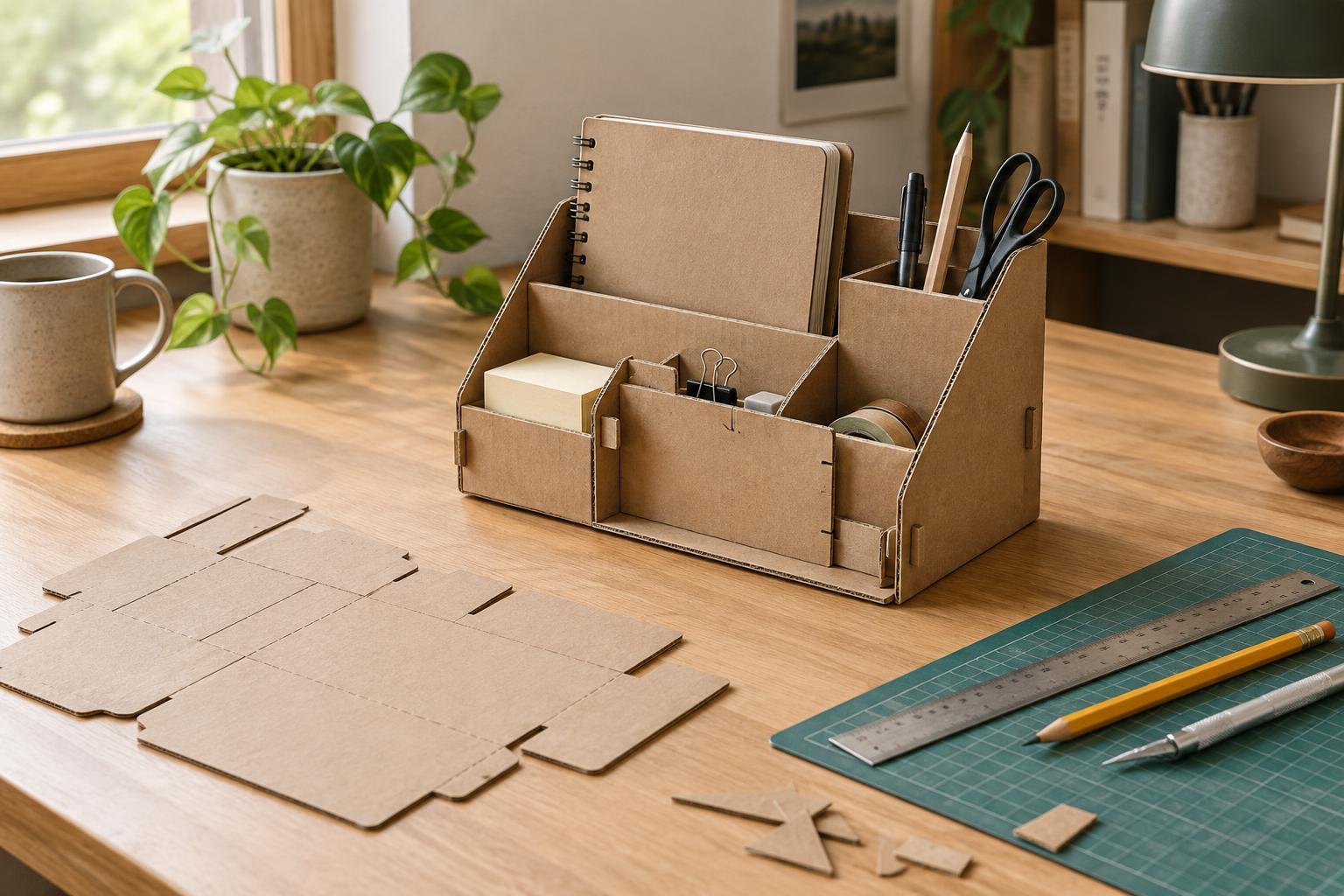
A simple mock-up can reveal stability problems before the final form is settled. Give it roughly the intended height, base size, and weight placement, then try the actions people will perform: press, pull, turn, load, and unload. Apply these actions at the points a user would naturally reach, not only at the points that make the product look good in a demonstration.
Also try slightly imperfect conditions. Place the object near the edge of a work surface, operate it from an angle, or remove items in an unexpected order. The purpose is not to guarantee that it can never tip. It is to find common situations in which its behavior becomes frustrating or surprising. If the mock-up moves, note whether it slides, rocks, or pivots. Each behavior suggests a different adjustment: contact material for sliding, more even support for rocking, or a better footprint and weight distribution for tipping.