A dimension is a target, not a guarantee
Imagine a storage box with a lid designed to sit neatly inside its rim. The drawing might give the opening one width and the lid a slightly smaller one. Real parts, however, rarely come out at precisely their stated dimensions. A cutting tool can wear, a mold can produce subtly different results as conditions change, and a piece of wood can shift with humidity. A manufacturing tolerance defines how far a feature may vary from its target size and still be accepted.
That allowed variation matters most where parts meet. A lid at the large end of its permitted range may be paired with a box opening at the small end of its range. Each part could pass inspection on its own while the assembled box feels too tight. The opposite pairing might leave a visible gap. Tolerances are therefore not just numbers for a factory drawing; they shape how a product looks, sounds and feels in someone’s hands.
The right fit depends on what the joint must do
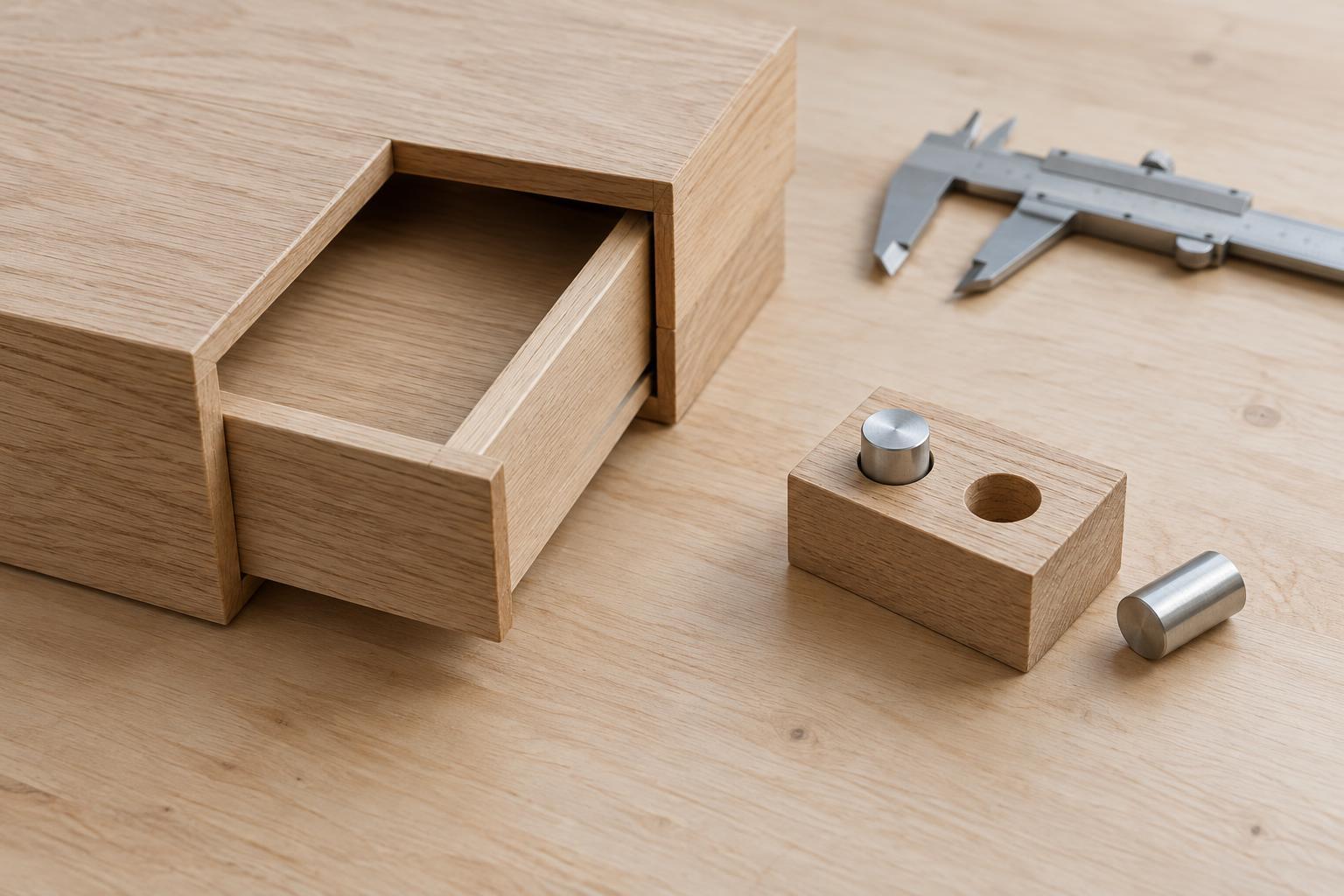
Parts that need to move usually require clearance: space between their mating surfaces. A sliding tray, for example, needs enough room to travel without binding. Too much room can let it tilt or rattle. Parts meant to stay together may instead use a tight fit, sometimes with one part pressing against another. That can work well for a permanent or semi-permanent assembly, but excess tightness can make assembly difficult or damage a part.
The goal is not to make every gap as small as possible. A pencil cup with a removable insert benefits from a different fit than a wheel turning on an axle. Designers can begin by asking what a person should be able to do: slide, lift, twist, snap together or take apart for cleaning. Those actions help determine which dimensions need close control and where a little extra space would improve reliability.
Small variations can add up
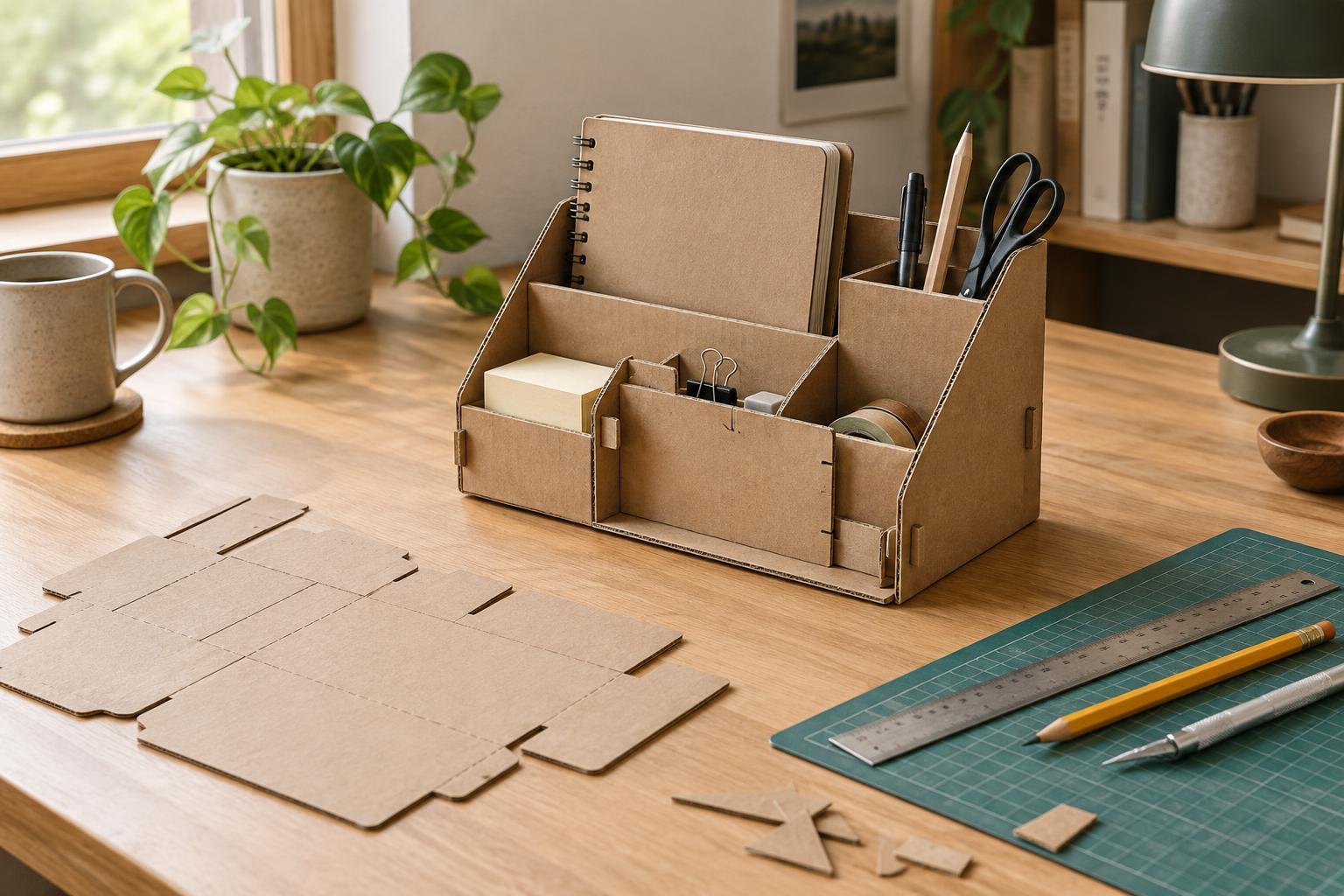
A product often contains more than one critical contact. Picture a desk organizer with a drawer inside a frame. The drawer’s width, the thickness and position of the frame walls, and the alignment of its runners all affect the finished fit. Even if every feature is within its own tolerance, their combined variation can push the drawer off-center. Designers call this a tolerance stack-up.
A useful way to think through a stack-up is to follow the path between two surfaces that must meet. List each dimension along that path, then consider what happens when the relevant dimensions vary in the least favorable direction. This does not mean every finished item will reach that extreme. It reveals where a design may be vulnerable. Sometimes one carefully controlled surface is more valuable than demanding unusually tight tolerances across the whole product.
Materials and processes change the picture
A tolerance that works for one material or process may not suit another. Wood can change size as it gains or loses moisture. Plastics may shrink as they cool after molding and can flex when assembled. Sheet metal can spring back after bending. These behaviors do not make a material unreliable; they mean the fit should be designed around the way the material is made and used.
The direction of variation matters, too. A slight change in the thickness of a panel may be harmless, while a similar change in the width of a slot could stop assembly. Features that guide parts into place, such as a chamfered edge or a tapered lead-in, can make a product less sensitive to small differences. Flexible clips can also accommodate some variation, provided they remain easy to use and are not strained beyond what the material can handle.
Design for the whole experience, not a perfect sample
Prototypes are valuable because they turn dimensions into a physical experience, but a single successful fit is not proof that every production pair will behave the same way. Testing parts made at different points in a process, or deliberately trying slightly larger and smaller samples, can expose binding, looseness and awkward assembly. It is also worth checking how a product behaves after repeated use and under the conditions in which it will normally live.
Good tolerance choices balance function, appearance and ease of manufacture. Holding a dimension more tightly may require additional care or processing, so precision is best spent where it makes a noticeable difference. When designers allow for realistic variation from the start, a lid can close smoothly, a drawer can glide and parts can be assembled without persuasion. Those quiet successes are part of what makes an everyday object feel well considered.