Organizing before deciding what belongs
Buying containers can feel like a productive first step, but a container does not answer the most important question: does this object need a place here? When everything goes straight into a basket or drawer, rarely used items compete with things needed every day. The space may look calmer while the useful objects become harder to find.
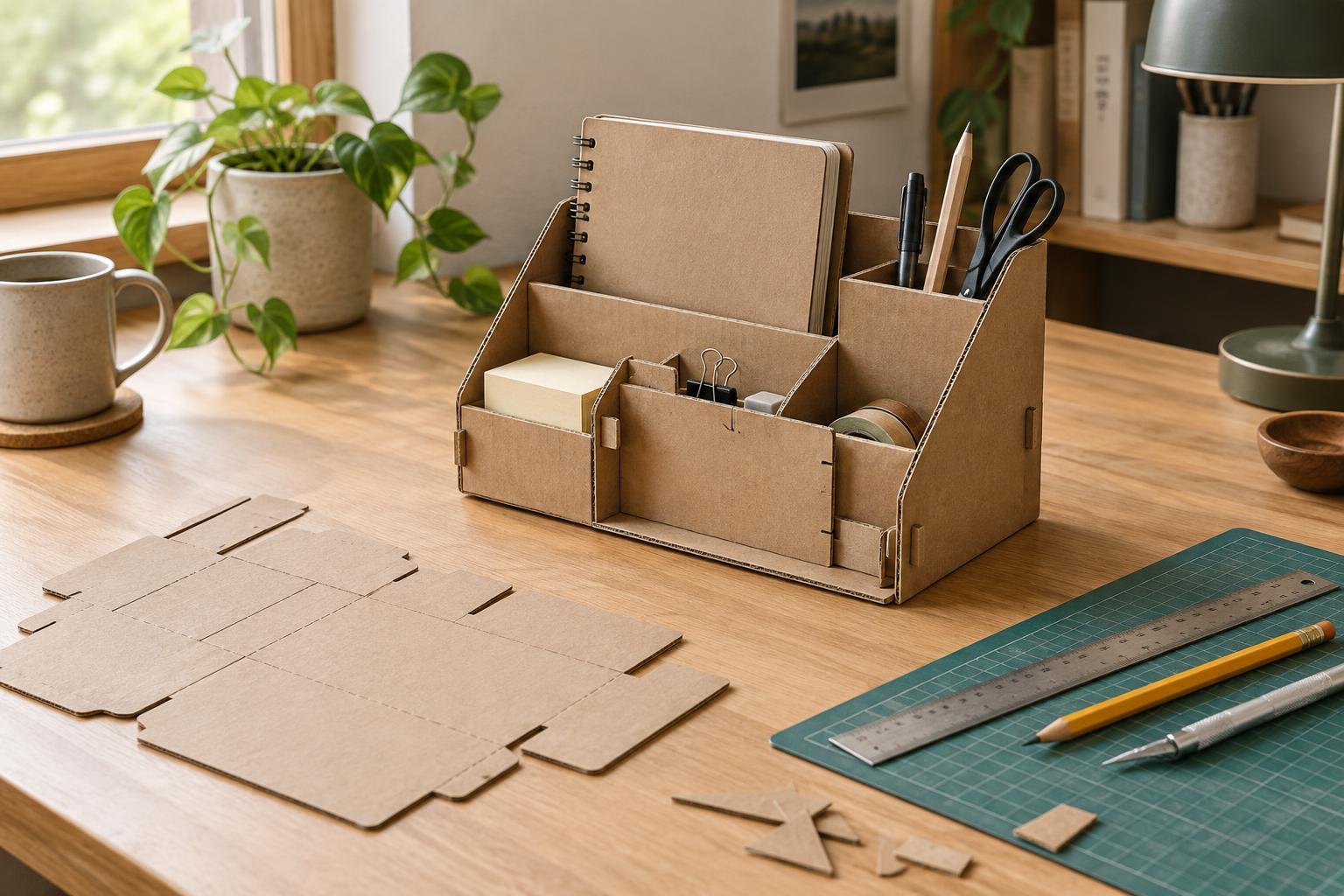
Start with one small area and separate its contents by purpose. Keep the items used in that area close at hand; move occasional-use items to a less accessible spot. Set aside anything that no longer serves a purpose for you. Only then measure the remaining items and choose storage that fits them. An empty section of a shelf is not wasted space: it makes putting things away less fussy.
Giving objects a home far from where they are used
A storage system can be perfectly logical on paper and still fail in daily life. If keys belong in a bedroom drawer but are usually dropped by the door, the drawer asks for an extra trip every time someone comes home. A pile by the entrance is then a predictable result, not a failure of discipline.
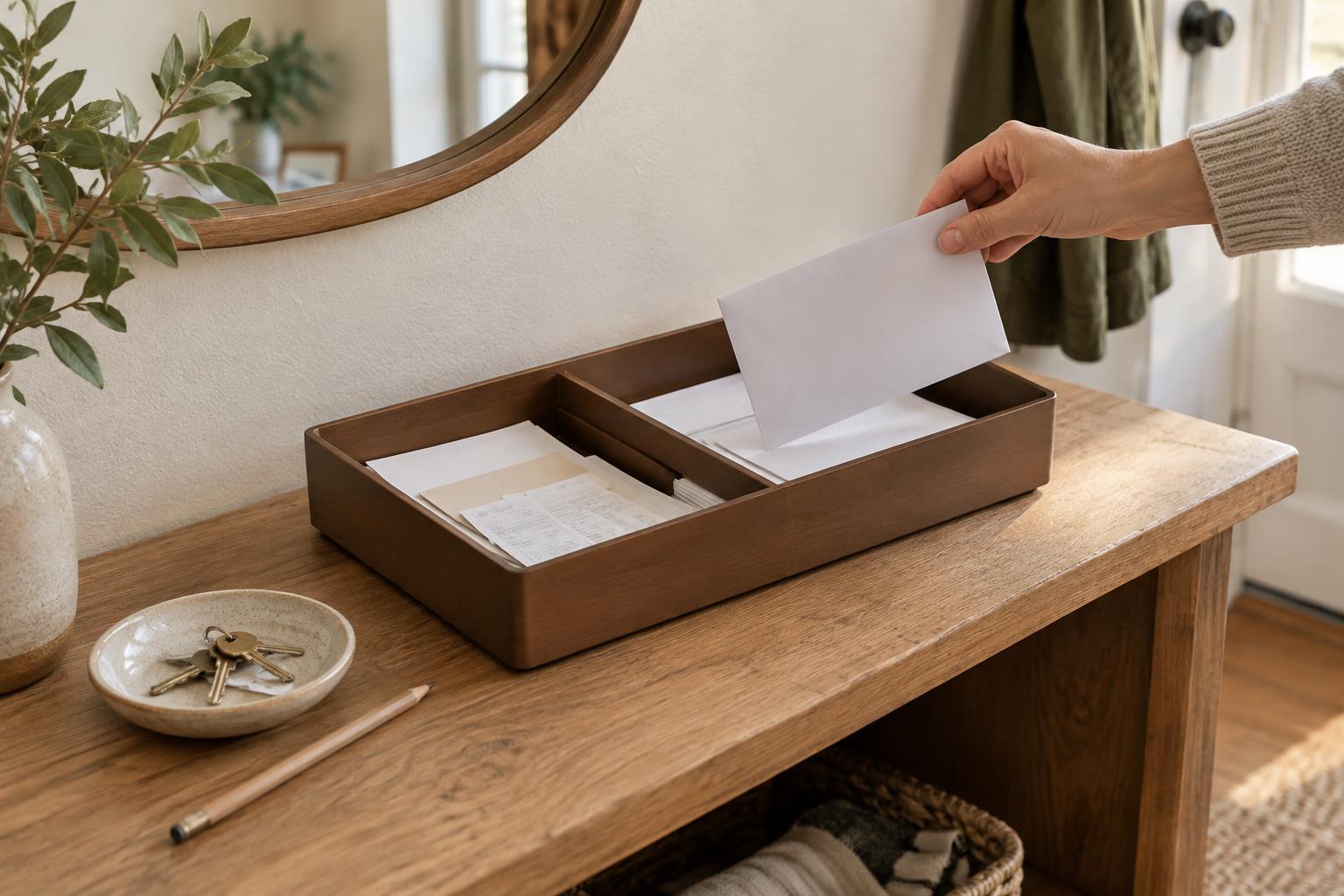
Notice where objects naturally stop moving. A tray near the door might catch keys and sunglasses; a small container beside a favorite chair might hold a remote and charging cable. The aim is not to put storage everywhere. It is to give frequently used objects a clear landing place near the point where they are picked up or set down. Leave enough room to use that place without shifting other things first.
Making storage too full or too complicated
Tightly packed shelves photograph well, but they can be awkward to maintain. When removing one item disturbs several others, returning it takes more effort than leaving it out. The same is true of elaborate systems with too many categories: a household may not consistently distinguish between several kinds of cables, paperwork or cleaning supplies.
Make the action of putting something away as simple as possible. Use broad categories when fine distinctions do not help you retrieve an item. Keep the things you reach for most at a comfortable height and toward the front. Drawers and bins need a little working space so their contents can be handled, not just squeezed in. If a category repeatedly overflows, check whether it needs a larger home, a simpler grouping or fewer items.
Hiding items without making them findable
Closed cupboards and matching boxes can reduce visual clutter, but they can also make it easy to forget what is inside. This is especially troublesome for items used only now and then. A neatly stacked box may be difficult to open if it sits underneath three others, and a mystery container can attract duplicates because nobody knows what it holds.
Choose visibility according to the job. Open storage can work well for items used daily, provided each has a defined spot. Clear or labeled containers can help with less frequent supplies, while opaque boxes may suit things you do not need to identify at a glance. Labels can be ordinary and specific, such as “spare light bulbs” rather than “household.” Put heavier or seldom-used containers where they can be accessed without dismantling an entire stack.
Designing for a perfect reset instead of a normal day
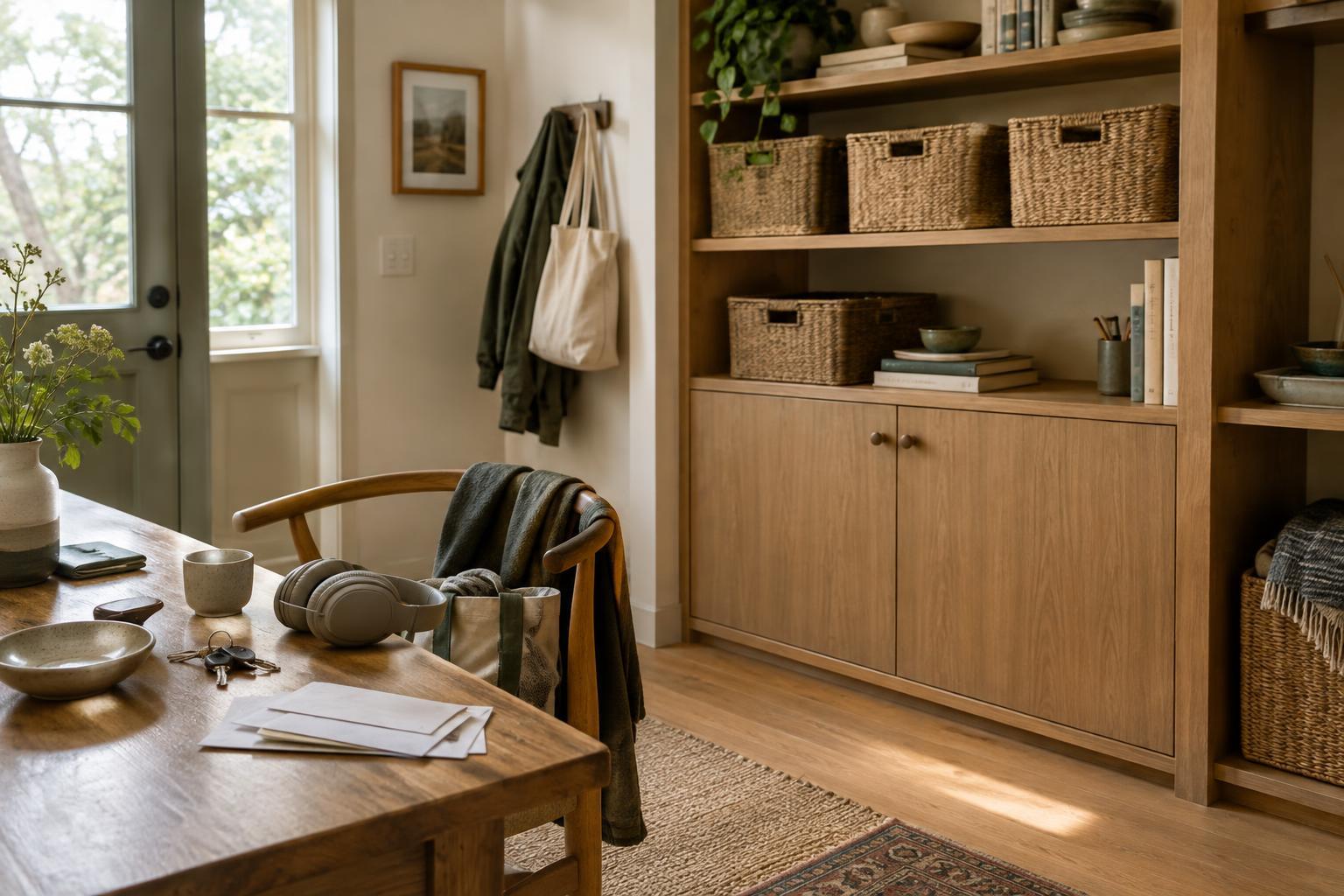
A room often becomes cluttered because its system assumes someone will sort everything immediately. Mail arrives, laundry dries, a project pauses and items need a temporary place before the next step. Without one, they spread across tables and floors. Permanent storage alone cannot handle these in-between moments.
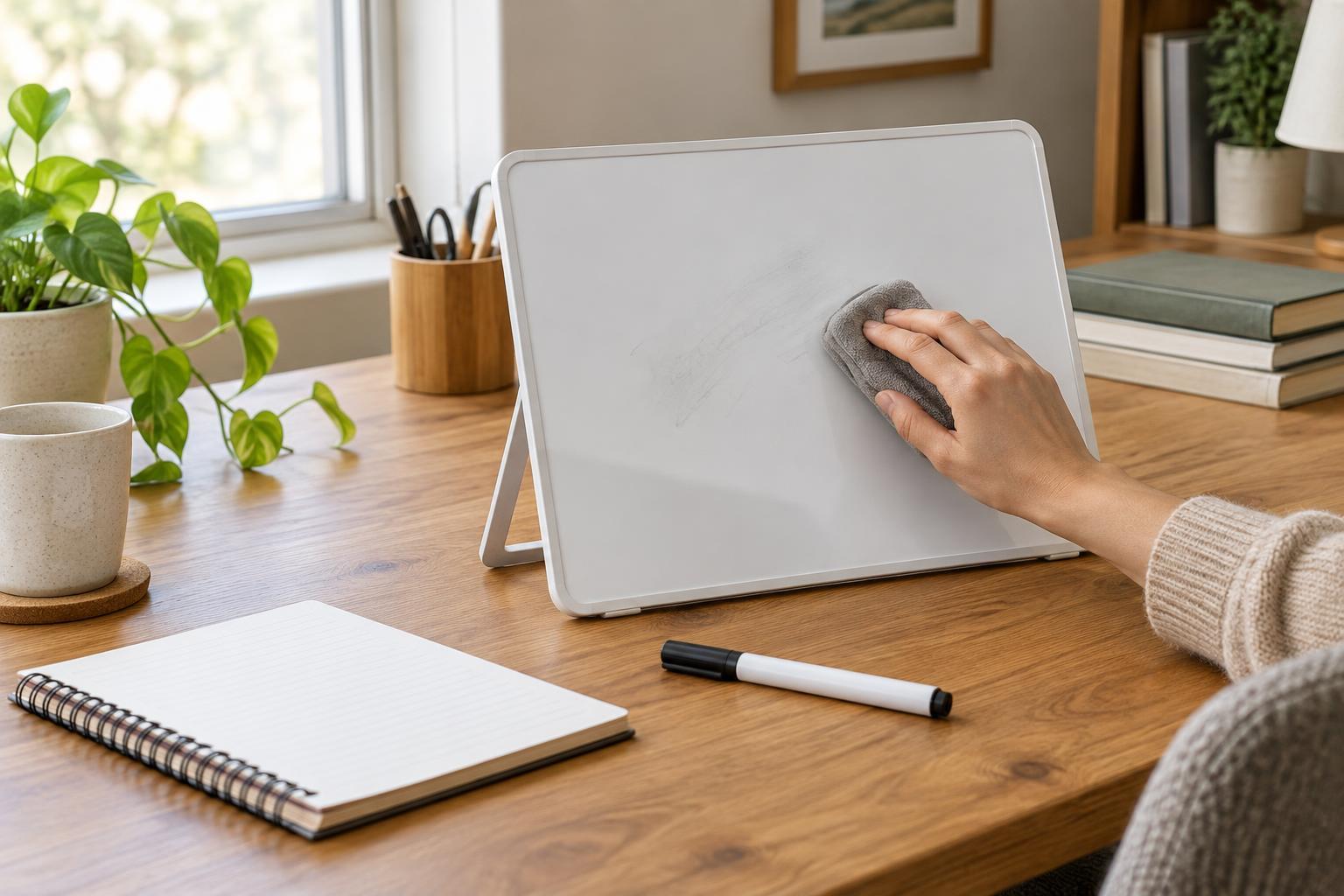
Give recurring transitions a modest, defined space: an inbox for papers awaiting a decision, a basket for items that need to return to another room, or a clear patch of desk for an active project. Keep these spaces small enough that they prompt action rather than become indefinite storage. A brief, regular reset can then focus on a few known places instead of the whole house. The most durable organization is not the one that looks perfect when finished; it is the one that remains easy to use on an ordinary day.